



AD
Manganese(2+) ethanedioate hydrate (1:1:2)(CAS: 6556-16-7)
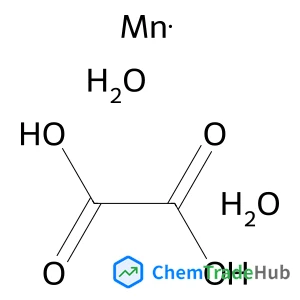
CAS Number
Related Products
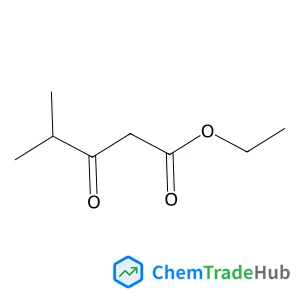
Ethyl 4-methyl-3-oxopentanoate
CAS Number: 7152-15-0
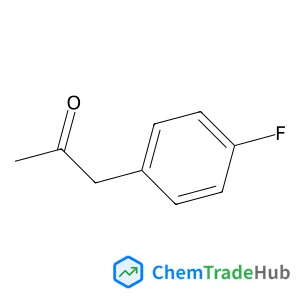
1-(4-Fluorophenyl)acetone
CAS Number: 459-03-0

3-Amino-1,2-propanediol
CAS Number: 616-30-8
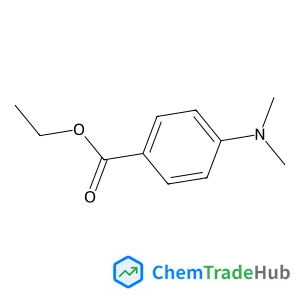
Ethyl 4-(dimethylamino)benzoate
CAS Number: 10287-53-3
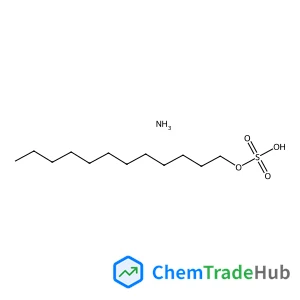
Ammonium dodecyl sulfate
CAS Number: 2235-54-3
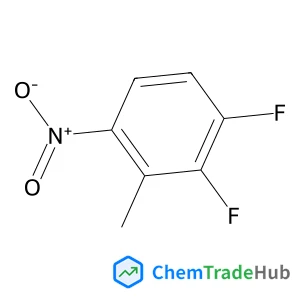
1,2-Difluoro-3-methyl-4-nitrobenzene
CAS Number: 914348-35-9

Abemaciclib Impurity 6
CAS Number: 67567-26-4
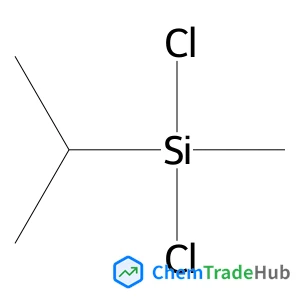
Dichloro(isopropyl)methylsilane
CAS Number: 18236-89-0
Other Suppliers for Manganese(2+) ethanedioate hydrate (1:1:2)






Basic Information
Molecular Formula
C2H4MnO6
Molecular Weight
181 g/mol
Physical Properties
Melting Point
100°C
Density
2.453
Water Solubility
Soluble in dilute acids. Slightly soluble in water.
Chemical Identifiers
SMILES
C(=O)(C(=O)O)O.O.O.[Mn]
InChIKey
HDJUVFZHZGPHCQ-UHFFFAOYSA-L
Database References
MDL Number
MFCD00036414
FAQ
Manganese(2+) ethanedioate hydrate (1:1:2) is a hydrated complex with a molecular formula of C2H2O4·Mn·2H2O. It crystallizes in the monoclinic system. The compound has a molecular weight of approximately 160.96 g/mol. It is slightly soluble in water and is an oxidizing agent. It reacts with reducing agents and can form complexes with other metal ions.
Manganese(2+) ethanedioate hydrate is typically synthesized by dissolving manganese(II) salts in a solution of ethanedioic acid (oxalic acid) followed by the addition of water to form the hydrate. The reaction is usually carried out under mild conditions, and the product is isolated by filtration and dried. This process ensures a high yield and selectivity.
Manganese(2+) ethanedioate hydrate is used in the pharmaceutical industry for the synthesis of certain drugs, in the polymer industry for the production of functional polymers, in the sensor industry for developing gas sensors, and in the semiconductor industry for etching and cleaning processes.
When handling Manganese(2+) ethanedioate hydrate, it is important to use appropriate personal protective equipment (PPE) such as gloves and goggles. Handle the compound in a fume hood to avoid inhalation of dust. Spills should be cleaned up using appropriate procedures outlined in the material safety data sheet (MSDS/SDS). Avoid contact with skin and eyes, and dispose of the compound according to local regulations.
Safety Notice
Please verify product specifications and safety data before use. Contact the supplier for detailed safety information.
Always follow proper handling procedures
Contact Information
Contact Person
Yang Qin
1462312301@qq.com