



AD
Dichloroacetic Acid(CAS: 79-43-6)
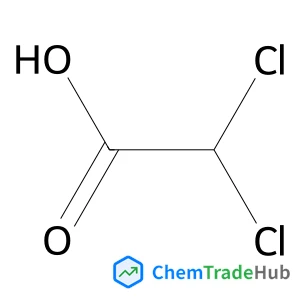
CAS Number
Related Products
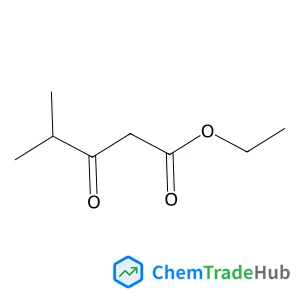
Ethyl 4-methyl-3-oxopentanoate
CAS Number: 7152-15-0
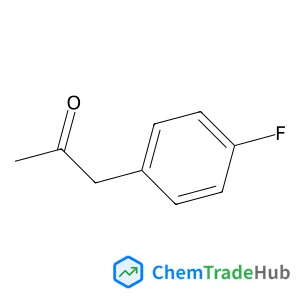
1-(4-Fluorophenyl)acetone
CAS Number: 459-03-0
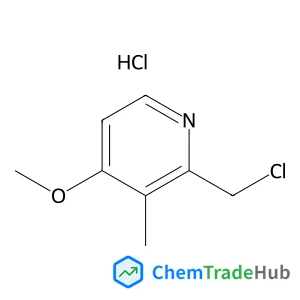
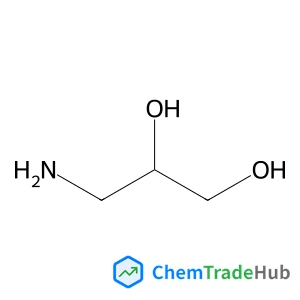
3-Amino-1,2-propanediol
CAS Number: 616-30-8
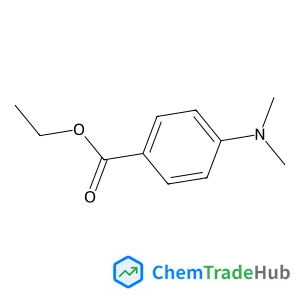
Ethyl 4-(dimethylamino)benzoate
CAS Number: 10287-53-3
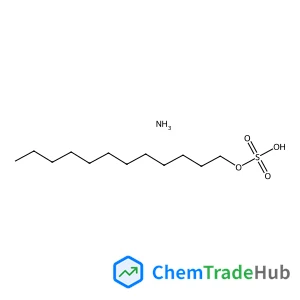
Ammonium dodecyl sulfate
CAS Number: 2235-54-3
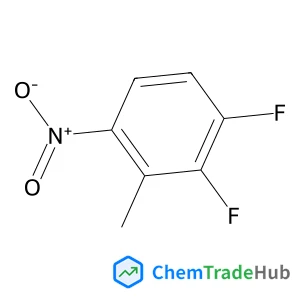
1,2-Difluoro-3-methyl-4-nitrobenzene
CAS Number: 914348-35-9
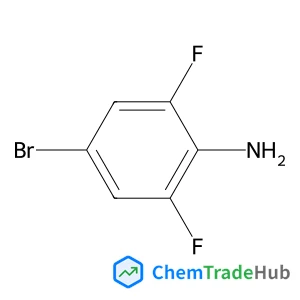
Abemaciclib Impurity 6
CAS Number: 67567-26-4
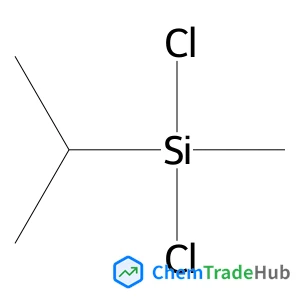
Dichloro(isopropyl)methylsilane
CAS Number: 18236-89-0
Other Suppliers for Dichloroacetic Acid



Basic Information
Molecular Formula
C2H2Cl2O2
Molecular Weight
128.94 g/mol
Physical Properties
Melting Point
9-11 °C (lit.)
Boiling Point
194 °C(lit.)
Density
1.563 g/mL at 25 °C(lit.)
Chemical Identifiers
SMILES
OC(=O)C(Cl)Cl
InChIKey
JXTHNDFMNIQAHM-UHFFFAOYSA-N
Database References
MDL Number
MFCD00004223
Beilstein Registry Number
1098596
FAQ
Dichloroacetic Acid (CAS: 79-43-6) is regulated under the Globally Harmonized System of Classification and Labelling of Chemicals (GHS) for its corrosive properties. In the European Union, it is subject to REACH regulations, which require a Safety Data Sheet (SDS) for handling and use. The Food and Drug Administration (FDA) and Environmental Protection Agency (EPA) in the USA also have specific guidelines for the use and disposal of this compound.
Yes, alternatives to Dichloroacetic Acid (CAS: 79-43-6) include other chlorinated acetic acids such as trichloroacetic acid and monochloroacetic acid. Additionally, synthetic routes using other reagents like chloroacetaldehyde can be explored as substitutes, depending on the specific application and desired properties.
The market for Dichloroacetic Acid (CAS: 79-43-6) is growing due to its applications in pharmaceuticals, biotechnology, and environmental monitoring. Research trends focus on its use in tumor therapy and as a reagent for chemical synthesis. Market trends show a steady demand, with increasing emphasis on sustainable and eco-friendly production methods.
Waste containing Dichloroacetic Acid (CAS: 79-43-6) should be collected in a secure container and stored in a well-ventilated area. It should be neutralized with a base before disposal to minimize corrosion risks. For large volumes or hazardous concentrations, professional waste disposal services should be utilized to ensure compliance with environmental regulations and safety standards.
Safety Notice
Please verify product specifications and safety data before use. Contact the supplier for detailed safety information.
Always follow proper handling procedures
Contact Information
Contact Person
Yang Qin
1462312301@qq.com