



AD
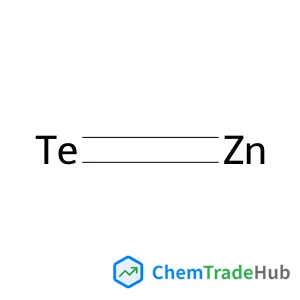
Zinc telluride (ZnTe)(CAS: 1315-11-3)
CAS Number
Related Products
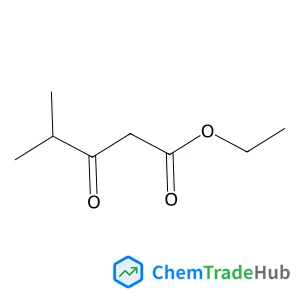
Ethyl 4-methyl-3-oxopentanoate
CAS Number: 7152-15-0
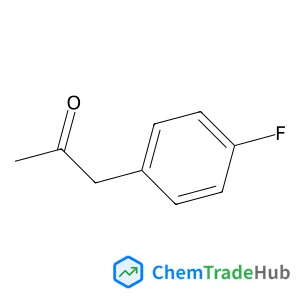
1-(4-Fluorophenyl)acetone
CAS Number: 459-03-0
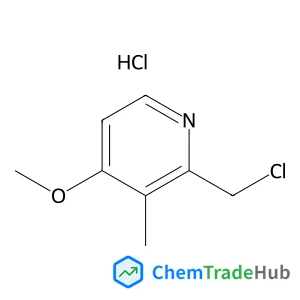
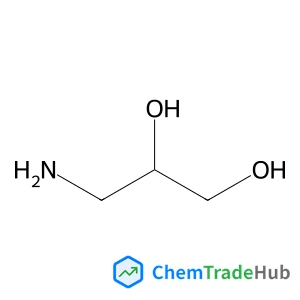
3-Amino-1,2-propanediol
CAS Number: 616-30-8
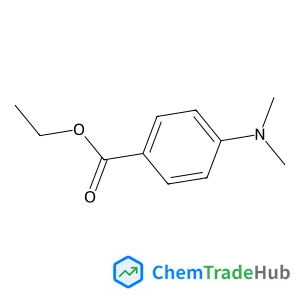
Ethyl 4-(dimethylamino)benzoate
CAS Number: 10287-53-3
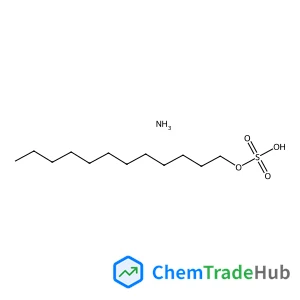
Ammonium dodecyl sulfate
CAS Number: 2235-54-3
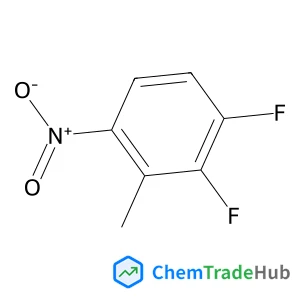
1,2-Difluoro-3-methyl-4-nitrobenzene
CAS Number: 914348-35-9
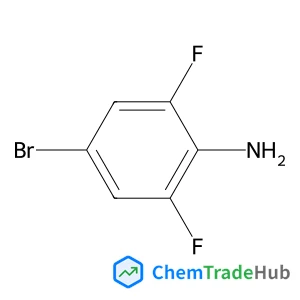
Abemaciclib Impurity 6
CAS Number: 67567-26-4
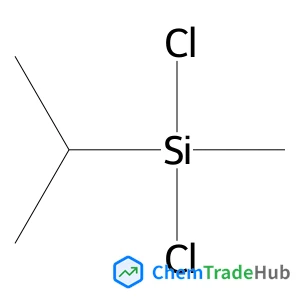
Dichloro(isopropyl)methylsilane
CAS Number: 18236-89-0
Other Suppliers for Zinc telluride (ZnTe)




Basic Information
Molecular Formula
ZnTe
Molecular Weight
193 g/mol
Physical Properties
Melting Point
1300 ºC
Boiling Point
°Cat760mmHg
Flash Point
°C
Water Solubility
It decomposes in water.
Chemical Identifiers
SMILES
[Zn]=[Te]
InChIKey
NSRBDSZKIKAZHT-UHFFFAOYSA-N
Database References
MDL Number
MFCD00043079
FAQ
Zinc telluride (ZnTe, CAS: 1315-11-3) is a direct-bandgap semiconductor with a cubic zinc-blende crystal structure. Its molecular weight is approximately 248.14 g/mol. It is insoluble in water but soluble in strong acids. Chemically, it is stable at room temperature but can react with halogens and strong oxidizers.
Zinc telluride is typically synthesized by the solid-state reaction method, where zinc oxide (ZnO) and tellurium (Te) are heated to temperatures around 900°C. Alternatively, it can be produced using chemical vapor deposition (CVD) or metal organic chemical vapor deposition (MOCVD) techniques, which provide better control over crystal quality and purity.
Zinc telluride (ZnTe, CAS: 1315-11-3) is primarily used in semiconductor applications, including photovoltaic cells, infrared optical devices, and sensors. It is also used in the production of phosphors and as a dopant in other semiconductor materials. Additionally, it has applications in the pharmaceutical industry for certain compounds and in the polymer industry for specific additives.
When handling zinc telluride (ZnTe, CAS: 1315-11-3), it is important to wear appropriate personal protective equipment (PPE) such as gloves, goggles, and a lab coat. Work should be conducted in a well-ventilated area or fume hood. Spills should be cleaned up immediately using appropriate absorbent materials, and the area should be thoroughly cleaned. Always refer to the Safety Data Sheet (SDS) for specific chemical handling and disposal guidelines.
Safety Notice
Please verify product specifications and safety data before use. Contact the supplier for detailed safety information.
Always follow proper handling procedures
Contact Information
Contact Person
Yang Qin
1462312301@qq.com