



AD
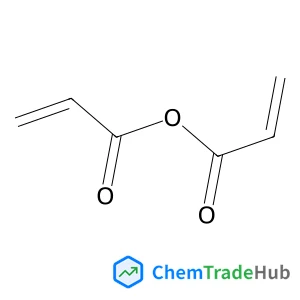
Acrylic Anhydride (CAS: 2051-76-5)
CAS Number
Related Products
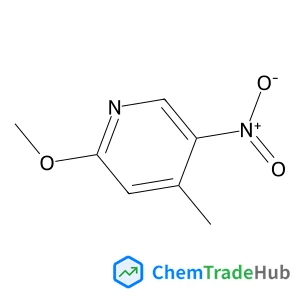
2-Methoxy-4-methyl-5-nitropyridine
CAS Number: 6635-90-1
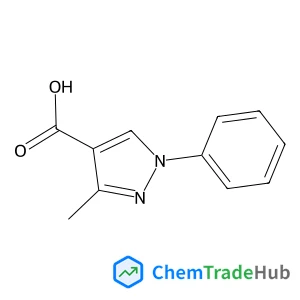
![N-[4-(4-Fluorophenyl)-5-(hydroxymethyl)-6-isopropyl-2-pyrimidinyl]-N-methylmethanesulfonamide](https://static.chemtradehub.com/structs/147/147118-36-3-8396.webp)
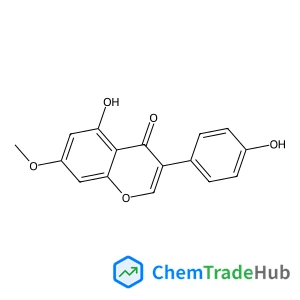
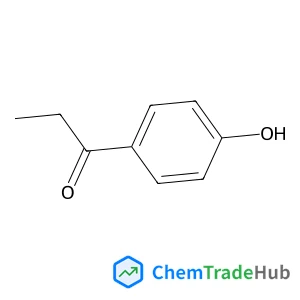
1-(4-Hydroxyphenyl)-1-propanone
CAS Number: 70-70-2
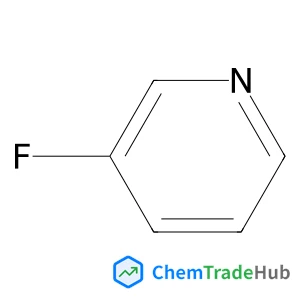
3-Fluoropyridine
CAS Number: 372-47-4
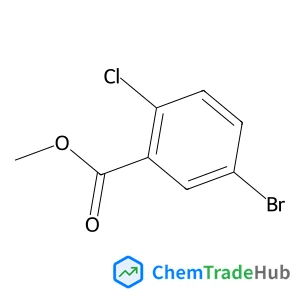
Methyl 5-bromo-2-chlorobenzoate
CAS Number: 251085-87-7
![5-Chloro-3-nitropyrazolo[1,5-a]pyrimidine](https://static.chemtradehub.com/structs/136/1363380-51-1-6292.webp)
Other Suppliers for Acrylic Anhydride





Basic Information
Molecular Formula
C6H6O3
Molecular Weight
126.11 g/mol
Physical Properties
Boiling Point
85-86°C 17mm
Flash Point
77°C
Chemical Identifiers
SMILES
C=CC(=O)OC(=O)C=C
InChIKey
ARJOQCYCJMAIFR-UHFFFAOYSA-N
Database References
MDL Number
MFCD00048146
FAQ
Acrylic anhydride (CAS: 2051-76-5) is a colorless, crystalline solid with a molecular weight of approximately 120.12 g/mol. It is soluble in common organic solvents like acetone, ethanol, and dichloromethane. Chemically, it is highly reactive, particularly with amines and alcohols, making it useful for various chemical reactions. It has a melting point of approximately 46-48°C and a boiling point of about 120°C.
Acrylic anhydride (CAS: 2051-76-5) is typically synthesized by the dehydration of acrylic acid using a dehydrating agent such as phosphoric acid or sulfuric acid. The reaction is exothermic, and the yield is generally high, with selectivity towards the anhydride form. The process is usually conducted at elevated temperatures to ensure the dehydration reaction proceeds efficiently.
Acrylic anhydride (CAS: 2051-76-5) is widely used in the pharmaceuticals, polymers, and coatings industries due to its reactivity and ability to form functional groups. It is also utilized in the production of sensors and semiconductors for its chemical reactivity and stability. Its applications include the synthesis of monomers for polymerization, drug intermediates, and surface treatments.
When handling acrylic anhydride (CAS: 2051-76-5), it is crucial to use appropriate personal protective equipment (PPE), including gloves, goggles, and a lab coat. Ensure the use of a fume hood to minimize inhalation risks. Spills should be handled carefully using appropriate absorbents, and the area should be well-ventilated. Always refer to a safety data sheet (SDS) for detailed handling and disposal instructions to ensure safe laboratory practice.
Safety Notice
Please verify product specifications and safety data before use. Contact the supplier for detailed safety information.
Always follow proper handling procedures
Contact Information
Contact Person
Manager Zhang
supplychain@witofly.com