



AD
2-Amino-3-bromo-5-nitrobenzonitrile(CAS: 17601-94-4)
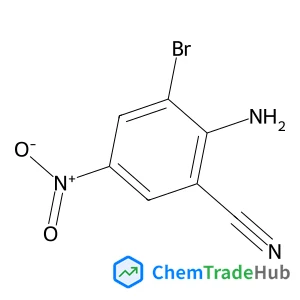
CAS Number
Related Products

2,5-Difluorobenzoic acid
CAS Number: 2991-28-8

2,6-Difluorobenzoic acid
CAS Number: 385-00-2
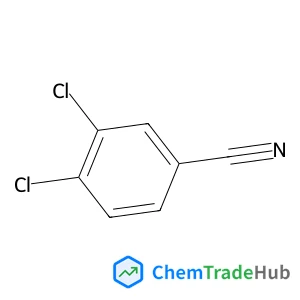
3,4-Dichlorobenzonitrile
CAS Number: 6574-99-8
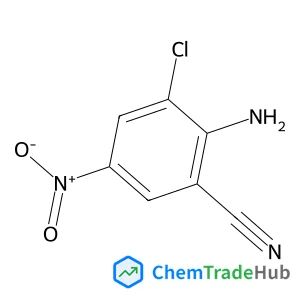
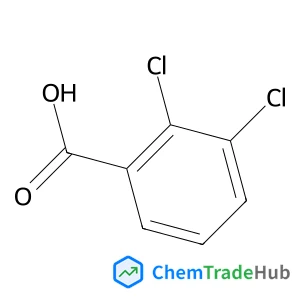
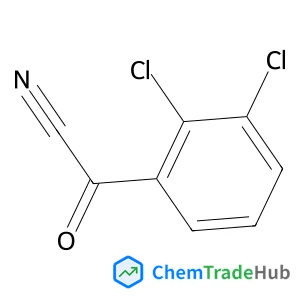
Lamotrigine Impurity 5
CAS Number: 77668-42-9
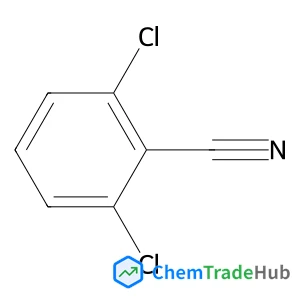
2,6-dichlorobenzonitrile
CAS Number: 1194-65-6
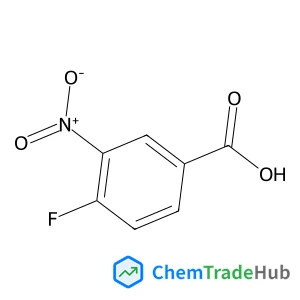
4-Fluoro-3-nitrobenzoic acid
CAS Number: 453-71-4
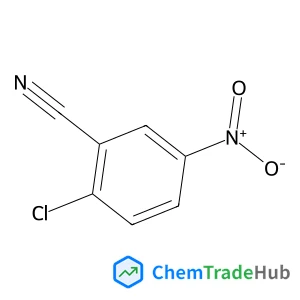
2-Chloro-5-nitrobenzonitrile
CAS Number: 16588-02-6
Other Suppliers for 2-Amino-3-bromo-5-nitrobenzonitrile



Basic Information
Molecular Formula
C7H4BrN3O2
Molecular Weight
242.03 g/mol
Physical Properties
Melting Point
189.0 to 193.0 deg-C
Boiling Point
374.8 °C at 760 mmHg
Flash Point
180.5 °C
Chemical Identifiers
SMILES
C1=C(C=C(C(=C1C#N)N)Br)[N+](=O)[O-]
InChIKey
MUHLVSZIVTURCZ-UHFFFAOYSA-N
Database References
MDL Number
MFCD00054185
FAQ
2-Amino-3-bromo-5-nitrobenzonitrile is a crystalline solid with a molecular weight of approximately 276.02 g/mol. It is slightly soluble in water but more soluble in organic solvents like ethanol and acetone. Chemically, it shows reactivity towards nucleophiles, electrophiles, and reducing agents, making it useful in various organic synthesis reactions.
2-Amino-3-bromo-5-nitrobenzonitrile is commonly synthesized through the bromination of 2-amino-5-nitrobenzonitrile followed by nitration. The reaction typically involves the use of bromine in the presence of a Lewis acid like aluminum trichloride, and nitric acid with sulfuric acid as an oxidizing agent, with careful control of reaction conditions to achieve high yield and selectivity.
2-Amino-3-bromo-5-nitrobenzonitrile is used primarily in the pharmaceutical industry for the synthesis of certain medicaments, as well as in the chemical industry for the production of intermediates, dyes, and other organic compounds. It can also be applied in the development of sensors and semiconductors, though on a smaller scale.
When handling 2-Amino-3-bromo-5-nitrobenzonitrile, it is essential to use personal protective equipment (PPE) including gloves, goggles, and a lab coat. Work should be conducted in a fume hood to minimize exposure to fumes. Spills should be cleaned up carefully using appropriate absorbents, and the area should be well ventilated. Always refer to the Safety Data Sheet (SDS) for detailed handling and disposal instructions.
Safety Notice
Please verify product specifications and safety data before use. Contact the supplier for detailed safety information.
Always follow proper handling procedures
Contact Information
Contact Person
Chen Yanbin