



AD
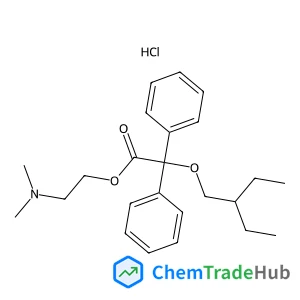
2-(Dimethylamino)ethyl (2-ethylbutoxy)(diphenyl)acetate hydrochloride (1:1)(CAS: 3321-06-0)
CAS Number
Related Products
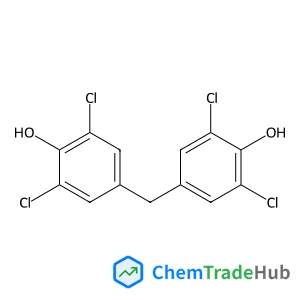
Tetrachloro-BPF
CAS Number: 3933-88-8
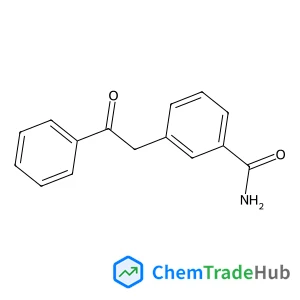
3-(2-Oxo-2-phenylethyl)benzamide
CAS Number: 465514-78-7
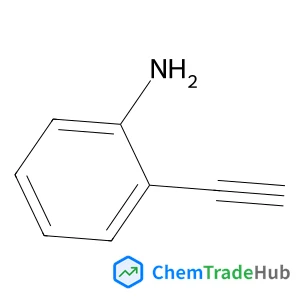
2-ethynylaniline
CAS Number: 52670-38-9
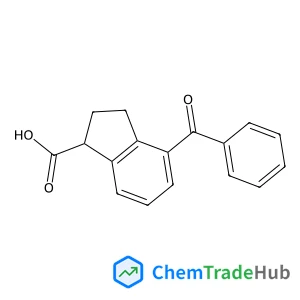
4-Benzoyl-1-indanecarboxylic acid
CAS Number: 56461-33-7
![N-(4-{[(2-Amino-4-oxo-1,4,5,6,7,8-hexahydropyrido[3,2-d]pyrimidin-6-yl)methyl]amino}benzoyl)-L-glutamic acid](https://static.chemtradehub.com/structs/519/51989-29-8-63d5.webp)
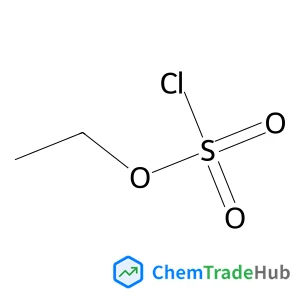
Ethyl sulfurochloridate
CAS Number: 625-01-4

Articaine-014
CAS Number: 23964-64-9
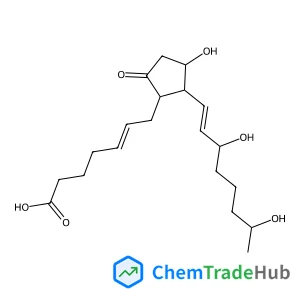
15(R)-19(R)-Hydroxy prostaglandin E2
CAS Number: 54142-29-9
Other Suppliers for 2-(Dimethylamino)ethyl (2-ethylbutoxy)(diphenyl)acetate hydrochloride (1:1)





Basic Information
Molecular Formula
C24H34ClNO3
Molecular Weight
419.99 g/mol
Chemical Identifiers
SMILES
CCC(CC)COC(C1=CC=CC=C1)(C2=CC=CC=C2)C(=O)OCCN(C)C.Cl
InChIKey
RSDBEODKTNUEMS-UHFFFAOYSA-N
Database References
MDL Number
MFCD01672309
FAQ
2-(Dimethylamino)ethyl (2-ethylbutoxy)(diphenyl)acetate hydrochloride (CAS: 3321-06-0) is a crystalline solid with a molecular weight of approximately 524.5 g/mol. It has a high solubility in organic solvents such as dichloromethane and acetone. This compound is relatively stable under normal conditions but can react with strong bases. It is commonly used in pharmaceutical and chemical synthesis due to its unique structure and reactivity.
2-(Dimethylamino)ethyl (2-ethylbutoxy)(diphenyl)acetate hydrochloride is synthesized via a multi-step process involving acetylation of 2-ethylbutoxy diphenyl ether followed by alkylation and N-methylation. The reaction typically requires the use of stoichiometric amounts of reagents and is carried out under anhydrous conditions. The yield is generally between 60-80%, and the product is isolated by recrystallization from a suitable solvent.
2-(Dimethylamino)ethyl (2-ethylbutoxy)(diphenyl)acetate hydrochloride (CAS: 3321-06-0) finds application in pharmaceuticals, where it serves as an intermediate in the synthesis of various drugs. It is also used in the polymer industry for the synthesis of specialized polymers with enhanced properties. Additionally, this compound is utilized in the development of sensors and semiconductors due to its unique chemical properties.
When handling 2-(Dimethylamino)ethyl (2-ethylbutoxy)(diphenyl)acetate hydrochloride (CAS: 3321-06-0), it is essential to wear appropriate personal protective equipment (PPE) such as gloves, goggles, and a lab coat. Work should be conducted in a well-ventilated fume hood to minimize inhalation risks. Spills should be cleaned up immediately using appropriate absorbent materials. Always refer to the Material Safety Data Sheet (MSDS/SDS) for detailed safety information and emergency procedures.
Safety Notice
Please verify product specifications and safety data before use. Contact the supplier for detailed safety information.
Always follow proper handling procedures
Contact Information
Contact Person
Xiao Zhang
2012558459@qq.com