



AD
2-(4-Chloro-2-methylphenoxy)propanoic acid(CAS: 93-65-2)
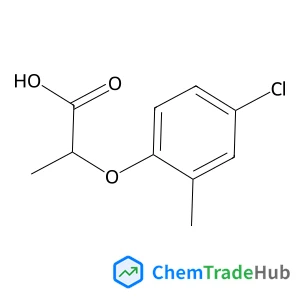
CAS Number
Related Products
![(2R)-1-[(2-Methyl-2-propanyl)oxy]-1-oxo-3-(tritylsulfanyl)-2-propanaminium chloride](https://static.chemtradehub.com/structs/158/158009-03-1-72f2.webp)
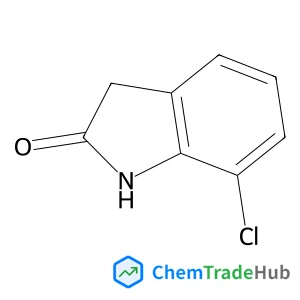
7-Chloro-1,3-dihydro-2H-indol-2-one
CAS Number: 25369-33-9
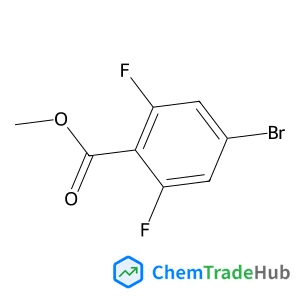
Methyl 4-bromo-2,6-difluorobenzoate
CAS Number: 773134-11-5
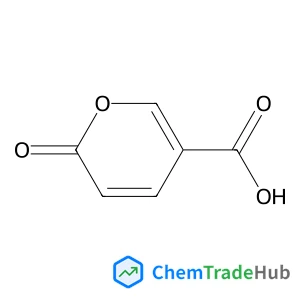
2-Oxo-2H-pyran-5-carboxylic acid
CAS Number: 500-05-0
![5-Bromo-1H-pyrrolo[2,3-b]pyridin-6-amine](https://static.chemtradehub.com/structs/119/1190322-18-9-0a9f.webp)
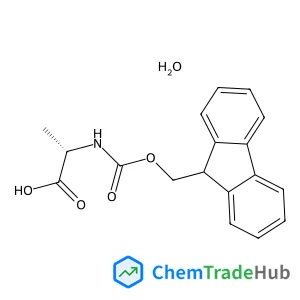
N-Fmoc-L-alanine Hydrate
CAS Number: 207291-76-7
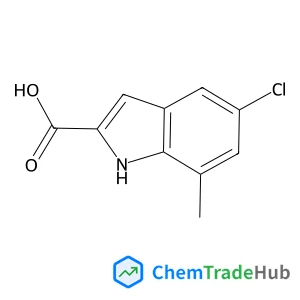
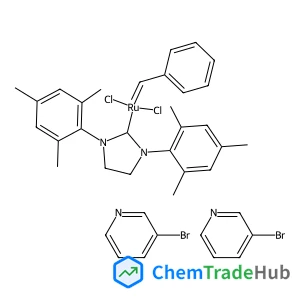
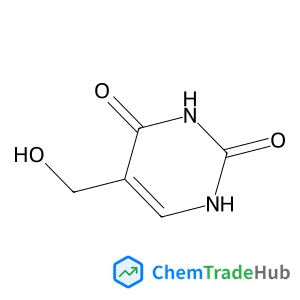
Other Suppliers for 2-(4-Chloro-2-methylphenoxy)propanoic acid





Basic Information
Molecular Formula
C10H11ClO3
Molecular Weight
214.65 g/mol
Physical Properties
Melting Point
88-90°C
Boiling Point
308.11°C (rough estimate)
Density
1.2413 (rough estimate)
Flash Point
100 °C
Chemical Identifiers
SMILES
CC(Oc1ccc(Cl)cc1C)C(=O)O
InChIKey
WNTGYJSOUMFZEP-UHFFFAOYSA-N
Database References
MDL Number
MFCD00002648
FAQ
2-(4-Chloro-2-methylphenoxy)propanoic acid is a white crystalline solid with a molecular weight of approximately 245.02 g/mol. It has a melting point of about 184-187°C and is slightly soluble in water. The compound is relatively stable, but it can react with strong bases and undergo hydrolysis under basic conditions. It is commonly used as a starting material in organic synthesis and pharmaceuticals.
2-(4-Chloro-2-methylphenoxy)propanoic acid is typically synthesized via the esterification of 4-chloro-2-methylphenoxyacetic acid with propanol. The reaction is catalyzed by sulfuric acid and proceeds via an esterification mechanism, yielding a high yield of product with good selectivity. The process is generally carried out in organic solvents and requires careful monitoring to avoid side reactions.
2-(4-Chloro-2-methylphenoxy)propanoic acid is primarily used in the pharmaceutical industry as an intermediate in the synthesis of drugs. It is also used in the production of certain polymers and in the development of sensors due to its unique chemical properties. Additionally, it has potential applications in the semiconductor industry for specific chemical processes.
When handling 2-(4-Chloro-2-methylphenoxy)propanoic acid, it is important to wear appropriate personal protective equipment (PPE) such as gloves, goggles, and a lab coat. The compound should be handled in a well-ventilated area or a fume hood to avoid inhalation of vapors. Spills should be cleaned up using appropriate absorbent materials and following safety guidelines. Always consult the Safety Data Sheet (SDS) for detailed handling instructions and emergency procedures.
Safety Notice
Please verify product specifications and safety data before use. Contact the supplier for detailed safety information.
Always follow proper handling procedures

Contact Information
Contact Person
Leyan
product@leyan.com
Mobile
13525454349
Visit Website
https://www.leyan.com/Address
No. 3, Block 1999, Zhangheng Road, China (Shanghai) Free Trade Zone