



AD
2-Thiophenecarbonyl chloride(CAS: 5271-67-0)
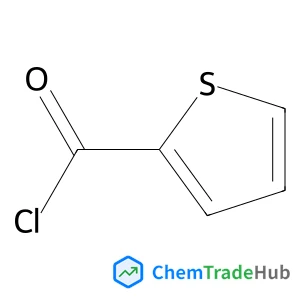
CAS Number
Related Products
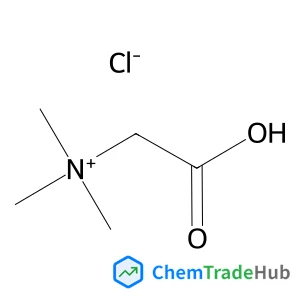
Betaine Chloride
CAS Number: 590-46-5
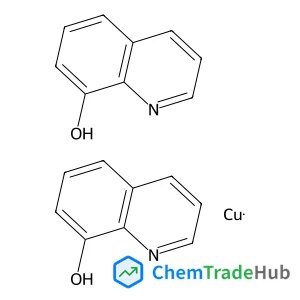
Bis(8-quinolinolato)copper(II)
CAS Number: 10380-28-6
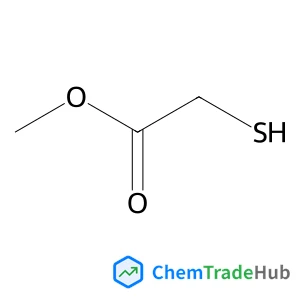
Methyl sulfanylacetate
CAS Number: 2365-48-2
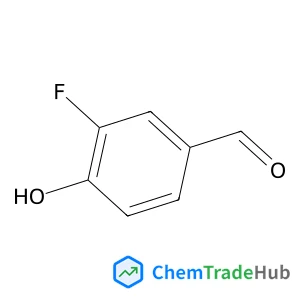
3-Fluoro-4-hydroxybenzaldehyde
CAS Number: 405-05-0
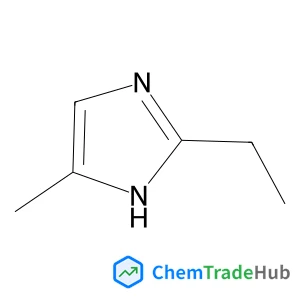
2-Ethyl-4-methylimidazole
CAS Number: 931-36-2
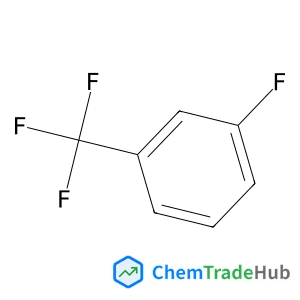
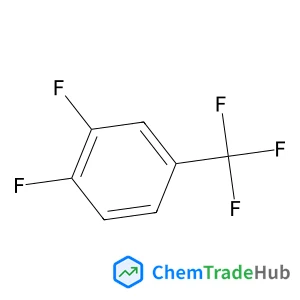
1-Fluoro-3-(trifluoromethyl)benzene
CAS Number: 401-80-9
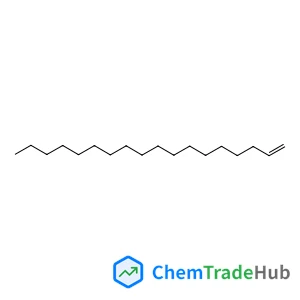
1-Octadecene
CAS Number: 112-88-9
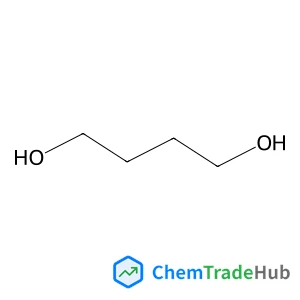
1,4-Butanediol
CAS Number: 110-63-4
Other Suppliers for 2-Thiophenecarbonyl chloride





Basic Information
Molecular Formula
C5H3ClOS
Molecular Weight
146.6 g/mol
Physical Properties
Boiling Point
190°C
Chemical Identifiers
SMILES
C1=CSC(=C1)C(=O)Cl
InChIKey
QIQITDHWZYEEPA-UHFFFAOYSA-N
Database References
MDL Number
MFCD00005428
Beilstein Registry Number
110145
FAQ
2-Thiophenecarbonyl chloride is a crystalline compound with a molecular weight of approximately 155.57 g/mol. It has a low solubility in water but is soluble in organic solvents such as ethanol and acetone. It is a reactive compound, prone to hydrolysis to form thiophene carboxylic acid. The compound is sensitive to moisture and air, and it is typically stored in a desiccant-sealed container.
2-Thiophenecarbonyl chloride can be synthesized by reacting thiophene with phosgene in the presence of a suitable catalyst, such as aluminum chloride. The reaction is exothermic and requires careful control of temperature to achieve high yield and selectivity. The product is typically purified by recrystallization or distillation.
2-Thiophenecarbonyl chloride finds applications in various industries. It is used in the synthesis of functionalized thiophene derivatives, which are important in pharmaceuticals, such as in the development of anti-inflammatory drugs. It also plays a role in the production of polymers and as a precursor in the manufacturing of sensors and semiconductors.
When handling 2-Thiophenecarbonyl chloride, it is essential to take appropriate safety precautions. Wear appropriate personal protective equipment (PPE), including gloves, goggles, and a lab coat. Work in a well-ventilated area or a fume hood. Handle the compound in a fume hood to minimize exposure to its fumes. Store it in a cool, dry place, away from moisture and direct sunlight. In case of a spill, follow the emergency response procedures outlined in the safety data sheet (SDS).
Safety Notice
Please verify product specifications and safety data before use. Contact the supplier for detailed safety information.
Always follow proper handling procedures