



AD
2,4-Dimethoxyphenol(CAS: 13330-65-9)
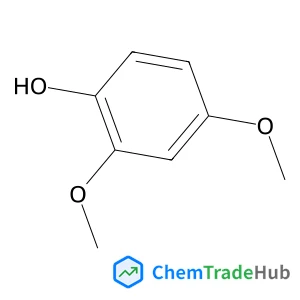
CAS Number
Related Products
amino}butanoic acid](https://static.chemtradehub.com/structs/221/221124-57-8-c784.webp)
![1-Cyclopropyl-8-methyl-7-[5-methyl-6-(methylamino)-3-pyridinyl]-4-oxo-1,4-dihydro-3-quinolinecarboxylic acid](https://static.chemtradehub.com/structs/245/245765-41-7-85ad.webp)
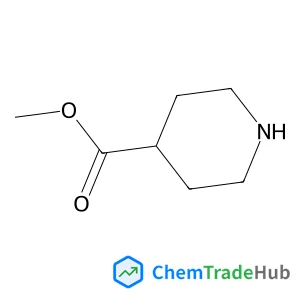
Methyl 4-piperidinecarboxylate
CAS Number: 2971-79-1
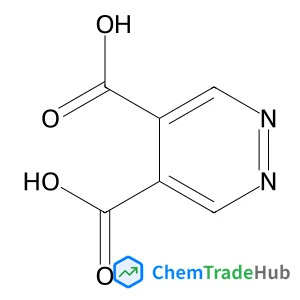
4,5-Pyridazinedicarboxylic acid
CAS Number: 59648-14-5
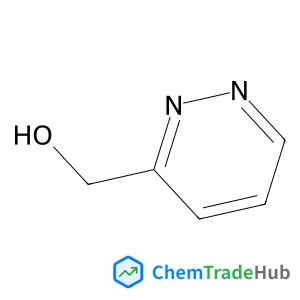
pyridazin-3-ylmethanol
CAS Number: 37444-46-5
![N-[4-(Trifluoromethoxy)phenyl]acetamide](https://static.chemtradehub.com/structs/173/1737-06-0-69aa.webp)
N-[4-(Trifluoromethoxy)phenyl]acetamide
CAS Number: 1737-06-0
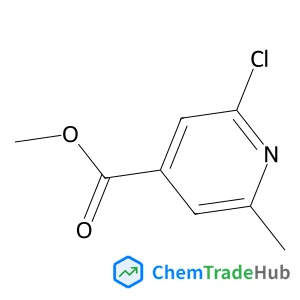
Methyl 2-chloro-6-methylisonicotinate
CAS Number: 3998-90-1
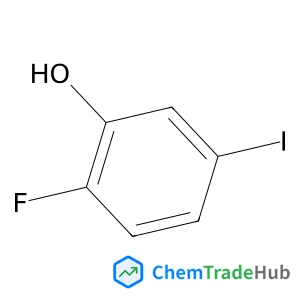
2-Fluoro-5-iodophenol
CAS Number: 186589-89-9
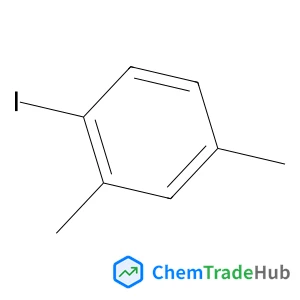
1-Iodo-2,4-dimethylbenzene
CAS Number: 4214-28-2
Other Suppliers for 2,4-Dimethoxyphenol





Basic Information
Molecular Formula
C8H10O3
Molecular Weight
154.17 g/mol
Physical Properties
Melting Point
28°C(lit.)
Boiling Point
129°C/10mmHg(lit.)
Density
1.134
Flash Point
268.4 °C at 760 mmHg
Chemical Identifiers
SMILES
COC1=CC(=C(C=C1)O)OC
InChIKey
MNVMYTVDDOXZLS-UHFFFAOYSA-N
Database References
MDL Number
MFCD00060637
FAQ
2,4-Dimethoxyphenol (CAS: 13330-65-9) is regulated under the Globally Harmonized System of Classification and Labelling of Chemicals (GHS), specifically classified as a skin and eye irritant. In the European Union, it is subject to the Registration, Evaluation, Authorisation and Restriction of Chemicals (REACH) regulation, which requires manufacturers and importers to register substances with the European Chemicals Agency (ECHA). The U.S. Food and Drug Administration (FDA) and Environmental Protection Agency (EPA) may also have specific requirements for its use and handling in industrial and commercial applications.
For synthesizing compounds similar to 2,4-Dimethoxyphenol (CAS: 13330-65-9), alternatives such as 2-methoxyphenol or 4-methoxyphenol can be used. These isomers offer varying reactivity and thus can be chosen based on the specific needs of the synthesis. Additionally, other phenolic compounds like 2,4-dimethylphenol can serve as viable substitutes, depending on the desired properties of the final product.
The market for 2,4-Dimethoxyphenol (CAS: 13330-65-9) is driven by its applications in pharmaceuticals, agrochemicals, and as an intermediate in the synthesis of other chemicals. Recent research trends focus on sustainable synthesis methods and the development of greener alternatives. Additionally, due to increasing environmental concerns, there is a growing interest in the use of renewable sources to produce this compound and its derivatives.
Waste containing 2,4-Dimethoxyphenol (CAS: 13330-65-9) should be collected and stored in appropriate containers lined with impermeable materials to prevent leaks. Proper disposal methods include incineration or professional waste disposal services that specialize in hazardous chemicals. It is crucial to follow local and national regulations regarding hazardous waste management. Environmental protection measures, such as neutralization to reduce toxicity before disposal, may also be necessary depending on the specific waste characteristics and local regulations.
Safety Notice
Please verify product specifications and safety data before use. Contact the supplier for detailed safety information.
Always follow proper handling procedures

Contact Information
3007522982@qq.com
Mobile
18117592386
Telephone
021-57481218
Fax
无
Visit Website
https://www.acmec-e.com