



AD
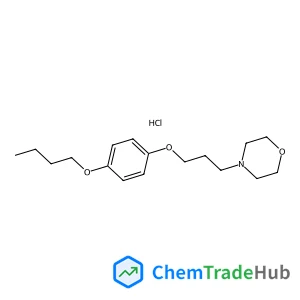
Pramoxine Hydrochloride(CAS: 637-58-1)
CAS Number
Related Products
![7-[(3-Chloro-6-methyl-5,5-dioxido-6,11-dihydrodibenzo[c,f][1,2]thiazepin-11-yl)amino]heptanoic acid](https://static.chemtradehub.com/structs/669/66981-73-5-f5e3.webp)
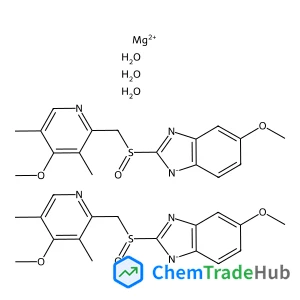
Esomeprazole Magnesium Trihydrate
CAS Number: 217087-09-7
![3,11-Dichloro-6-methyl-6,11-dihydrodibenzo[c,f][1,2]thiazepine 5,5-dioxide](https://static.chemtradehub.com/structs/266/26638-66-4-d874.webp)
![(4S)-6-Chloro-3,4-dihydro-2H-thieno[3,2-e][1,2]thiazin-4-ol 1,1-dioxide](https://static.chemtradehub.com/structs/160/160982-16-1-97b3.webp)
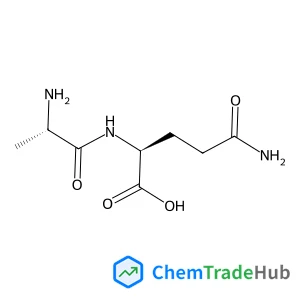
L-Alanyl-L-Glutamine
CAS Number: 39537-23-0
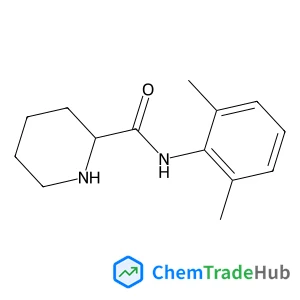
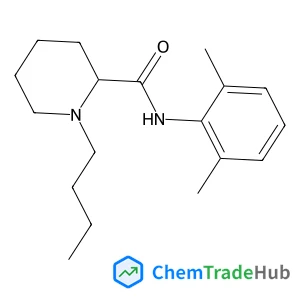
2',6'-Pipecoloxylidide
CAS Number: 15883-20-2
Other Suppliers for Pramoxine Hydrochloride


Basic Information
Molecular Formula
C17H28ClNO3
Molecular Weight
329.87 g/mol
Physical Properties
Melting Point
181-183°C
Boiling Point
427°C at 760 mmHg
Flash Point
123.5 °C
Chemical Identifiers
SMILES
CCCCOC1=CC=C(OCCCN2CCOCC2)C=C1.[H]Cl
InChIKey
SYCBXBCPLUFJID-UHFFFAOYSA-N
Database References
MDL Number
MFCD00054323
FAQ
Pramoxine hydrochloride is a white or off-white crystalline powder with a molecular weight of approximately 268.83 g/mol. It is sparingly soluble in water and ethanol. Chemically, it is highly reactive under basic conditions and stable under acidic conditions. The compound is not flammable and has a low tendency to undergo hydrolysis or oxidation at room temperature.
Pramoxine hydrochloride is synthesized from pramoxine, a secondary amine, by reacting it with hydrochloric acid. Common methods involve the use of concentrated hydrochloric acid in an aqueous solution, where the amine protonates to form the hydrochloride salt. The reaction is typically carried out at room temperature, yielding a product with a high degree of purity and selectivity.
Pramoxine hydrochloride is widely used in the pharmaceutical industry, particularly in the formulation of topical anesthetics for pain relief. It is also used in some cosmetic products to reduce discomfort during procedures. Additionally, it has applications in the medical field for its local anesthetic properties.
When handling pramoxine hydrochloride, it is important to wear gloves, protective goggles, and a lab coat to prevent skin and eye contact. The compound should be stored in a cool, dry place away from direct sunlight and heat sources. In case of a spill, it should be cleaned up immediately using appropriate disposal methods, and the area should be well-ventilated. Always refer to the Safety Data Sheet (SDS) for detailed handling and storage instructions.
Safety Notice
Please verify product specifications and safety data before use. Contact the supplier for detailed safety information.
Always follow proper handling procedures