



AD
Thaumatin(CAS: 53850-34-3)
CAS Number
Related Products
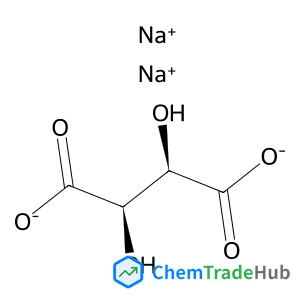
Disodium (2R,3R)-2,3-dihydroxysuccinate
CAS Number: 868-18-8
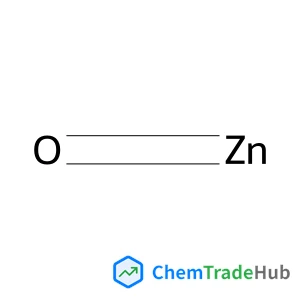
Zinc oxide
CAS Number: 1314-13-2
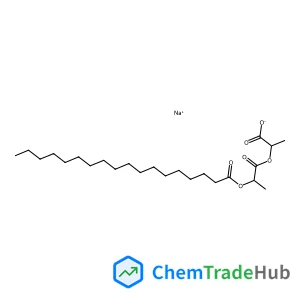
Sodium stearoyl lactylate
CAS Number: 25383-99-7
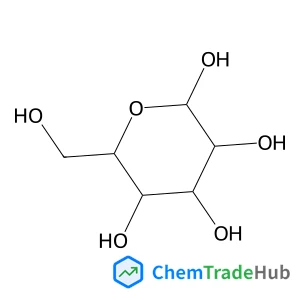
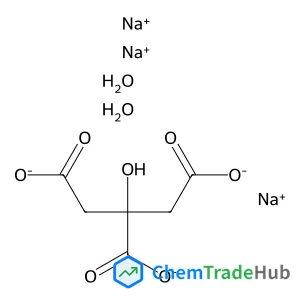
Other Suppliers for Thaumatin


Basic Information
Molecular Formula
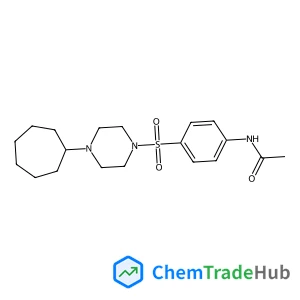
C19H29N3O3S
Molecular Weight
379.5 g/mol
Physical Properties
Boiling Point
325.7±15.0 °C at 760 mmHg
Density
1.0±0.1 g/cm3
Flash Point
165.0±16.9 °C
Water Solubility
Soluble in water (25 mg/ml), and 60% ethanol. Insoluble in ether, and benzene .
Chemical Identifiers
SMILES
CC(=O)NC1=CC=C(C=C1)S(=O)(=O)N2CCN(CC2)C3CCCCCC3
InChIKey
IVPOQXWRUMMORK-UHFFFAOYSA-N
Database References
MDL Number
MFCD00132420
FAQ
Thaumatin (CAS: 53850-34-3) is a sweet protein with a crystalline form. It has a molecular weight of approximately 28,000 Da. Thaumatin is highly soluble in water and has good stability under acidic and alkaline conditions. Its sweetness is about 2000 times that of sucrose, making it a valuable sweetener. Chemically, it is resistant to enzymatic degradation and heat treatment, which contributes to its stability in food products.
Thaumatin (CAS: 53850-34-3) is typically synthesized through fermentation using genetically modified yeast or bacteria. The process involves genetic engineering to produce thaumatin-like proteins, which are then purified and crystallized. Commonly used yeast strains include Pichia pastoris. The fermentation process is optimized to achieve high yield and selectivity, with the final product being purified through steps like filtration, chromatography, and lyophilization.
Thaumatin (CAS: 53850-34-3) is primarily used in the food and beverage industry as a natural sweetener. It is also applicable in the pharmaceutical industry for its potential as a sweetener in low-calorie and diabetic-friendly products. Additionally, it is used in the cosmetic industry as a flavor enhancer and in the health and wellness sector for its perceived benefits in weight management.
When handling Thaumatin (CAS: 53850-34-3), it is important to wear appropriate personal protective equipment (PPE) such as gloves and safety goggles. Work should be conducted in a well-ventilated environment or a fume hood to prevent inhalation of dust. Spills should be cleaned up immediately using appropriate absorbent materials, and proper waste disposal procedures should be followed. Always refer to the Safety Data Sheet (SDS) for detailed information on handling and storage.
Safety Notice
Please verify product specifications and safety data before use. Contact the supplier for detailed safety information.
Always follow proper handling procedures
Contact Information
2504755881@qq.com