



AD
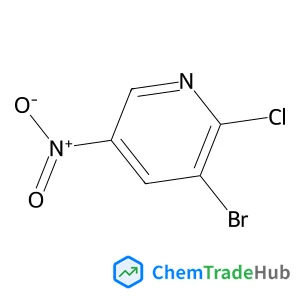
3-Bromo-2-chloro-5-nitropyridine(CAS: 5470-17-7)
CAS Number
Related Products
amino}butanoic acid](https://static.chemtradehub.com/structs/221/221124-57-8-c784.webp)
![1-Cyclopropyl-8-methyl-7-[5-methyl-6-(methylamino)-3-pyridinyl]-4-oxo-1,4-dihydro-3-quinolinecarboxylic acid](https://static.chemtradehub.com/structs/245/245765-41-7-85ad.webp)

Methyl 4-piperidinecarboxylate
CAS Number: 2971-79-1
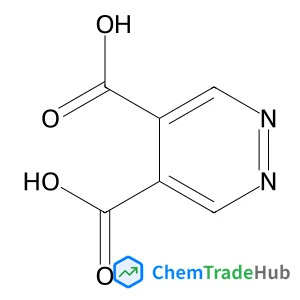
4,5-Pyridazinedicarboxylic acid
CAS Number: 59648-14-5
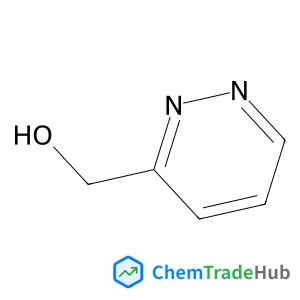
pyridazin-3-ylmethanol
CAS Number: 37444-46-5
![N-[4-(Trifluoromethoxy)phenyl]acetamide](https://static.chemtradehub.com/structs/173/1737-06-0-69aa.webp)
N-[4-(Trifluoromethoxy)phenyl]acetamide
CAS Number: 1737-06-0
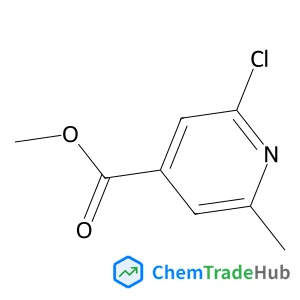
Methyl 2-chloro-6-methylisonicotinate
CAS Number: 3998-90-1

2-Fluoro-5-iodophenol
CAS Number: 186589-89-9
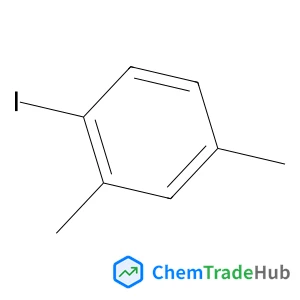
1-Iodo-2,4-dimethylbenzene
CAS Number: 4214-28-2
Other Suppliers for 3-Bromo-2-chloro-5-nitropyridine



Basic Information
Molecular Formula
C5H2BrClN2O2
Molecular Weight
237.44 g/mol
Physical Properties
Melting Point
66.0 to 70.0 deg-C
Boiling Point
293.8℃ at 760 mmHg
Density
1.936
Flash Point
131.5 °C
Chemical Identifiers
SMILES
C1=C(C=NC(=C1Br)Cl)[N+](=O)[O-]
InChIKey
PTTQIUHVDDBART-UHFFFAOYSA-N
Database References
MDL Number
MFCD00233989
FAQ
3-Bromo-2-chloro-5-nitropyridine (CAS: 5470-17-7) is regulated under the Globally Harmonized System of Classification and Labeling of Chemicals (GHS) with specific hazard classifications for health, environmental, and physical hazards. In the European Union, it is also subject to the Registration, Evaluation, Authorization and Restriction of Chemicals (REACH) regulation. For products in the United States, FDA and EPA have specific requirements for the handling and disposal of this compound. Compliance with these regulations is essential for safe use and disposal.
Alternatives to 3-Bromo-2-chloro-5-nitropyridine (CAS: 5470-17-7) in synthesis include other heterocyclic compounds such as 2-chloro-5-nitropyridine or related substituted derivatives. Isomeric forms and analogs, such as 3-chloro-2-bromo-5-nitropyridine, may also serve as suitable alternatives depending on the specific reaction requirements. Common alternative reagents include various halides and nitrile compounds.
The market for 3-Bromo-2-chloro-5-nitropyridine (CAS: 5470-17-7) is driven by its application in pharmaceutical intermediates and agrochemicals. Research trends indicate a focus on developing more sustainable and environmentally friendly synthesis routes. Additionally, there is ongoing interest in exploring its use in new drug discovery and development. The demand for this compound is expected to grow as emerging markets in Asia and other regions continue to expand.
Waste containing 3-Bromo-2-chloro-5-nitropyridine (CAS: 5470-17-7) should be collected in appropriate containers and labeled with the correct hazard symbols. Incineration is a common method for the disposal of this waste, but it must be conducted under controlled conditions to prevent environmental contamination. Alternatively, professional waste disposal services can handle the waste safely. Ensure all precautions are taken to protect the environment and human health during collection and disposal.
Safety Notice
Please verify product specifications and safety data before use. Contact the supplier for detailed safety information.
Always follow proper handling procedures

Contact Information
3007522982@qq.com
Mobile
18117592386
Telephone
021-57481218
Fax
无
Visit Website
https://www.acmec-e.com