



AD
Procyanidin(CAS: 4852-22-6)
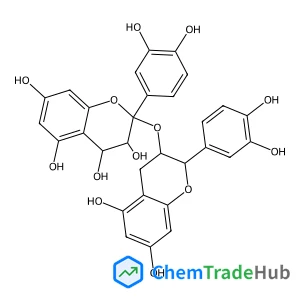
CAS Number
Related Products
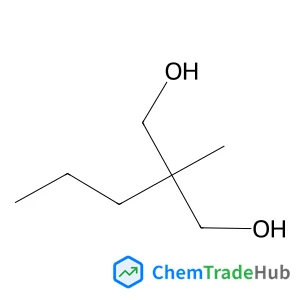
2-methyl-2-propylpropane-1,3-diol
CAS Number: 78-26-2
![Ethyl 3-(2-(((4-carbamimidoylphenyl)amino)methyl)-1-methyl-N-(pyridin-2-yl)-1H-benzo[d]imidazole-5-carboxamido)propanoate hydrochloride](https://static.chemtradehub.com/structs/211/211914-50-0-81b1.webp)
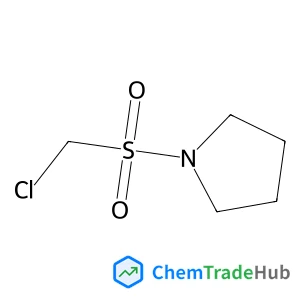
1-chloromethanesulfonylpyrrolidine
CAS Number: 98069-37-5
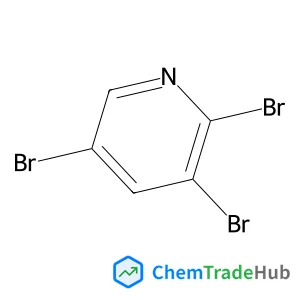
2,3,5-Tribromopyridine
CAS Number: 75806-85-8
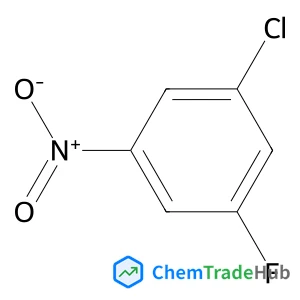
1-Chloro-3-fluoro-5-nitrobenzene
CAS Number: 4815-64-9
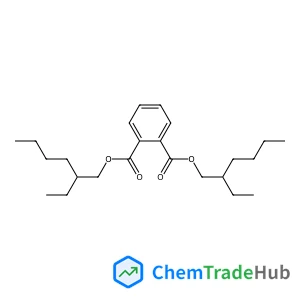
Bis(2-ethylhexyl) phthalate
CAS Number: 117-81-7
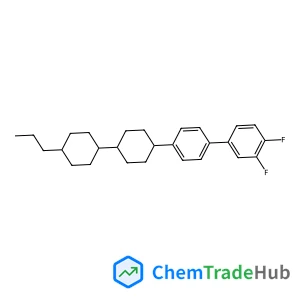
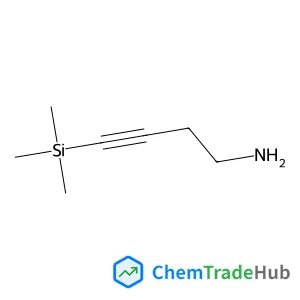
4-(Trimethylsilyl)-3-butyn-1-amine
CAS Number: 183208-71-1
Other Suppliers for Procyanidin


Basic Information
Molecular Formula
C30H26O13
Molecular Weight
594.5 g/mol
Physical State
Red brown powder
Chemical Identifiers
SMILES
C1C(C(OC2=CC(=CC(=C21)O)O)C3=CC(=C(C=C3)O)O)OC4(C(C(C5=C(C=C(C=C5O4)O)O)O)O)C6=CC(=C(C=C6)O)O
InChIKey
HGVVOUNEGQIPMS-UHFFFAOYSA-N
Database References
MDL Number
MFCD01662851
Beilstein Registry Number
1675863
FAQ
Procyanidin (CAS: 4852-22-6) is a type of flavonoid compound known for its strong antioxidant properties. It is an oligomeric proanthocyanidin, typically derived from plant sources like grapes, cocoa, and pine bark. Procyanidin has a complex structure composed of flavan-3-ol units linked by C4-C8 bonds, contributing to its stability and bioavailability. Its molecular weight varies depending on the degree of polymerization, and it is commonly used in health supplements and functional foods due to its potential benefits for cardiovascular health and cellular protection.
Procyanidin (CAS: 4852-22-6) is primarily used in pharmaceuticals as an antioxidant and anti-inflammatory agent. It finds applications in the food industry as a natural preservative and in cosmetics for skin health benefits. Additionally, it is utilized in research for studying its effects on oxidative stress and in industrial settings for developing nutraceutical products. Its versatility makes it a key component in products aimed at improving overall wellness and longevity.
Procyanidin (CAS: 4852-22-6) is generally considered safe when used as directed in food, supplements, and pharmaceuticals. However, high doses may cause gastrointestinal discomfort in some individuals. Safety guidelines recommend following recommended usage levels and handling it with proper ventilation and protective gear during industrial applications. It is classified as non-toxic in normal exposure scenarios, but long-term effects require further research to ensure comprehensive safety standards.
Procyanidin (CAS: 4852-22-6) should be stored in a cool, dry place away from direct light to maintain its stability and potency. It is best kept in airtight containers made of dark glass or metal to prevent degradation from moisture and light exposure. Storage conditions should avoid temperatures above 25°C and humidity levels exceeding 60% to preserve its chemical integrity. Proper storage ensures optimal shelf life and effectiveness for both industrial and consumer applications.
Safety Notice
Please verify product specifications and safety data before use. Contact the supplier for detailed safety information.
Always follow proper handling procedures

Contact Information
Contact Person
Mr. Zhai
xiangyang.zhai@jk-sci.com
Mobile
18210857532
Visit Website
https://www.jkchemical.comAddress
Beijing Chaoyang District, Building A, 5th Floor, Junfeng Huating, No. 69 Beichen West Road