



AD
10-Hydroxydec-2-enoic acid(CAS: 765-01-5)
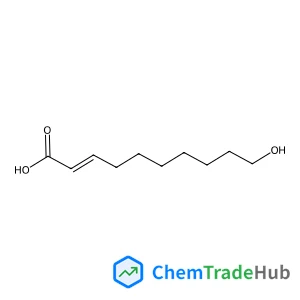
CAS Number
Related Products
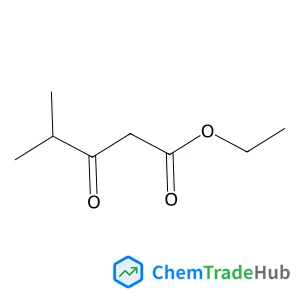
Ethyl 4-methyl-3-oxopentanoate
CAS Number: 7152-15-0
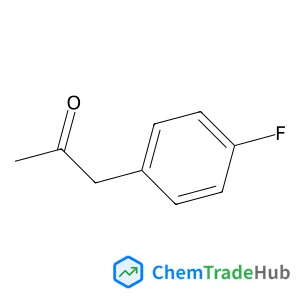
1-(4-Fluorophenyl)acetone
CAS Number: 459-03-0
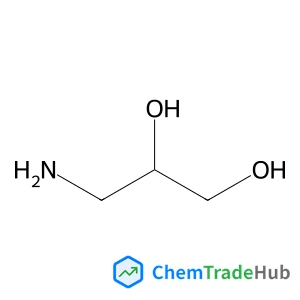
3-Amino-1,2-propanediol
CAS Number: 616-30-8
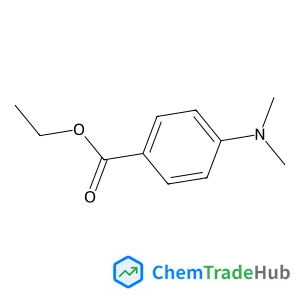
Ethyl 4-(dimethylamino)benzoate
CAS Number: 10287-53-3
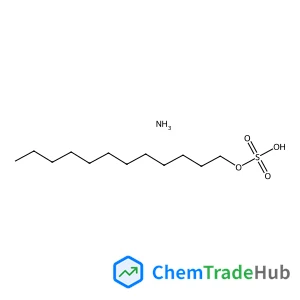
Ammonium dodecyl sulfate
CAS Number: 2235-54-3
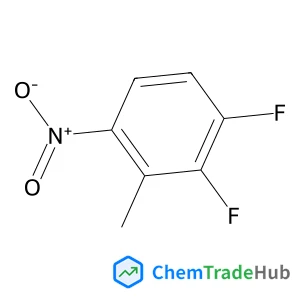
1,2-Difluoro-3-methyl-4-nitrobenzene
CAS Number: 914348-35-9
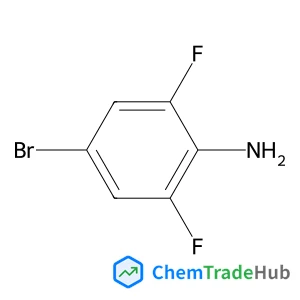
Abemaciclib Impurity 6
CAS Number: 67567-26-4
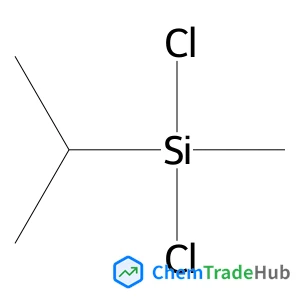
Dichloro(isopropyl)methylsilane
CAS Number: 18236-89-0
Other Suppliers for 10-Hydroxydec-2-enoic acid




Basic Information
Molecular Formula
C10H18O3
Molecular Weight
186.25 g/mol
Physical State
Oil
Physical Properties
Melting Point
53-55ºC
Boiling Point
338.7ºC at 760 mmHg
Density
0.998g/cm3
Flash Point
172.8ºC
Chemical Identifiers
SMILES
C(CCCC=CC(=O)O)CCCO
InChIKey
QHBZHVUGQROELI-SOFGYWHQSA-N
Database References
MDL Number
MFCD00204506
FAQ
10-Hydroxydec-2-enoic acid (CAS: 765-01-5) is a white solid at room temperature, with a molecular weight of approximately 198.26 g/mol. It is slightly soluble in water and more soluble in organic solvents. The compound is moderately reactive, especially towards nucleophilic and electrophilic reagents. It can form salts with bases and esters with alcohols.
10-Hydroxydec-2-enoic acid (CAS: 765-01-5) is typically synthesized via a Wittig reaction or a Claisen condensation followed by a hydroxylation step. Commonly used catalysts include organometallic compounds such as triphenylphosphine and lithiated Grignard reagents. The yield is generally around 70-80%, and the reaction is conducted under anhydrous conditions to ensure high selectivity.
10-Hydroxydec-2-enoic acid (CAS: 765-01-5) is used in the pharmaceutical industry for the production of certain drugs, in polymer chemistry for the development of advanced materials, and in sensor technology for its unique chemical reactivity. It also finds applications in the semiconductor industry due to its electronic properties.
When handling 10-Hydroxydec-2-enoic acid (CAS: 765-01-5), it is important to wear appropriate personal protective equipment (PPE) such as gloves, goggles, and a lab coat. Work should be conducted in a well-ventilated area or under a fume hood to minimize inhalation risks. Spills should be cleaned up immediately using appropriate absorbent materials. Always consult the safety data sheet (SDS) for detailed handling instructions and emergency procedures.
Safety Notice
Please verify product specifications and safety data before use. Contact the supplier for detailed safety information.
Always follow proper handling procedures
Contact Information
Contact Person
Yang Qin
1462312301@qq.com