



AD
3-(Dimethylamino)-1-(2-thienyl)-1-propanol(CAS: 13636-02-7)
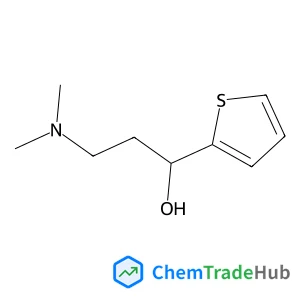
CAS Number
Related Products
amino}butanoic acid](https://static.chemtradehub.com/structs/221/221124-57-8-c784.webp)
![1-Cyclopropyl-8-methyl-7-[5-methyl-6-(methylamino)-3-pyridinyl]-4-oxo-1,4-dihydro-3-quinolinecarboxylic acid](https://static.chemtradehub.com/structs/245/245765-41-7-85ad.webp)
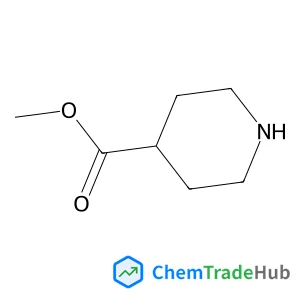
Methyl 4-piperidinecarboxylate
CAS Number: 2971-79-1
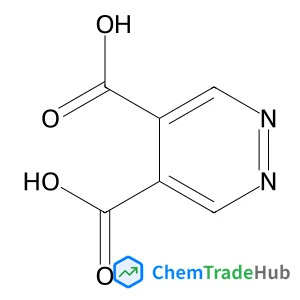
4,5-Pyridazinedicarboxylic acid
CAS Number: 59648-14-5
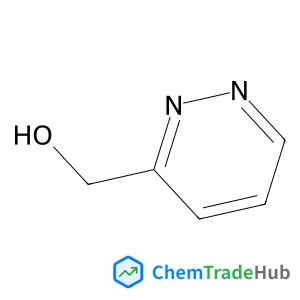
pyridazin-3-ylmethanol
CAS Number: 37444-46-5
![N-[4-(Trifluoromethoxy)phenyl]acetamide](https://static.chemtradehub.com/structs/173/1737-06-0-69aa.webp)
N-[4-(Trifluoromethoxy)phenyl]acetamide
CAS Number: 1737-06-0
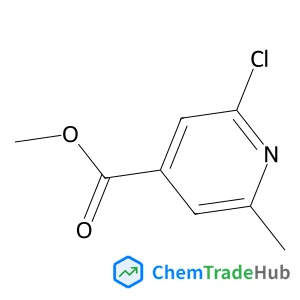
Methyl 2-chloro-6-methylisonicotinate
CAS Number: 3998-90-1
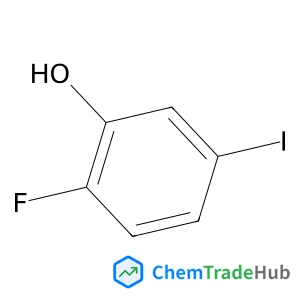
2-Fluoro-5-iodophenol
CAS Number: 186589-89-9
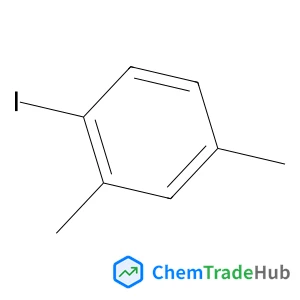
1-Iodo-2,4-dimethylbenzene
CAS Number: 4214-28-2
Other Suppliers for 3-(Dimethylamino)-1-(2-thienyl)-1-propanol






Basic Information
Molecular Formula
C9H15NOS
Molecular Weight
185.29 g/mol
Physical State
No data available
Physical Properties
Melting Point
70.0 to 74.0 deg-C
Boiling Point
290 ºC
Flash Point
129 ºC
Chemical Identifiers
SMILES
CN(C)CCC(C1=CC=CS1)O
InChIKey
XWCNSHMHUZCRLN-UHFFFAOYSA-N
Database References
MDL Number
MFCD09701963
FAQ
The compound 3-(Dimethylamino)-1-(2-thienyl)-1-propanol (CAS: 13636-02-7) falls under various regulatory guidelines including the Globally Harmonized System of Classification and Labeling of Chemicals (GHS), REACH regulations for the European Union, and FDA/EPA guidelines for use in pharmaceuticals and environmental safety. It is classified as a non-flammable liquid with moderate toxicity. Proper storage, handling, and disposal methods should be followed to ensure compliance with local and international regulations.
Are there alternatives to 3-(Dimethylamino)-1-(2-thienyl)-1-propanol (CAS: 13636-02-7) in synthesis?
In the synthesis of related compounds, 3-(Dimethylamino)-1-(2-thienyl)-1-propanol (CAS: 13636-02-7) may be replaced by similar thiophene derivatives or other amino alcohol compounds. Common alternatives include 2-thiophenecarboxaldehyde, dimethylamine, or related thiophene analogs. These alternatives offer similar functional groups and can be used in various synthetic pathways.
The market for 3-(Dimethylamino)-1-(2-thienyl)-1-propanol (CAS: 13636-02-7) is driven by its applications in pharmaceuticals and agrochemicals. Research trends indicate a growing interest in developing novel compounds with improved efficacy and reduced toxicity. The compound is also being explored for its potential in anti-inflammatory and anti-cancer applications. Market trends suggest steady demand with a focus on sustainable and eco-friendly production methods.
How should waste containing 3-(Dimethylamino)-1-(2-thienyl)-1-propanol (CAS: 13636-02-7) be handled?
Waste containing 3-(Dimethylamino)-1-(2-thienyl)-1-propanol (CAS: 13636-02-7) should be collected in appropriate containers and stored separately to prevent contamination. Incineration or professional waste disposal services are recommended for this waste. Environmental protection measures include ensuring that disposal methods comply with local regulations and guidelines to minimize environmental impact. Proper labeling and documentation of waste disposal are essential for compliance and safety.
Safety Notice
Please verify product specifications and safety data before use. Contact the supplier for detailed safety information.
Always follow proper handling procedures

Contact Information
3007522982@qq.com
Mobile
18117592386
Telephone
021-57481218
Fax
无
Visit Website
https://www.acmec-e.com