



AD
1,3-Bis(bromomethyl)benzene(CAS: 626-15-3)
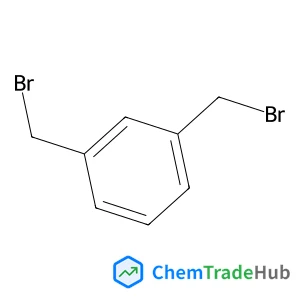
CAS Number
Related Products
![2-[(1S)-4-Methyl-3-cyclohexen-1-yl]-2-propanol](https://static.chemtradehub.com/structs/104/10482-56-1-9412.webp)
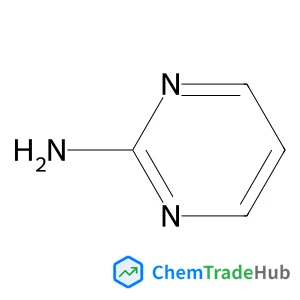
2(1H)-Pyrimidinimine
CAS Number: 109-12-6
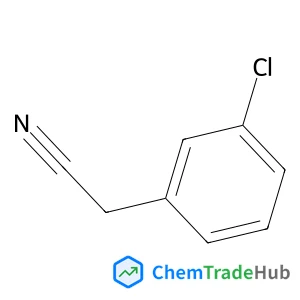
(3-Chlorophenyl)acetonitrile
CAS Number: 1529-41-5
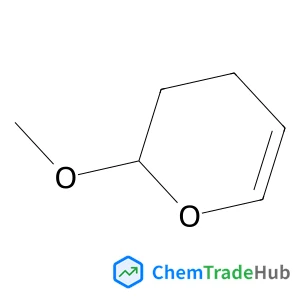
2-methoxy-3,4-dihydro-2H-pyran
CAS Number: 4454-05-1
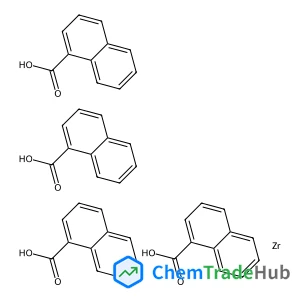
Zirconium(4+) tetra(1-naphthoate)
CAS Number: 72854-21-8
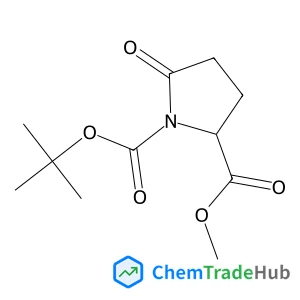
Other Suppliers for 1,3-Bis(bromomethyl)benzene





Basic Information
Molecular Formula
C8H8Br2
Molecular Weight
263.96 g/mol
Physical Properties
Melting Point
75.0 to 78.0 deg-C
Boiling Point
140°C/20mmHg(lit.)
Density
1.9590
Flash Point
138.1 °C
Water Solubility
Insoluble in water.
Chemical Identifiers
SMILES
C1=CC(=CC(=C1)CBr)CBr
InChIKey
OXHOPZLBSSTTBU-UHFFFAOYSA-N
Database References
MDL Number
MFCD00000178
Beilstein Registry Number
971085
FAQ
1,3-Bis(bromomethyl)benzene (CAS: 626-15-3) falls under the scope of the REACH regulation in the European Union, which requires manufacturers and importers to register substances with the European Chemicals Agency. In the U.S., the Environmental Protection Agency (EPA) may require reporting under Toxic Substances Control Act (TSCA). Additionally, it is classified as a hazardous substance according to the GHS, with specific hazardous properties such as flammability and reactivity. Ensure compliance with local and national regulations before handling and disposing of this substance.
Synthesizers often look for alternatives to 1,3-Bis(bromomethyl)benzene (CAS: 626-15-3) due to its toxicity and reactivity. Brominated aromatics like 2,4-dibromotoluene and 1,3-dibromophenol can be considered as substitutes. Additionally, using less toxic brominating agents such as N-bromosuccinimide (NBS) can be a safer alternative in some reactions. These alternatives can help reduce the environmental impact and improve safety during synthesis.
The market for 1,3-Bis(bromomethyl)benzene (CAS: 626-15-3) is declining due to its hazardous nature and the push towards the use of more environmentally friendly compounds. However, research trends indicate a growing interest in its applications in flame retardants and as intermediates in the synthesis of other brominated compounds. Pharmaceutical and agrochemical industries are exploring safer alternatives, but 1,3-Bis(bromomethyl)benzene still plays a role in niche applications. Understanding these trends is crucial for both researchers and manufacturers.
Waste containing 1,3-Bis(bromomethyl)benzene (CAS: 626-15-3) should be managed according to hazardous waste regulations. Collect waste in appropriate containers and label them with the hazardous waste symbol. Incineration is a common disposal method, but ensure it is conducted at an authorized facility that meets emission standards. Alternatively, professional waste disposal services can handle the substance safely. Always follow local regulations and guidelines to ensure environmental protection and worker safety during disposal.
Safety Notice
Please verify product specifications and safety data before use. Contact the supplier for detailed safety information.
Always follow proper handling procedures
Contact Information
Contact Person
Manager Sun
13914000513@163.com
Mobile
13914000513
Visit Website
http://www.jsczhg.com/Address
Jiangsu Province Suzhou City