



AD
1,13-Tridecanediol(CAS: 13362-52-2)
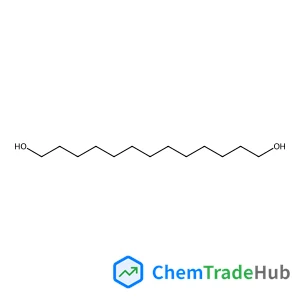
CAS Number
Related Products
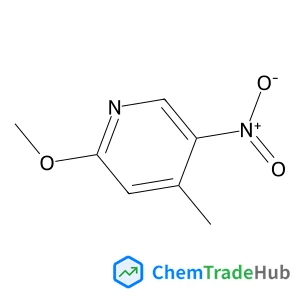
2-Methoxy-4-methyl-5-nitropyridine
CAS Number: 6635-90-1
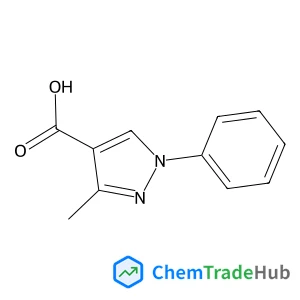
![N-[4-(4-Fluorophenyl)-5-(hydroxymethyl)-6-isopropyl-2-pyrimidinyl]-N-methylmethanesulfonamide](https://static.chemtradehub.com/structs/147/147118-36-3-8396.webp)
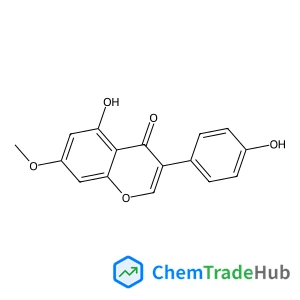
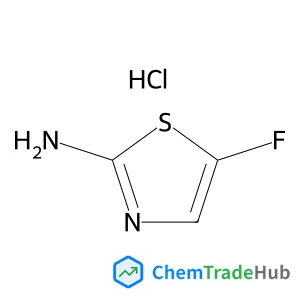
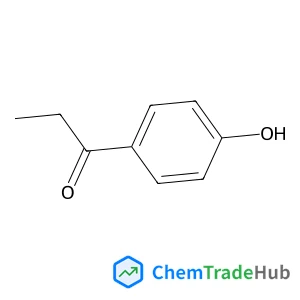
1-(4-Hydroxyphenyl)-1-propanone
CAS Number: 70-70-2
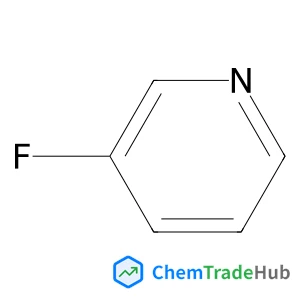
3-Fluoropyridine
CAS Number: 372-47-4
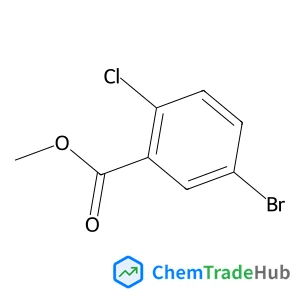
Methyl 5-bromo-2-chlorobenzoate
CAS Number: 251085-87-7
![5-Chloro-3-nitropyrazolo[1,5-a]pyrimidine](https://static.chemtradehub.com/structs/136/1363380-51-1-6292.webp)
Other Suppliers for 1,13-Tridecanediol






Basic Information
Molecular Formula
C13H28O2
Molecular Weight
216.36 g/mol
Physical Properties
Melting Point
76.6°C
Boiling Point
288.31°C (rough estimate)
Flash Point
343.889 °C at 760 mmHg
Chemical Identifiers
SMILES
C(CCCCCCO)CCCCCCO
InChIKey
HCEPYODGJFPWOI-UHFFFAOYSA-N
Database References
MDL Number
MFCD00482067
FAQ
1,13-Tridecanediol (CAS: 13362-52-2) falls under the regulation of the Globally Harmonized System of Classification and Labelling of Chemicals (GHS). It also adheres to the Registration, Evaluation, Authorisation and Restriction of Chemicals (REACH) regulations in the EU. For FDA and EPA, it is categorized based on its specific use and potential health and environmental impacts. It is important to consult the latest regulatory guidelines for precise classification and handling rules.
Yes, there are alternatives to 1,13-Tridecanediol (CAS: 13362-52-2) for synthesis, such as other diols with similar chain lengths or different functional groups. Isomers or analogs like 1,12-Tridecanediol or 1,14-Tetradecanediol can be used depending on the specific requirements of the synthesis. Common alternative reagents include glycols or diols with different molecular weights.
The market for 1,13-Tridecanediol (CAS: 13362-52-2) is growing due to its use in various applications such as plasticizers, surfactants, and personal care products. Research trends are focusing on its green chemistry applications and sustainable production methods. Market trends indicate increasing demand from industries that require biodegradable and eco-friendly materials.
Waste containing 1,13-Tridecanediol (CAS: 13362-52-2) should be collected in appropriate containers and stored in a well-ventilated area away from sources of ignition. Incineration can be a suitable method for disposal, but it should be conducted by a professional waste disposal service. Environmental protection precautions include proper labeling, minimal environmental exposure, and adherence to local regulations regarding hazardous waste management.
Safety Notice
Please verify product specifications and safety data before use. Contact the supplier for detailed safety information.
Always follow proper handling procedures
Contact Information
Contact Person
Manager Zhang
supplychain@witofly.com