



AD
Dl-homocystine(CAS: 870-93-9)
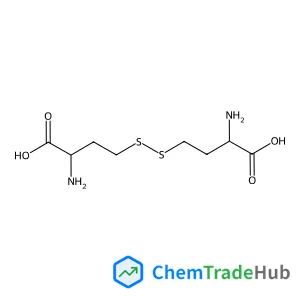
CAS Number
Related Products
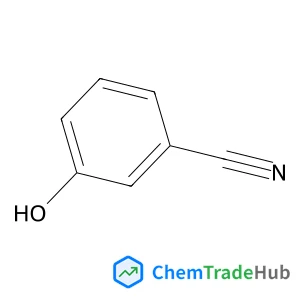
M-cyanophenol
CAS Number: 873-62-1
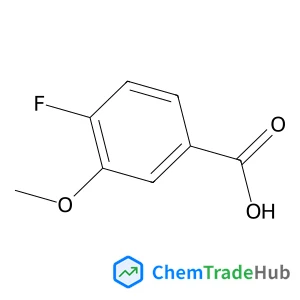
4-Fluoro-3-methoxybenzoic acid
CAS Number: 82846-18-2
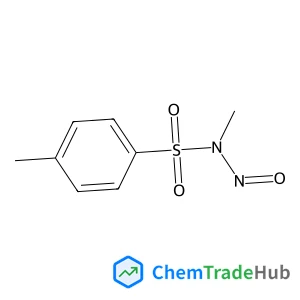
N-Methyl-N-nitrosotoluene-4-sulphonamide
CAS Number: 80-11-5
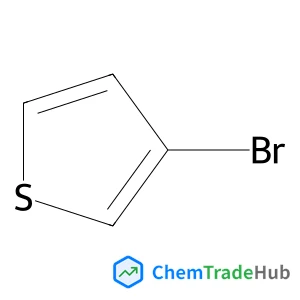
3-Bromothiophene
CAS Number: 872-31-1
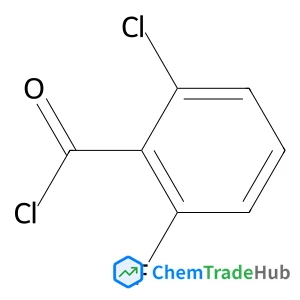
2-Chloro-6-fluorobenzoyl chloride
CAS Number: 79455-63-3
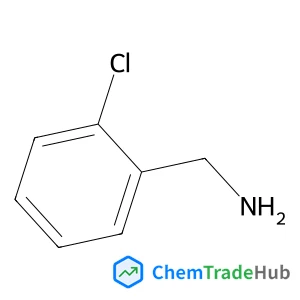
1-(2-Chlorophenyl)methanamine
CAS Number: 89-97-4
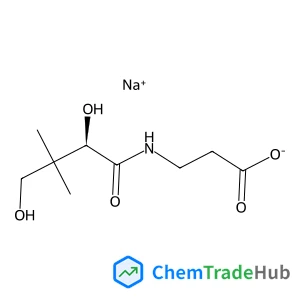
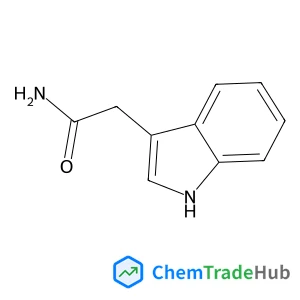
2-(1H-Indol-3-yl)ethanimidic acid
CAS Number: 879-37-8
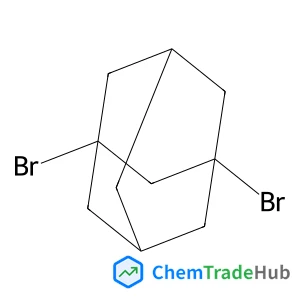
1,3-Dibromoadamantane
CAS Number: 876-53-9
Other Suppliers for Dl-homocystine





Basic Information
Molecular Formula
C8H16N2O4S2
Molecular Weight
268.36 g/mol
Physical Properties
Melting Point
>300 ºC
Boiling Point
507.6±50.0°C at 760 mmHg
Density
1.4269 (rough estimate)
Flash Point
260.8 °C
Chemical Identifiers
SMILES
NC(CCSSCCC(C(O)=O)N)C(O)=O
InChIKey
ZTVZLYBCZNMWCF-UHFFFAOYSA-N
Database References
MDL Number
MFCD00069587
Beilstein Registry Number
1728581
FAQ
Dl-homocystine (CAS: 870-93-9) is a sulfur-containing amino acid derivative with the chemical formula C5H11NO2S. It is a disulfide compound formed by the oxidation of homocysteine and is used in biochemical research to study amino acid metabolism and related disorders. Its structure and properties make it relevant in understanding homocystinuria and other metabolic conditions.
Dl-homocystine (CAS: 870-93-9) is primarily used in research to investigate metabolic pathways and neurological disorders. It also serves as a reagent in pharmaceutical and industrial applications for synthesizing compounds. Additionally, it is studied in the context of dietary amino acid metabolism and its impact on health, though direct use in food is limited.
Dl-homocystine (CAS: 870-93-9) is toxic in high concentrations and can cause harm if ingested or inhaled. Safety precautions include handling in a well-ventilated area and using protective gloves and goggles. It is classified as a hazardous substance under certain regulations, requiring adherence to safety standards to minimize exposure risks.
Dl-homocystine (CAS: 870-93-9) should be stored in a cool, dry place away from light and moisture. Keep in a sealed container to maintain stability, and ensure it is stored in a well-ventilated area to prevent degradation. Avoid exposure to air and heat to preserve its chemical integrity.
Safety Notice
Please verify product specifications and safety data before use. Contact the supplier for detailed safety information.
Always follow proper handling procedures
Contact Information
pinghushizy@163.com