



AD
2-Methyl-2-propanyl (4-aminophenyl)carbamate(CAS: 71026-66-9)
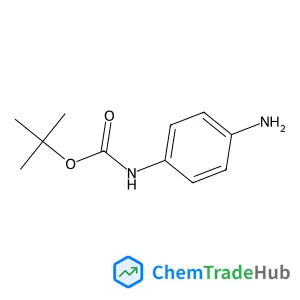
CAS Number
Related Products
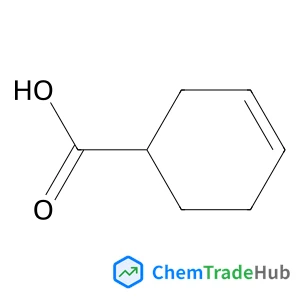
(1S)-3-Cyclohexene-1-carboxylic acid
CAS Number: 5708-19-0
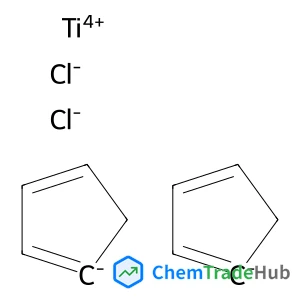
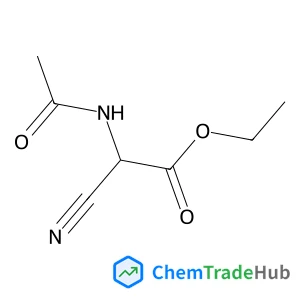
Ethyl Acetamidocyanoacetate
CAS Number: 4977-62-2
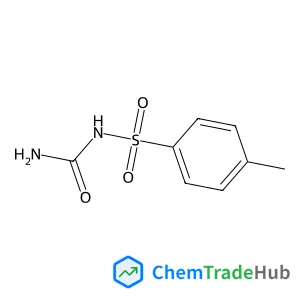
N-Carbamoyl-4-methylbenzenesulfonamide
CAS Number: 1694-06-0
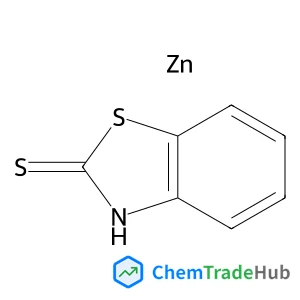
Zinc bis(1,3-benzothiazole-2-thiolate)
CAS Number: 155-04-4
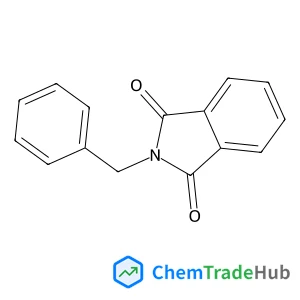
2-Benzyl-1H-isoindole-1,3(2H)-dione
CAS Number: 2142-01-0
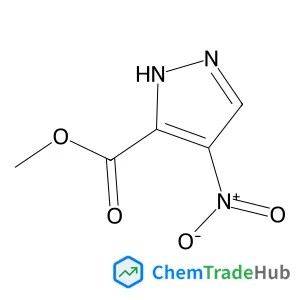
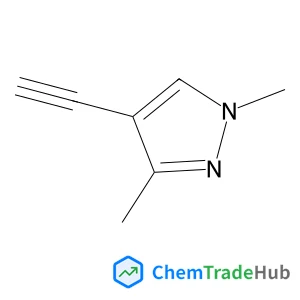
4-Ethynyl-1,3-dimethyl-1H-pyrazole
CAS Number: 61514-53-2
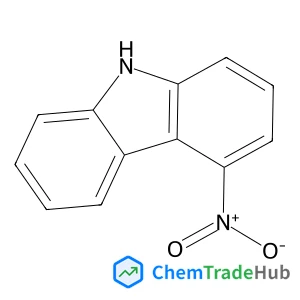
1-Nitro-9H-carbazole
CAS Number: 57905-76-7
Other Suppliers for 2-Methyl-2-propanyl (4-aminophenyl)carbamate


Basic Information
Molecular Formula
C11H16N2O2
Molecular Weight
208.26 g/mol
Physical State
Yellow to Brown Solid
Physical Properties
Melting Point
114.0 to 118.0 deg-C
Chemical Identifiers
SMILES
CC(C)(C)OC(=O)NC1=CC=C(C=C1)N
InChIKey
WIVYTYZCVWHWSH-UHFFFAOYSA-N
Database References
MDL Number
MFCD00043022
FAQ
2-Methyl-2-propanyl (4-aminophenyl)carbamate is a solid compound with a crystalline form. Its molecular weight is approximately 231.28 g/mol. It is slightly soluble in water but more soluble in organic solvents like ethanol and acetone. Chemically, it is reactive towards acids and bases. It is stable under normal conditions but should be stored in a closed container away from strong acids and bases.
2-Methyl-2-propanyl (4-aminophenyl)carbamate is synthesized through an amide coupling reaction. Typically, 2-propanol is reacted with 4-aminophenyl isocyanate in the presence of a coupling agent like 4-dimethylaminopyridine (DMAP) and a base such as triethylamine. The reaction is carried out at room temperature and provides a good yield with high selectivity.
2-Methyl-2-propanyl (4-aminophenyl)carbamate is used in the pharmaceutical industry for the synthesis of certain drugs. It is also applicable in the polymer industry for the modification of polymer properties. Additionally, it can be used in the development of sensors and as a precursor in semiconductor manufacturing processes.
When handling 2-Methyl-2-propanyl (4-aminophenyl)carbamate, it is recommended to wear appropriate personal protective equipment (PPE) such as gloves, goggles, and a lab coat. The compound should be handled under a fume hood to avoid inhalation. Spills should be cleaned up using a suitable absorbent material and the area should be flushed with water. Always refer to the Safety Data Sheet (SDS) for detailed emergency procedures and storage guidelines.
Safety Notice
Please verify product specifications and safety data before use. Contact the supplier for detailed safety information.
Always follow proper handling procedures
Contact Information
jacschem@163.com