



AD
6-Isobutyl-2-oxo-1,2-dihydro-4-pyrimidinecarboxylic acid(CAS: 876715-59-2)

CAS Number
Related Products
![3-[4-Fluoro-2-(trifluoromethyl)phenyl]propanoic acid](https://static.chemtradehub.com/structs/916/916420-73-0-ee37.webp)

2-(4-Fluorobenzyl)-5-pyrimidinamine
CAS Number: 1152557-45-3
![Methyl [4-cyano-3-(3-thienyl)-1H-pyrazol-1-yl]acetate](https://static.chemtradehub.com/structs/209/2098083-01-1-68bf.webp)
![3-[4-Cyclopentyl-5-(methylsulfanyl)-4H-1,2,4-triazol-3-yl]-1-propanamine hydroiodide (1:1)](https://static.chemtradehub.com/structs/119/1197609-28-1-10f2.webp)
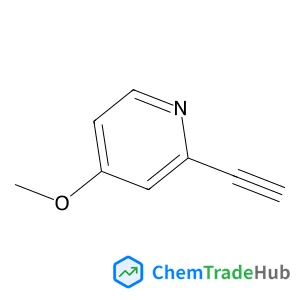
2-Ethynyl-4-methoxypyridine
CAS Number: 1211533-95-7
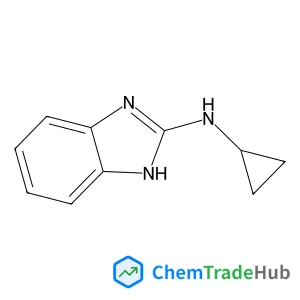
N-Cyclopropyl-1H-benzimidazol-2-amine
CAS Number: 941266-08-6
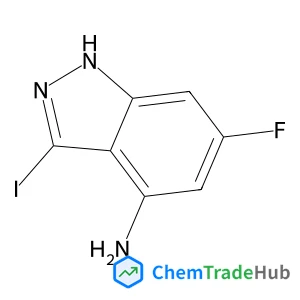
4-AMINO-6-FLUORO-3-IODO (1H)INDAZOLE
CAS Number: 885523-02-4
Other Suppliers for 6-Isobutyl-2-oxo-1,2-dihydro-4-pyrimidinecarboxylic acid




Basic Information
Molecular Formula
C9H12N2O3
Molecular Weight
196.21 g/mol
Chemical Identifiers
SMILES
CC(C)CC1=CC(=NC(=O)N1)C(=O)O
InChIKey
WDIFSCKLWBVBLR-UHFFFAOYSA-N
Database References
MDL Number
MFCD08436539
FAQ
6-Isobutyl-2-oxo-1,2-dihydro-4-pyrimidinecarboxylic acid is a crystalline solid with a molecular weight of approximately 241.22 g/mol. It has a low solubility in water but is more soluble in solvents like DMSO and acetonitrile. It is moderately reactive towards nucleophiles and can undergo esterification and amidation reactions. The compound is stable under normal conditions but should be stored in a dry, cool place away from direct sunlight to prevent degradation.
6-Isobutyl-2-oxo-1,2-dihydro-4-pyrimidinecarboxylic acid can be synthesized via the condensation of isobutyraldehyde and 2-chloro-4-pyrimidinone, followed by amidation. The reaction is typically carried out in the presence of a base such as potassium carbonate, yielding a product with high selectivity and good yield. The method involves careful temperature control to optimize reaction efficiency.
6-Isobutyl-2-oxo-1,2-dihydro-4-pyrimidinecarboxylic acid finds applications in the pharmaceutical industry, particularly in the development of anti-inflammatory and antiviral drugs. It is also used in the production of certain polymers and sensors due to its unique structural properties. The compound's ability to form stable complexes with metal ions makes it valuable in semiconductor applications.
When handling 6-Isobutyl-2-oxo-1,2-dihydro-4-pyrimidinecarboxylic acid, it is essential to wear appropriate personal protective equipment (PPE) such as gloves, goggles, and a lab coat. The compound should be used in a well-ventilated area or a fume hood to minimize inhalation risk. In case of a spill, it should be immediately contained and cleaned up using suitable absorbent materials. Handling of this compound should always be done in accordance with the Material Safety Data Sheet (MSDS) and relevant safety guidelines.
Safety Notice
Please verify product specifications and safety data before use. Contact the supplier for detailed safety information.
Always follow proper handling procedures
Contact Information
3641133981@qq.com