



AD
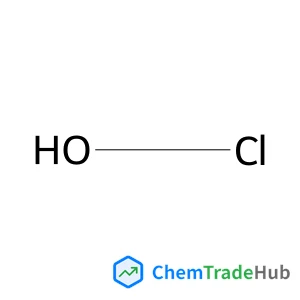
Hypochlorous acid(CAS: 7790-92-3)
CAS Number
Related Products
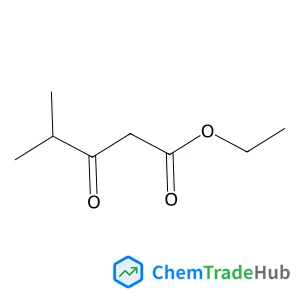
Ethyl 4-methyl-3-oxopentanoate
CAS Number: 7152-15-0
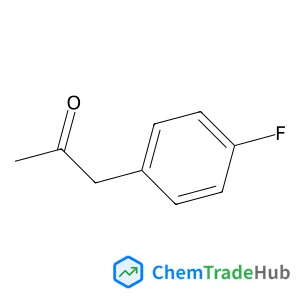
1-(4-Fluorophenyl)acetone
CAS Number: 459-03-0
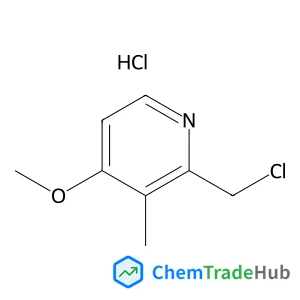
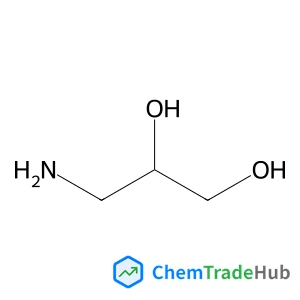
3-Amino-1,2-propanediol
CAS Number: 616-30-8
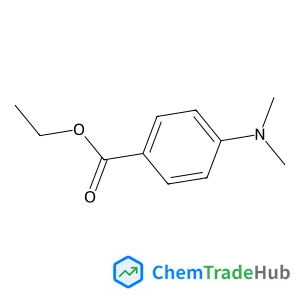
Ethyl 4-(dimethylamino)benzoate
CAS Number: 10287-53-3
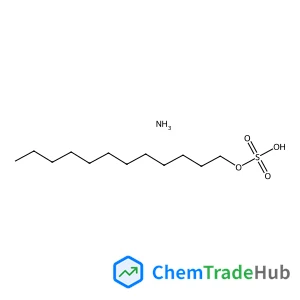
Ammonium dodecyl sulfate
CAS Number: 2235-54-3
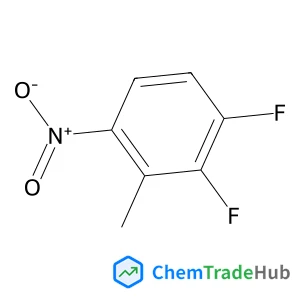
1,2-Difluoro-3-methyl-4-nitrobenzene
CAS Number: 914348-35-9
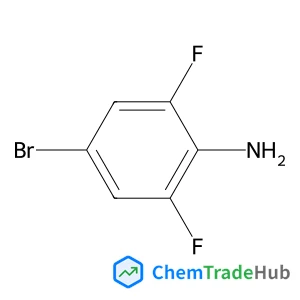
Abemaciclib Impurity 6
CAS Number: 67567-26-4
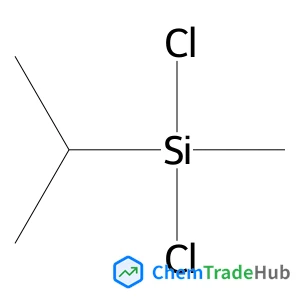
Dichloro(isopropyl)methylsilane
CAS Number: 18236-89-0
Other Suppliers for Hypochlorous acid






Basic Information
Molecular Formula
HClO
Molecular Weight
52.46 g/mol
Chemical Identifiers
SMILES
OCl
InChIKey
QWPPOHNGKGFGJK-UHFFFAOYSA-N
Database References
MDL Number
MFCD00871734
FAQ
Hypochlorous acid (CAS: 7790-92-3) falls under the purview of several regulatory frameworks. It is classified as a hazardous substance under the Globally Harmonized System of Classification and Labeling of Chemicals (GHS). According to REACH regulations, manufacturers and importers must register the substance if it is produced or imported in quantities above one tonne per year. The U.S. Environmental Protection Agency (EPA) and the Food and Drug Administration (FDA) also have specific requirements for its use, handling, and storage, particularly in relation to its disinfectant properties.
Yes, there are alternatives to hypochlorous acid in synthesis (CAS: 7790-92-3). Some common alternatives include sodium hypochlorite, calcium hypochlorite, and chlorine gas. These alternatives are often used in industrial applications where hypochlorous acid is not feasible due to its concentration and stability issues. Isomers and analogs like chloramine T can also serve as effective substitutes in certain chemical processes.
The market for hypochlorous acid (CAS: 7790-92-3) is experiencing growing interest, particularly in its application as a disinfectant and in medical treatments. Research trends are focusing on its use in water purification, food safety, and wound care. Additionally, there is an increasing focus on developing stable forms of hypochlorous acid for broader applications. Market dynamics are driven by rising consumer awareness of health and hygiene, leading to a higher demand for this versatile compound.
Waste containing hypochlorous acid (CAS: 7790-92-3) should be handled with care to ensure safety and environmental protection. Waste should be collected in leak-proof containers and stored in a secure, well-ventilated area. Disposal should be done through a licensed hazardous waste management company to comply with local and national regulations. Incineration is a common method, but it must be conducted under controlled conditions to prevent the release of harmful gases. Additionally, neutralization with a non-hazardous base can be used to reduce the acidity before disposal.
Safety Notice
Please verify product specifications and safety data before use. Contact the supplier for detailed safety information.
Always follow proper handling procedures
Contact Information
Contact Person
Yang Qin
1462312301@qq.com