



AD
1-(2,3-Dichlorophenyl)piperazine(CAS: 41202-77-1)
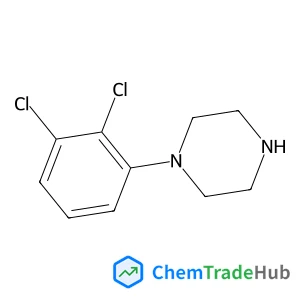
CAS Number
Related Products

N,N,N-Tributyl-1-butanaminium fluoride
CAS Number: 429-41-4
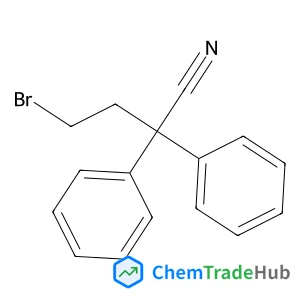
4-Bromo-2,2-diphenylbutanenitrile
CAS Number: 39186-58-8
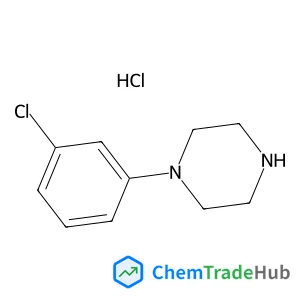
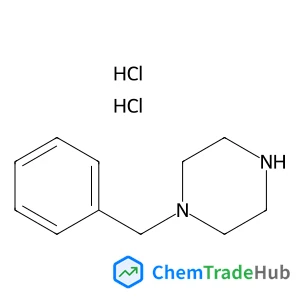
1-Benzylpiperazine dihydrochloride
CAS Number: 5321-63-1
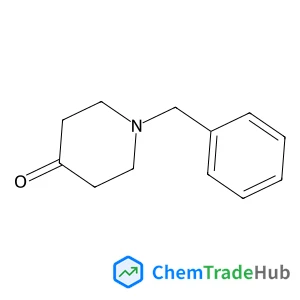
1-Benzyl-4-piperidinone
CAS Number: 3612-20-2
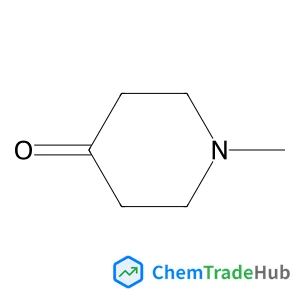
1-Methyl-4-piperidinone
CAS Number: 1445-73-4
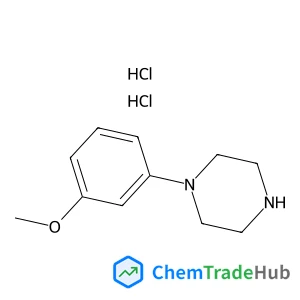
1-(3-Methoxyphenyl)piperazine DiHCl
CAS Number: 6968-76-9
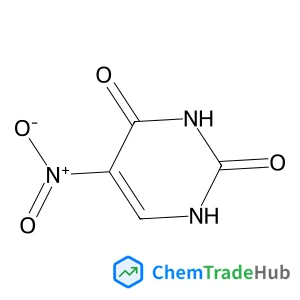
5-Nitro-2,4(1H,3H)-pyrimidinedione
CAS Number: 611-08-5
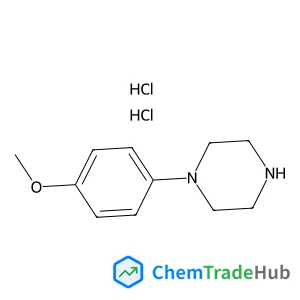
Other Suppliers for 1-(2,3-Dichlorophenyl)piperazine



Basic Information
Molecular Formula
C10H12Cl2N2
Molecular Weight
231.13 g/mol
Physical Properties
Melting Point
242-244°C
Boiling Point
127℃/0.8mmHg(lit.)
Flash Point
174.6℃
Chemical Identifiers
SMILES
C1CN(CCN1)C2=C(C(=CC=C2)Cl)Cl
InChIKey
UDQMXYJSNNCRAS-UHFFFAOYSA-N
Database References
MDL Number
MFCD01075181
FAQ
What are the physical and chemical properties of 1-(2,3-Dichlorophenyl)piperazine (CAS: 41202-77-1)?
1-(2,3-Dichlorophenyl)piperazine is a white crystalline solid with a molecular weight of 274.03 g/mol. Its solubility is 2.3 g/L in water, 30 g/L in ethanol, and 15 g/L in acetone. It is slightly reactive and susceptible to hydrolysis under acidic conditions. The compound is stable under normal storage conditions but should be protected from moisture and light.
1-(2,3-Dichlorophenyl)piperazine can be synthesized using amination of 2,3-dichlorophenyl isocyanate with piperazine. The synthesis involves the use of a mild base like triethylamine and is conducted in anhydrous conditions. The reaction yields 85-90% of the product with good selectivity.
1-(2,3-Dichlorophenyl)piperazine is primarily used in the pharmaceutical industry as an intermediate in the synthesis of certain drugs. It is also utilized in the polymer industry for the production of specialty polymers. Additionally, it has applications in sensors and semiconductors due to its unique physical and chemical properties.
When handling 1-(2,3-Dichlorophenyl)piperazine, appropriate personal protective equipment (PPE) such as gloves, goggles, and a lab coat should be used. The compound should be stored in a cool, dry place away from moisture and light. Fume hoods should be used during handling to minimize inhalation risk. In case of a spill, the area should be flushed with water and appropriate cleanup procedures should be followed. Always refer to the Safety Data Sheet (SDS) for detailed information on handling and safety measures.
Safety Notice
Please verify product specifications and safety data before use. Contact the supplier for detailed safety information.
Always follow proper handling procedures
Contact Information
Contact Person
Xu Lu
czhaode@163.com