



AD
Quinine Hydrochloride(CAS: 130-89-2)
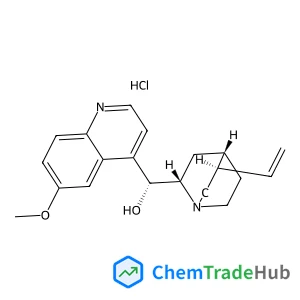
CAS Number
Related Products
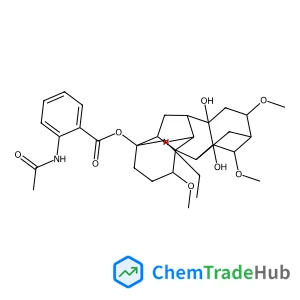
Lappaconitine
CAS Number: 32854-75-4
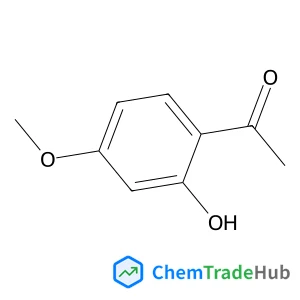
1-(2-Hydroxy-4-methoxyphenyl)ethanone
CAS Number: 552-41-0


Asiaticoside
CAS Number: 16830-15-2

3,4,5-Trihydroxybenzoic acid
CAS Number: 149-91-7
![(2E)-1-[2,4-Dihydroxy-6-methoxy-3-(3-methyl-2-buten-1-yl)phenyl]-3-(4-hydroxyphenyl)-2-propen-1-one](https://static.chemtradehub.com/structs/675/6754-58-1-9317.webp)
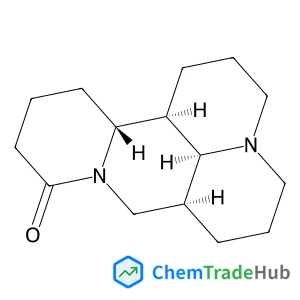
Matridin-15-one
CAS Number: 519-02-8

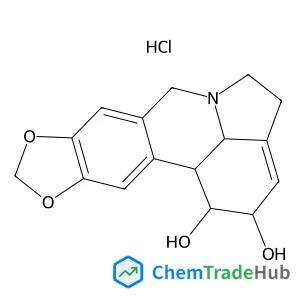
Lycorine hydrochloride
CAS Number: 2188-68-3
Other Suppliers for Quinine Hydrochloride



Basic Information
Molecular Formula
C20H25ClN2O2
Molecular Weight
360.89 g/mol
Physical State
Powder
Physical Properties
Melting Point
150-160°C
Chemical Identifiers
SMILES
Cl.COc1ccc2nccc([C@@H](O)[C@@H]3C[C@@H]4CCN3C[C@@H]4C=C)c2c1
InChIKey
LBSFSRMTJJPTCW-DSXUQNDKSA-N
Database References
MDL Number
MFCD00078498
Beilstein Registry Number
91867
FAQ
Quinine hydrochloride is an alkaloid with the chemical formula C20H24N2O2·HCl. It is a white crystalline substance with a bitter taste and a distinctive smell. It is highly soluble in water and less soluble in ethanol. It is best known for its antimalarial properties and is also used in the treatment of post-dural puncture headache and intermittent claudication.
Quinine hydrochloride is primarily used as an antimalarial medication. It is also used to treat post-dural puncture headache and intermittent claudication. In pharmaceuticals, it is often included in combination drugs. Additionally, it has been used experimentally in research for various conditions related to its anti-inflammatory, antipyretic, and anti-arrhythmic properties.
Quinine hydrochloride is generally considered safe when used as directed. However, it can cause side effects such as dizziness, nausea, and hypoglycemia. It should be used with caution, especially in individuals with kidney or liver disease. Pregnant and breastfeeding women should avoid it. Always consult a healthcare provider before using quinine hydrochloride.
Quinine hydrochloride should be stored in a dry place away from light and moisture. It should be kept in a tightly closed container to prevent moisture absorption. The storage temperature should be below 30°C (86°F) to maintain its efficacy. Avoid direct sunlight and high humidity, as these conditions can degrade the compound. Storing it in a cool, dry place is recommended for optimal storage conditions.
Safety Notice
Please verify product specifications and safety data before use. Contact the supplier for detailed safety information.
Always follow proper handling procedures