



AD
Bis(2,4,6-trichlorophenyl) oxalate(CAS: 1165-91-9)
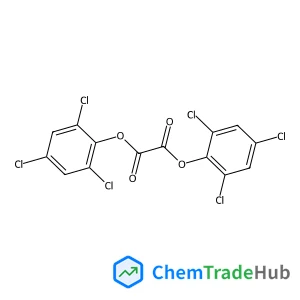
CAS Number
Related Products
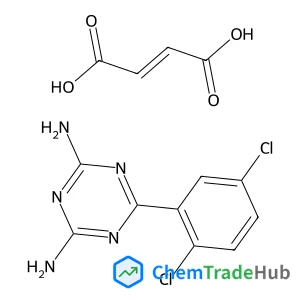
Irsogladine Maleate
CAS Number: 84504-69-8
![4-[2-(Dipropylamino)ethyl]-1,3-dihydro-2H-indol-2-one hydrochloride (1:1)](https://static.chemtradehub.com/structs/913/91374-20-8-5c78.webp)
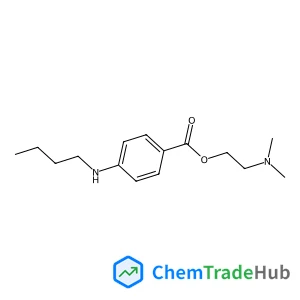
Tetracaine
CAS Number: 94-24-6
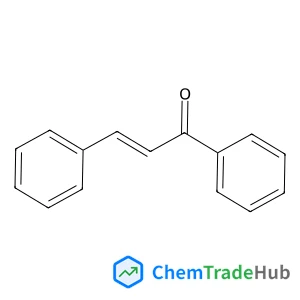
(2E)-1,3-Diphenyl-2-propen-1-one
CAS Number: 614-47-1
![Isopropyl 2-[4-(4-chlorobenzoyl)phenoxy]-2-methylpropanoate](https://static.chemtradehub.com/structs/495/49562-28-9-d572.webp)
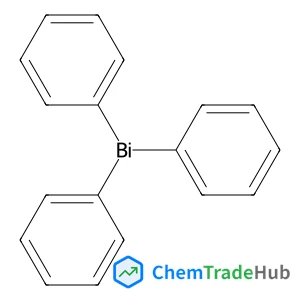
Triphenylbismuthine
CAS Number: 603-33-8
Other Suppliers for Bis(2,4,6-trichlorophenyl) oxalate





Basic Information
Molecular Formula
C14H4Cl6O4
Molecular Weight
448.9 g/mol
Physical Properties
Melting Point
188.0 to 193.0 deg-C
Boiling Point
556.17°C (rough estimate)
Flash Point
188-192 ºC
Chemical Identifiers
SMILES
C1=C(C=C(C(=C1Cl)OC(=O)C(=O)OC2=C(C=C(C=C2Cl)Cl)Cl)Cl)Cl
InChIKey
GEVPIWPYWJZSPR-UHFFFAOYSA-N
Database References
MDL Number
MFCD00043061
FAQ
Bis(2,4,6-trichlorophenyl) oxalate (CAS: 1165-91-9) is a crystalline solid with a molecular weight of approximately 406.09 g/mol. It is poorly soluble in water but soluble in many organic solvents. It exhibits high stability under normal conditions but can react with strong bases and acids. This compound has a melting point of around 210-215°C and is typically used in industrial applications requiring high thermal stability and chemical resistance.
Bis(2,4,6-trichlorophenyl) oxalate (CAS: 1165-91-9) is synthesized through the reaction of oxalic acid with 2,4,6-trichlorophenol. The synthesis typically involves careful control of temperature and pH to ensure the formation of the desired oxalate ester. The process yields a high purity product with good selectivity and a yield of about 85-90%. Commonly used solvents include toluene and dichloromethane.
Bis(2,4,6-trichlorophenyl) oxalate (CAS: 1165-91-9) is primarily used in the electronics industry for the production of high-temperature resistant polymers and as a heat stabilizer in semiconductor applications. It also finds application in the pharmaceutical industry for its unique thermal and chemical properties, making it ideal for use in controlled release drug formulations and sensor technologies.
When handling Bis(2,4,6-trichlorophenyl) oxalate (CAS: 1165-91-9), it is essential to use appropriate personal protective equipment (PPE) such as gloves, goggles, and a lab coat. This compound should be handled in a well-ventilated area or within a fume hood due to its potential to release volatile chlorine compounds. In case of spills, immediately clean up any contaminated areas using suitable absorbents and follow the safety data sheet (SDS) guidelines for disposal. Always refer to the most current SDS for specific handling instructions.
Safety Notice
Please verify product specifications and safety data before use. Contact the supplier for detailed safety information.
Always follow proper handling procedures
Contact Information
sales08@nwchemical.com