



AD
4-Amino-2-methylbenzoic acid(CAS: 2486-75-1)

CAS Number
Related Products
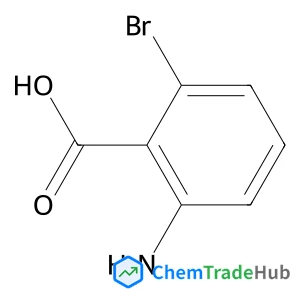
2-Amino-6-bromobenzoic acid
CAS Number: 20776-48-1
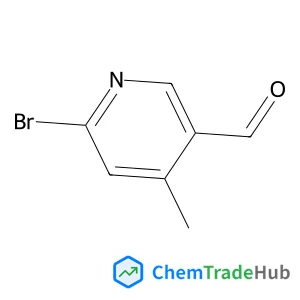
6-Bromo-4-methylnicotinaldehyde
CAS Number: 926294-07-7
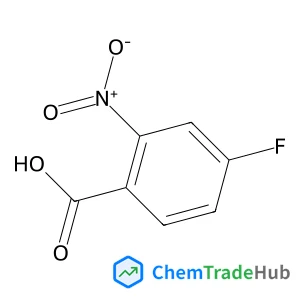
4-Fluoro-2-nitrobenzoic acid
CAS Number: 394-01-4

4-Fluoro-2-hydroxybenzoic acid
CAS Number: 345-29-9

2-Fluoro-3-methylbenzoic acid
CAS Number: 315-31-1
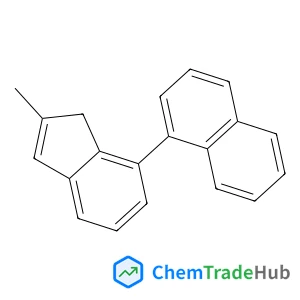
1-(2-Methyl-1H-inden-7-yl)naphthalene
CAS Number: 154380-68-4

2-Bromo-4,5-difluorobenzoic acid
CAS Number: 64695-84-7
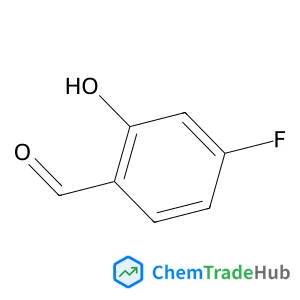
4-Fluoro-2-hydroxybenzaldehyde
CAS Number: 348-28-7
Other Suppliers for 4-Amino-2-methylbenzoic acid






Basic Information
Molecular Formula
C8H9NO2
Molecular Weight
151.17 g/mol
Physical State
Pale-yellow to Yellow-brown Solid
Physical Properties
Melting Point
160-165 °C
Boiling Point
377.2℃ at 760 mmHg
Density
1.254
Flash Point
159.1℃
Chemical Identifiers
SMILES
CC1=C(C=CC(=C1)N)C(=O)O
InChIKey
XRSQZFJLEPBPOZ-UHFFFAOYSA-N
Database References
MDL Number
MFCD06656133
FAQ
4-Amino-2-methylbenzoic acid is a crystalline solid with a molecular weight of approximately 185.18 g/mol. It has a pKa of about 4.3 and is slightly soluble in water. The compound is reactive towards acids and bases, and it can undergo substitution reactions under certain conditions. It is also known for its low volatility and stability under normal laboratory conditions.
4-Amino-2-methylbenzoic acid is typically synthesized through the condensation of 2-methylbenzoic acid with aniline in the presence of an acid catalyst, such as sulfuric acid. The reaction is conducted at elevated temperatures, and the yield is generally high, with good selectivity towards the desired product.
4-Amino-2-methylbenzoic acid finds application in various industries, including pharmaceuticals, where it serves as a precursor for drug synthesis, and in the chemical industry, where it is used in the preparation of dyes and other organic compounds. It is also utilized in the production of certain polymers and sensors.
When handling 4-Amino-2-methylbenzoic acid, proper Personal Protective Equipment (PPE) should be worn, including gloves, goggles, and a lab coat. Ensure laboratory practices are conducted in a well-ventilated area or a fume hood to minimize inhalation risks. Spills should be cleaned up immediately using appropriate absorbents, and the area should be rinsed thoroughly. Always consult the Safety Data Sheet (SDS) for detailed handling and disposal instructions.
Safety Notice
Please verify product specifications and safety data before use. Contact the supplier for detailed safety information.
Always follow proper handling procedures
Contact Information
sales@shdjyes.com