



AD
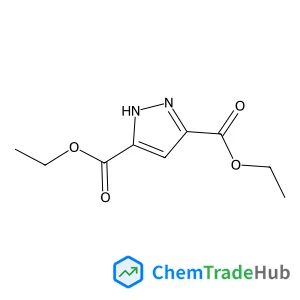
3,5-diethyl 1H-pyrazole-3,5-dicarboxylate(CAS: 37687-24-4)
CAS Number
Related Products
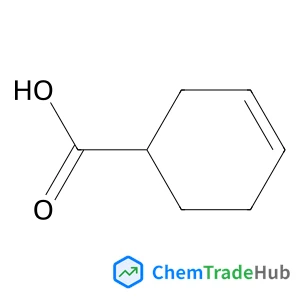
(1S)-3-Cyclohexene-1-carboxylic acid
CAS Number: 5708-19-0
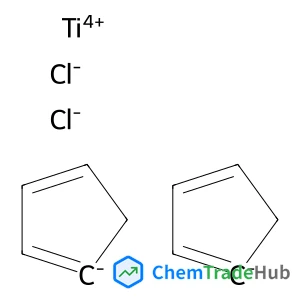
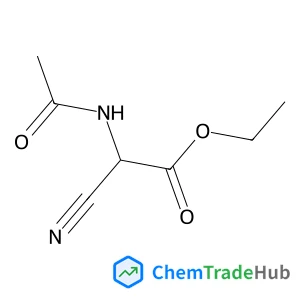
Ethyl Acetamidocyanoacetate
CAS Number: 4977-62-2
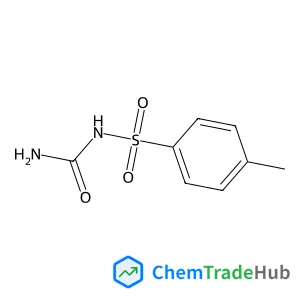
N-Carbamoyl-4-methylbenzenesulfonamide
CAS Number: 1694-06-0
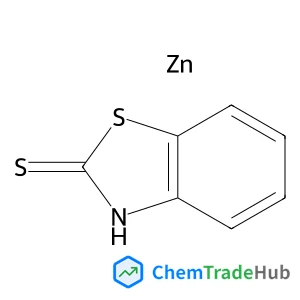
Zinc bis(1,3-benzothiazole-2-thiolate)
CAS Number: 155-04-4
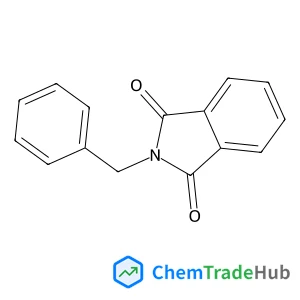
2-Benzyl-1H-isoindole-1,3(2H)-dione
CAS Number: 2142-01-0
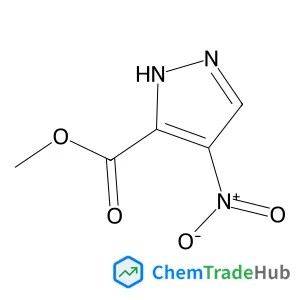
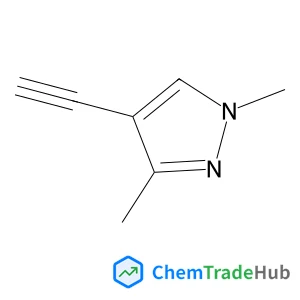
4-Ethynyl-1,3-dimethyl-1H-pyrazole
CAS Number: 61514-53-2
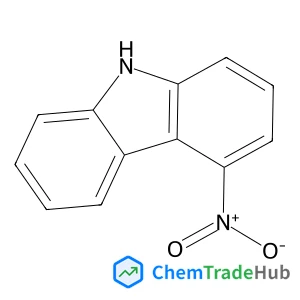
1-Nitro-9H-carbazole
CAS Number: 57905-76-7
Other Suppliers for 3,5-diethyl 1H-pyrazole-3,5-dicarboxylate





Basic Information
Molecular Formula
C9H12N2O4
Molecular Weight
212.2 g/mol
Physical Properties
Melting Point
52.0 to 57.0 deg-C
Boiling Point
362.5℃ at 760 mmHg
Flash Point
173ºC
Chemical Identifiers
SMILES
CCOC(=O)C1=CC(=NN1)C(=O)OCC
InChIKey
MBWXLICVQZUJOW-UHFFFAOYSA-N
Database References
MDL Number
MFCD00152167
FAQ
3,5-diethyl 1H-pyrazole-3,5-dicarboxylate is a white crystalline solid with a molecular weight of approximately 210.26 g/mol. It has a high solubility in organic solvents like dimethylformamide and moderate solubility in water. The compound exhibits good reactivity, particularly towards nucleophilic substitution and esterification reactions.
3,5-diethyl 1H-pyrazole-3,5-dicarboxylate is commonly synthesized via the reaction of a diethyl pyrazole with a dicarboxylic acid chloride or anhydride in a polar aprotic solvent like dichloromethane. The reaction typically proceeds with good yields and selectivity, often enhanced by the use of a base such as triethylamine.
3,5-diethyl 1H-pyrazole-3,5-dicarboxylate is used in various industries, including pharmaceuticals for its potential as a drug candidate, and in polymers for its ability to enhance certain physical properties. It is also utilized in the development of sensors and semiconductors due to its unique chemical structure.
Proper handling of 3,5-diethyl 1H-pyrazole-3,5-dicarboxylate requires the use of personal protective equipment (PPE) such as gloves, goggles, and a lab coat. It should be stored in a dry, well-ventilated area and handled in a fume hood to prevent inhalation. Spills should be cleaned up immediately using appropriate absorbents, and the area should be well-ventilated. Always refer to the Safety Data Sheet (SDS) for comprehensive handling guidelines.
Safety Notice
Please verify product specifications and safety data before use. Contact the supplier for detailed safety information.
Always follow proper handling procedures
Contact Information
jacschem@163.com