



AD
7-Chloro-1H-indole-3-carbaldehyde(CAS: 1008-07-7)
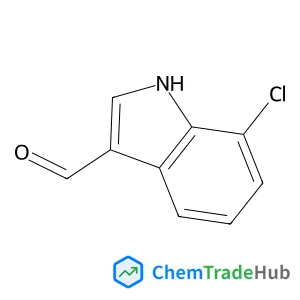
CAS Number
Related Products
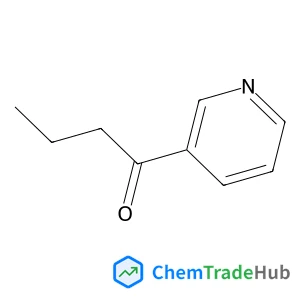
1-(3-Pyridinyl)-1-butanone
CAS Number: 1701-70-8
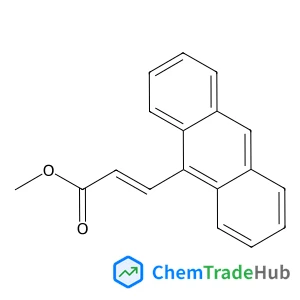
Methyl (2E)-3-(9-anthryl)acrylate
CAS Number: 22844-33-3
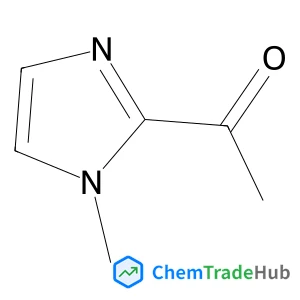
1-(1-Methyl-1H-imidazol-2-YL)ethanone
CAS Number: 85692-37-1
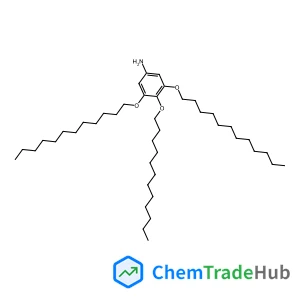
3,4,5-Tris(dodecyloxy)aniline
CAS Number: 151237-05-7
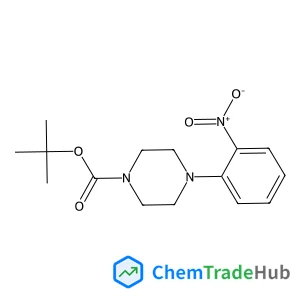
Other Suppliers for 7-Chloro-1H-indole-3-carbaldehyde




Basic Information
Molecular Formula
C9H6ClNO
Molecular Weight
179.61 g/mol
Physical State
Pale-yellow to Yellow-brown Solid
Physical Properties
Boiling Point
373.4℃ at 760 mmHg
Chemical Identifiers
SMILES
C1=CC2=C(C(=C1)Cl)NC=C2C=O
InChIKey
NHJNOJSRXQVQRT-UHFFFAOYSA-N
Database References
MDL Number
MFCD06657153
FAQ
What are the physical and chemical properties of 7-Chloro-1H-indole-3-carbaldehyde (CAS: 1008-07-7)?
7-Chloro-1H-indole-3-carbaldehyde (CAS: 1008-07-7) is a crystalline solid with a molecular weight of approximately 172.01 g/mol. It has a pungent odor. The compound is slightly soluble in water but soluble in common organic solvents like ethanol and acetonitrile. It exhibits mild reactivity with reducing agents, making it useful in synthesis reactions. The compound is stable under normal conditions but should be stored in a cool, dry place away from direct sunlight.
7-Chloro-1H-indole-3-carbaldehyde (CAS: 1008-07-7) can be synthesized by the reduction of 7-chloro-1H-indole-3-carboxylic acid with sodium borohydride or lithium aluminum hydride. The reaction is carried out in a suitable organic solvent such as methanol or ethanol. The yield is typically around 70-80%, with good selectivity for the reduction of the carboxylic acid to the aldehyde. Proper use of a catalyst and appropriate conditions are essential for optimal results.
7-Chloro-1H-indole-3-carbaldehyde (CAS: 1008-07-7) is primarily used in the pharmaceutical industry for the synthesis of various indole derivatives with potential medicinal properties. It is also used in the production of certain dyes and pigments, as well as in some sensor applications due to its reactivity and specific functional groups. Its use in semiconductors and polymers is less common but not unheard of, depending on the specific chemical environment and reactivity of the compound.
When handling 7-Chloro-1H-indole-3-carbaldehyde (CAS: 1008-07-7), appropriate personal protective equipment (PPE) should be worn, including gloves, lab coat, and safety goggles. The compound should be handled in a fume hood to minimize exposure to air and to control the environment. Spills should be immediately cleaned up using appropriate absorbent materials and proper disposal methods. Always refer to the Safety Data Sheet (SDS) for detailed safety information and emergency procedures. The compound is stable under normal conditions but avoid contact with water and strong oxidizers to prevent unexpected reactions.
Safety Notice
Please verify product specifications and safety data before use. Contact the supplier for detailed safety information.
Always follow proper handling procedures
Contact Information
Contact Person
Manager Huang
hm-huangmiao@163.com