



AD
Disodium 1,6-naphthalenedisulfonate(CAS: 1655-43-2)
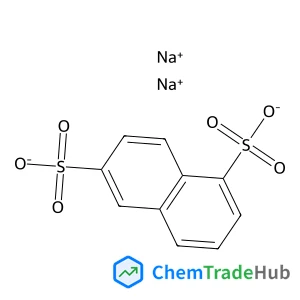
CAS Number
Related Products
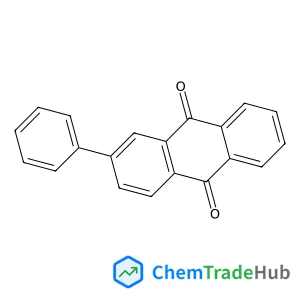
2-Phenyl-9,10-anthraquinone
CAS Number: 6485-97-8
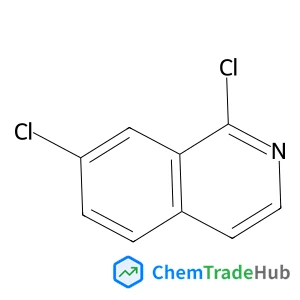
1,7-Dichloroisoquinoline
CAS Number: 70810-24-1
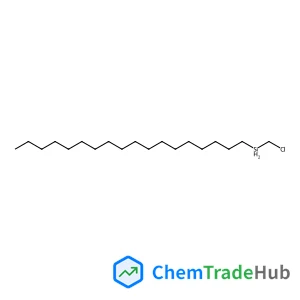
Silane, chloromethyloctadecyl-
CAS Number: 124694-97-9
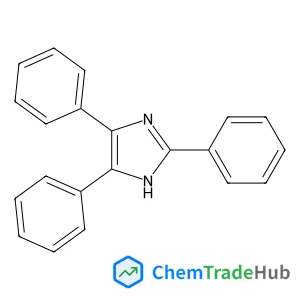
2,4,5-Triphenyl-1H-imidazole
CAS Number: 484-47-9
![[4-(Difluoromethoxy)phenyl]acetonitrile](https://static.chemtradehub.com/structs/414/41429-16-7-ae43.webp)
Other Suppliers for Disodium 1,6-naphthalenedisulfonate




Basic Information
Molecular Formula
C10H6Na2O6S2
Molecular Weight
332.3 g/mol
Physical Properties
Boiling Point
°Cat760mmHg
Density
1.704
Flash Point
°C
Chemical Identifiers
SMILES
C1=CC2=C(C=CC(=C2)S(=O)(=O)[O-])C(=C1)S(=O)(=O)[O-].[Na+].[Na+]
InChIKey
FXJFYEOXUWERCL-UHFFFAOYSA-L
Database References
MDL Number
MFCD00021522
FAQ
Disodium 1,6-naphthalenedisulfonate (CAS: 1655-43-2) is an inorganic sodium salt with the chemical formula C10H6Na2O6S2. It is a white, crystalline solid commonly used in chemical synthesis. This compound exhibits good water solubility and is known for its stability under normal conditions. Its structure includes two sulfonate groups attached to a naphthalene ring, making it a versatile intermediate in various industrial applications.
Disodium 1,6-naphthalenedisulfonate (CAS: 1655-43-2) is primarily used in the production of dyes, pharmaceuticals, and organic chemicals. It serves as a key component in the synthesis of azo compounds and other derivatives. In the food industry, it may act as a stabilizer, while in research, it is employed for pH regulation and as a precursor in material science. Its applications span across industrial, pharmaceutical, and analytical fields.
Disodium 1,6-naphthalenedisulfonate (CAS: 1655-43-2) is generally considered safe when handled properly. It has low toxicity in normal use conditions, but direct skin contact or inhalation of dust may cause irritation. Safety standards recommend wearing protective gloves and ensuring adequate ventilation. Always follow OSHA guidelines for chemical handling to minimize risks.
Disodium 1,6-naphthalenedisulfonate (CAS: 1655-43-2) should be stored in a cool, dry place, away from moisture and light. Keep it in a sealed container to maintain stability and prevent degradation. Ideal storage conditions include temperatures below 25°C and controlled humidity levels. Avoid exposure to strong oxidizing agents to ensure long-term safety and efficacy.
Safety Notice
Please verify product specifications and safety data before use. Contact the supplier for detailed safety information.
Always follow proper handling procedures
Contact Information
Contact Person
Li Jun
2801519207@qq.com