



AD
(2-Bromo-1,3-thiazol-5-yl)methanol(CAS: 687636-93-7)
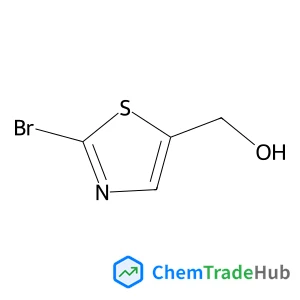
CAS Number
Related Products
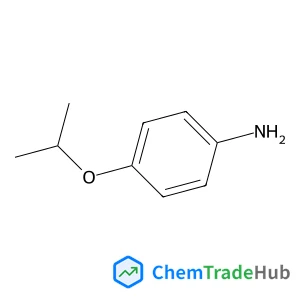
4-Isopropoxyaniline
CAS Number: 7664-66-6
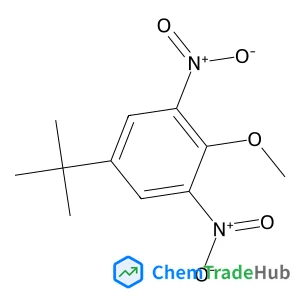
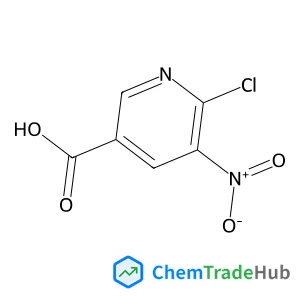
6-Chloro-5-nitronicotinic acid
CAS Number: 7477-10-3
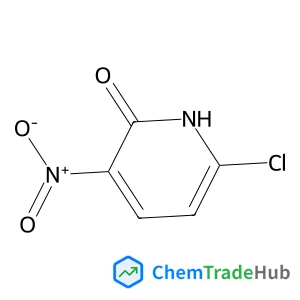
6-Chloro-3-nitropyridin-2(1H)-one
CAS Number: 92138-35-7
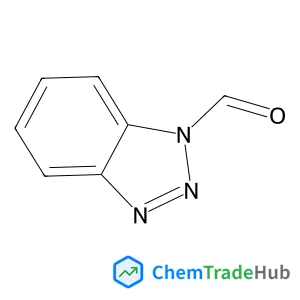
1H-Benzotriazole-1-carbaldehyde
CAS Number: 72773-04-7
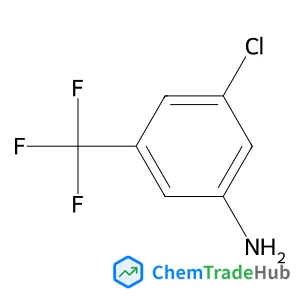
3-Chloro-5-(trifluoromethyl)aniline
CAS Number: 69411-05-8
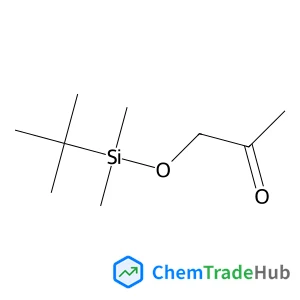
Other Suppliers for (2-Bromo-1,3-thiazol-5-yl)methanol






Basic Information
Molecular Formula
C4H4BrNOS
Molecular Weight
194.05 g/mol
Physical Properties
Melting Point
46-48
Boiling Point
288.3°C at 760 mmHg
Density
1.899
Flash Point
128.1°C
Chemical Identifiers
SMILES
C1=C(SC(=N1)Br)CO
InChIKey
DWNJWSPPORNJGV-UHFFFAOYSA-N
Database References
MDL Number
MFCD04115733
FAQ
(2-Bromo-1,3-thiazol-5-yl)methanol is a crystalline solid with a molecular weight of approximately 228.04 g/mol. It has a low solubility in water but is more soluble in organic solvents such as ethanol and acetone. The compound is known for its reactivity, particularly towards nucleophiles and in condensation reactions. It is stable under normal conditions but should be stored in a dry environment to prevent hydrolysis.
(2-Bromo-1,3-thiazol-5-yl)methanol is often synthesized via the condensation of thiazole and bromomethyl acetate. The reaction is typically carried out in a suitable solvent such as acetonitrile with a catalytic amount of a base like potassium carbonate. The yield can be increased by optimizing reaction conditions such as temperature and concentration. This compound is often used as a key intermediate in the synthesis of more complex organic molecules.
(2-Bromo-1,3-thiazol-5-yl)methanol finds application in the pharmaceutical industry as a building block for drug synthesis. It is also used in the development of sensors and as a precursor in the semiconductor industry. Its chemical properties make it suitable for use in polymer synthesis and as a reagent in analytical chemistry.
When handling (2-Bromo-1,3-thiazol-5-yl)methanol, it is essential to use personal protective equipment (PPE) such as gloves, safety goggles, and a lab coat. The compound should be stored in a cool, dry place and away from sources of ignition. In case of a spill, it should be handled using appropriate containment and disposal procedures. Always refer to the Safety Data Sheet (SDS) for detailed information on handling and disposal procedures.
Safety Notice
Please verify product specifications and safety data before use. Contact the supplier for detailed safety information.
Always follow proper handling procedures
Contact Information
1485751188@qq.com