



AD
4-Chlorobenzenesulfonic acid(CAS: 98-66-8)
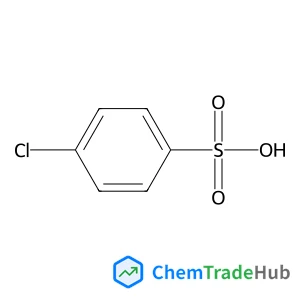
CAS Number
Related Products
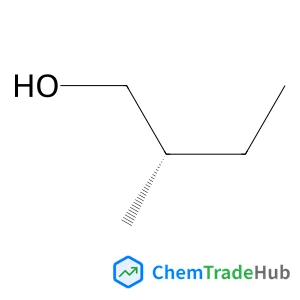
(S)-(-)-2-Methylbutanol
CAS Number: 1565-80-6
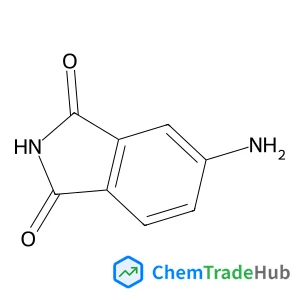
5-Amino-1H-isoindole-1,3(2H)-dione
CAS Number: 3676-85-5
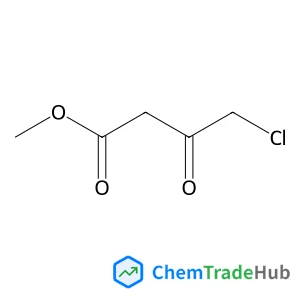
3-(1H-Pyrrol-1-yl)propanoic acid
CAS Number: 32807-28-6
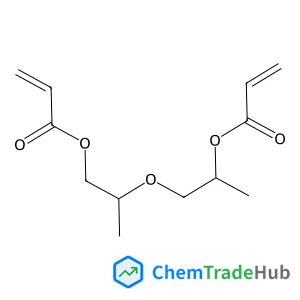
Dipropylene Glycol Diacrylate
CAS Number: 57472-68-1
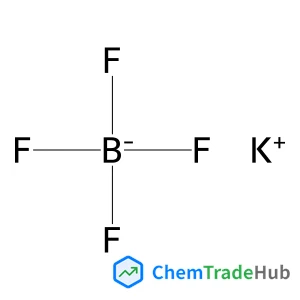
Potassium tetrafluoroborate
CAS Number: 14075-53-7
![1-[2-Chloro-4-(4-chlorophenyl)butyl]-1H-imidazole](https://static.chemtradehub.com/structs/670/67085-12-5-0d50.webp)
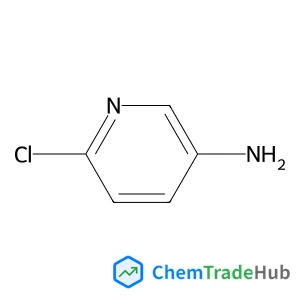
6-Chloro-3-pyridinamine
CAS Number: 5350-93-6
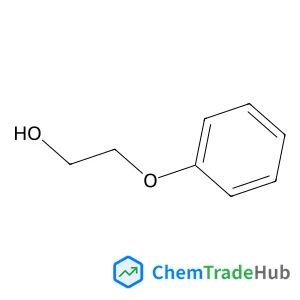
2-Phenoxyethanol
CAS Number: 122-99-6
Other Suppliers for 4-Chlorobenzenesulfonic acid



Basic Information
Molecular Formula
C6H5ClO3S
Molecular Weight
192.62 g/mol
Physical Properties
Melting Point
102 ºC
Boiling Point
149 °C/22 mmHg(lit.)
Density
1.449 (estimate)
Flash Point
108
C
Water Solubility
very faint turbidity
Chemical Identifiers
SMILES
C1=CC(=CC=C1S(=O)(=O)O)Cl
InChIKey
RJWBTWIBUIGANW-UHFFFAOYSA-N
Database References
MDL Number
MFCD00065342
FAQ
4-Chlorobenzenesulfonic acid (CAS: 98-66-8) falls under the classification of a hazardous chemical under the Globally Harmonized System of Classification and Labelling of Chemicals (GHS). It is subject to specific regulations such as REACH in the European Union, which requires registration, evaluation, authorization, and restriction of chemicals. Additionally, the U.S. Food and Drug Administration (FDA) and Environmental Protection Agency (EPA) have specific guidelines for the handling, labeling, and disposal of this compound to ensure worker safety and environmental protection.
Several alternatives to 4-Chlorobenzenesulfonic acid (CAS: 98-66-8) can be used in synthesis, depending on the specific requirements of the reaction. Common alternatives include tosyl chloride and mesyl chloride, which offer similar functionality. Additionally, other sulfonic acids like p-toluenesulfonic acid or benzenesulfonic acid can be substituted based on the reaction conditions and desired product.
4-Chlorobenzenesulfonic acid (CAS: 98-66-8) is primarily used in the pharmaceutical, dye-making, and chemical industries. Research trends indicate a growing interest in its use as a catalyst in various chemical transformations. Market dynamics show increasing demand due to its reactivity and ability to act as a sulfonating agent. Recent studies focus on developing more sustainable and environmentally friendly processes for its production and use.
Waste containing 4-Chlorobenzenesulfonic acid (CAS: 98-66-8) should be collected in appropriate containers lined with plastic to prevent leakage. The waste should be handled according to local regulations and should be treated through incineration or professional waste disposal services that specialize in hazardous waste. Environmental protection measures include ensuring the waste is neutralized to reduce toxicity before disposal, and all handlers should follow protective clothing and safety protocols to avoid exposure.
Safety Notice
Please verify product specifications and safety data before use. Contact the supplier for detailed safety information.
Always follow proper handling procedures
Contact Information
Contact Person
Manager Liu
ruitengchem@163.com