



AD
2,5-Dihydroxyterephthalaldehyde(CAS: 1951-36-6)

CAS Number
Related Products
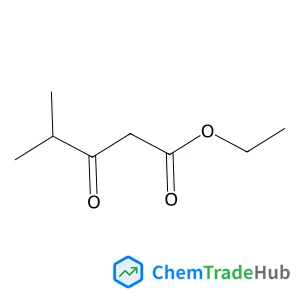
Ethyl 4-methyl-3-oxopentanoate
CAS Number: 7152-15-0
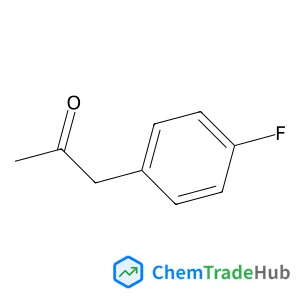
1-(4-Fluorophenyl)acetone
CAS Number: 459-03-0


3-Amino-1,2-propanediol
CAS Number: 616-30-8
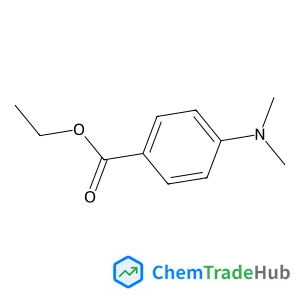
Ethyl 4-(dimethylamino)benzoate
CAS Number: 10287-53-3
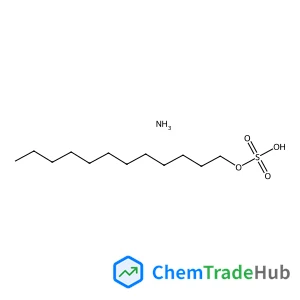
Ammonium dodecyl sulfate
CAS Number: 2235-54-3

1,2-Difluoro-3-methyl-4-nitrobenzene
CAS Number: 914348-35-9

Abemaciclib Impurity 6
CAS Number: 67567-26-4

Dichloro(isopropyl)methylsilane
CAS Number: 18236-89-0
Other Suppliers for 2,5-Dihydroxyterephthalaldehyde





Basic Information
Molecular Formula
C8H6O4
Molecular Weight
166.13 g/mol
Physical Properties
Melting Point
262 ºC
Chemical Identifiers
SMILES
C1=C(C(=CC(=C1O)C=O)O)C=O
InChIKey
PIWMYUGNZBJTID-UHFFFAOYSA-N
Database References
MDL Number
MFCD22055335
FAQ
2,5-Dihydroxyterephthalaldehyde (CAS: 1951-36-6) is classified under GHS as a moderately toxic substance. It is subject to REACH regulations in the European Union, requiring registration if the substance is manufactured or imported in quantities exceeding 1 tonne per year. In the U.S., the EPA regulates it under TSCA. FDA may also impose additional restrictions for its use in food contact materials or pharmaceuticals.
For synthesis purposes, alternatives to 2,5-Dihydroxyterephthalaldehyde include 4-hydroxyterephthalaldehyde and 2,2'-Bis(hydroxyphenyl)propane. Isomers and analogs such as 3,4-dihydroxyterephthalaldehyde are also relevant in certain contexts. Common alternative reagents include hydroxylamine and phenol derivatives, which can be used in place of this compound depending on the specific reaction conditions and desired product.
The market for 2,5-Dihydroxyterephthalaldehyde (CAS: 1951-36-6) is primarily driven by its applications in the polyester industry and as a precursor in dye synthesis. Recent research trends focus on its use in developing sustainable and biodegradable materials. There is also growing interest in its potential as a monomer for high-performance polymers. The market is expected to grow due to increasing demand from the textile and packaging sectors.
Waste containing 2,5-Dihydroxyterephthalaldehyde (CAS: 1951-36-6) should be collected in appropriate containers and labeled. For disposal, it is recommended to incinerate the waste under controlled conditions or use professional waste disposal services. Environmental protection measures include ensuring that the waste does not enter water bodies and that proper ventilation is maintained during handling. Compliance with local and national regulations is essential to ensure safe waste management.
Safety Notice
Please verify product specifications and safety data before use. Contact the supplier for detailed safety information.
Always follow proper handling procedures
Contact Information
Contact Person
Yang Qin
1462312301@qq.com