



AD
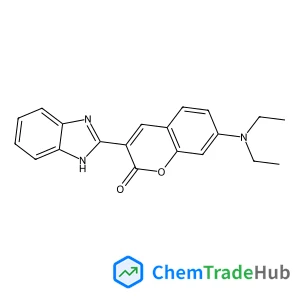
Coumarin 7(CAS: 12239-58-6)
CAS Number
Related Products
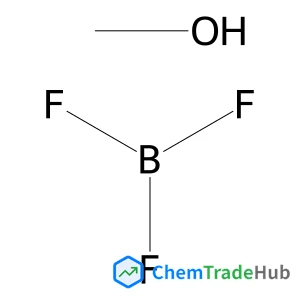
methanol; trifluoro-methoxy-boron
CAS Number: 2802-68-8
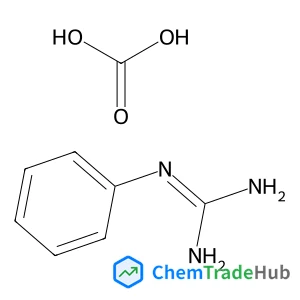
Carbonic acid - 1-phenylguanidine (1:1)
CAS Number: 6685-76-3
![1,7,7-Trimethylbicyclo[2.2.1]heptane-2,3-dione](https://static.chemtradehub.com/structs/103/10373-78-1-714c.webp)
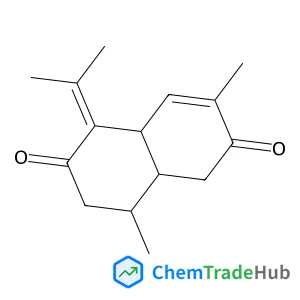
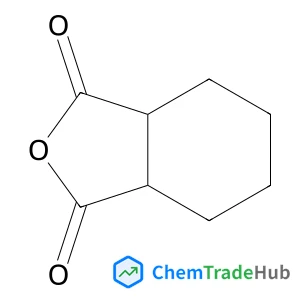
octahydro-2-benzofuran-1,3-dione
CAS Number: 85-42-7
![1-[(4xi)-beta-D-(~13~C_5_)-erythro-Pentofuranosyl]-1H-1,2,4-triazole-3-carboxamide](https://static.chemtradehub.com/structs/164/1646818-35-0-ea01.webp)
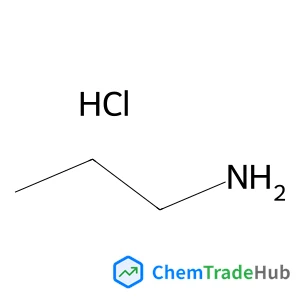
1-Propanamine hydrochloride (1:1)
CAS Number: 556-53-6
![1,1,2,2-Tetrafluoro-1-[2-(1,1,2,2-tetrafluoroethoxy)ethoxy]ethane](https://static.chemtradehub.com/structs/358/358-39-4-0089.webp)
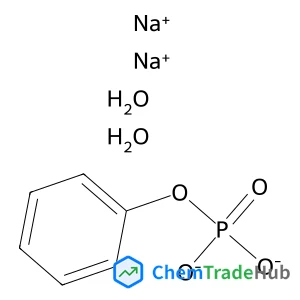
Other Suppliers for Coumarin 7








Basic Information
Molecular Formula
C20H19N3O2
Molecular Weight
333.4 g/mol
Physical Properties
Boiling Point
602.3 °C at 760 mmHg
Density
1.302
Flash Point
318 °C
Chemical Identifiers
SMILES
CCN(CC)C1=CC2=C(C=C1)C=C(C(=O)O2)C3=NC4=CC=CC=C4N3
InChIKey
GOLORTLGFDVFDW-UHFFFAOYSA-N
Database References
MDL Number
MFCD00051348
FAQ
Coumarin 7 is a white crystalline solid with a molecular weight of approximately 184.18 g/mol. It has a low solubility in water but is soluble in organic solvents like ethanol and acetone. Chemically, it is known for its photochemical properties, particularly its ability to undergo photoisomerization. Coumarin 7 is stable under normal conditions but can react with strong acids to form coumarin-3-carboxylic acid.
Coumarin 7 is commonly synthesized from 7-hydroxycoumarin through acetylation. The reaction involves treating 7-hydroxycoumarin with acetic anhydride in the presence of a catalyst like pyridine. The yield is typically around 85%, and the product is purified by recrystallization from ethanol. This method ensures a high degree of selectivity and purity.
Coumarin 7 is widely used in the pharmaceutical industry for its photodynamic properties, as a photosensitizer in phototherapy. It is also utilized in the polymer industry for its fluorescence properties, enhancing the luminescence of polymers. Additionally, it finds applications in the development of sensors and semiconductors, particularly in the fabrication of organic photoconductors and photodiodes.
When handling Coumarin 7, it is crucial to wear appropriate personal protective equipment (PPE) such as gloves, goggles, and a lab coat. Work should be conducted in a fume hood to minimize inhalation risks. Spills should be contained and cleaned up with a suitable absorbent material. In case of skin contact, immediately wash with soap and water. Always refer to the Material Safety Data Sheet (MSDS) for detailed safety information and emergency procedures.
Safety Notice
Please verify product specifications and safety data before use. Contact the supplier for detailed safety information.
Always follow proper handling procedures