



AD
Benzyl L-valinate 4-methylbenzenesulfonate (1:1)(CAS: 16652-76-9)
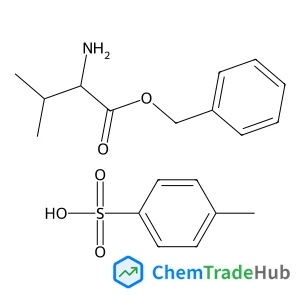
CAS Number
Related Products
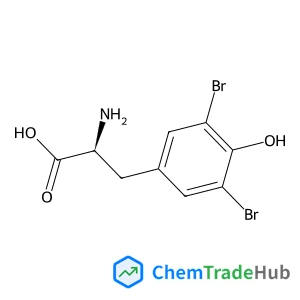
3,5-Dibromotyrosine
CAS Number: 300-38-9
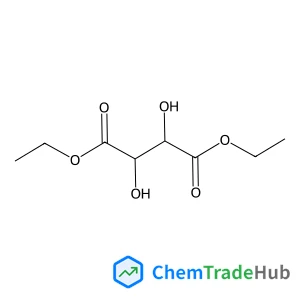
Diethyl (2S,3S)-2,3-dihydroxysuccinate
CAS Number: 13811-71-7
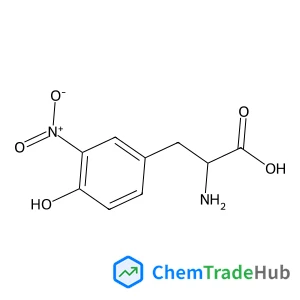
3-Nitro-L-tyrosine
CAS Number: 621-44-3
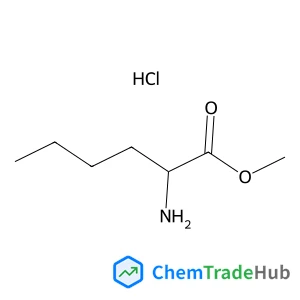
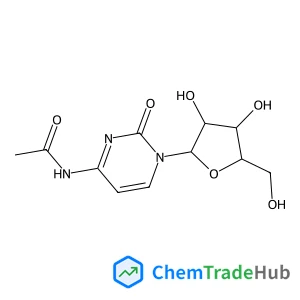
N-Acetylcytidine
CAS Number: 3768-18-1
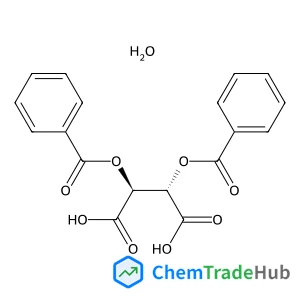
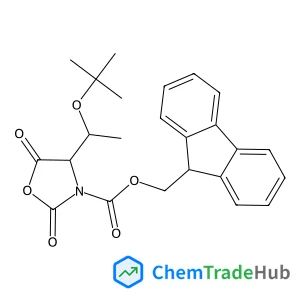
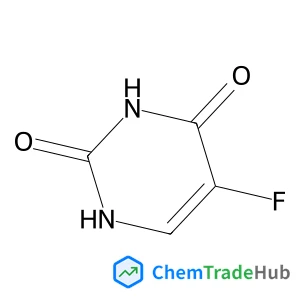
5-Fluoro-2,4(1H,3H)-pyrimidinedione
CAS Number: 51-21-8
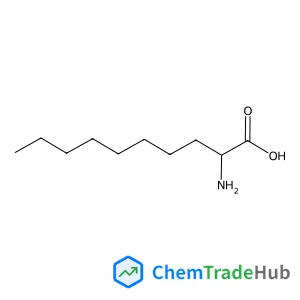
(2R)-2-Aminodecanoic acid
CAS Number: 84276-16-4
Other Suppliers for Benzyl L-valinate 4-methylbenzenesulfonate (1:1)






Basic Information
Molecular Formula
C19H25NO5S
Molecular Weight
379.48 g/mol
Physical Properties
Melting Point
160-160 °C
Boiling Point
160-162°C
Flash Point
160-162°C
Chemical Identifiers
SMILES
CC1=CC=C(C=C1)S(=O)(=O)O.CC(C)C(C(=O)OCC1=CC=CC=C1)N
InChIKey
QWUQVUDPBXFOKF-MERQFXBCSA-N
Database References
MDL Number
MFCD00038908
FAQ
Benzyl L-valinate 4-methylbenzenesulfonate (1:1) is a crystalline compound with a molecular weight of approximately 334.4 g/mol. It is poorly soluble in water but soluble in common organic solvents like ethanol and acetone. The compound is moderately reactive, showing potential for ester hydrolysis under basic conditions. It has a melting point of around 55-57°C.
Benzyl L-valinate 4-methylbenzenesulfonate (1:1) is commonly synthesized by reacting benzyl L-valinate with 4-methylbenzenesulfonyl chloride in the presence of a base like triethylamine. The reaction yields a 1:1 mixture of the sulfonate ester with a high selectivity and yield, typically around 85-90%.
Benzyl L-valinate 4-methylbenzenesulfonate (1:1) is primarily used in the pharmaceutical industry due to its chiral nature, which can be utilized in drug synthesis. It is also explored in the polymer industry for its potential use as a monomer or additive. Additionally, it has applications in the sensor industry for its reactivity and in the semiconductor industry for its electronic properties.
When handling Benzyl L-valinate 4-methylbenzenesulfonate (1:1), it is crucial to wear appropriate personal protective equipment (PPE), including gloves, goggles, and a lab coat. The compound should be stored in a sealed container in a dry, well-ventilated area. In case of a spill, it should be handled in a fume hood, and the incident should be reported according to the Material Safety Data Sheet (MSDS/SDS).
Safety Notice
Please verify product specifications and safety data before use. Contact the supplier for detailed safety information.
Always follow proper handling procedures