



AD
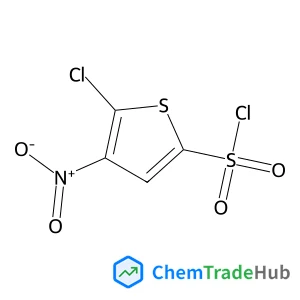
5-Chloro-4-nitro-2-thiophenesulfonyl chloride(CAS: 58457-24-2)
CAS Number
Related Products
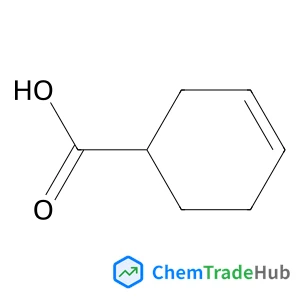
(1S)-3-Cyclohexene-1-carboxylic acid
CAS Number: 5708-19-0
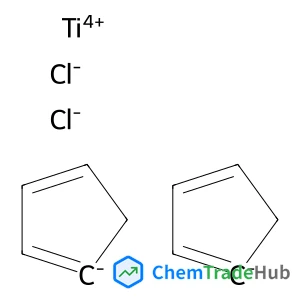
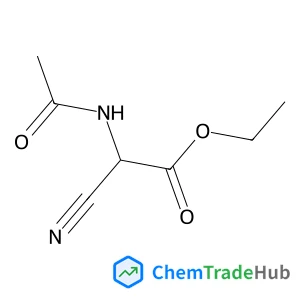
Ethyl Acetamidocyanoacetate
CAS Number: 4977-62-2
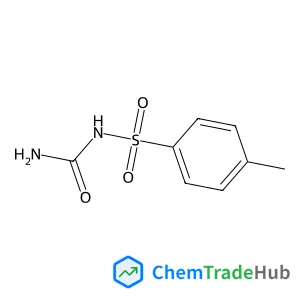
N-Carbamoyl-4-methylbenzenesulfonamide
CAS Number: 1694-06-0
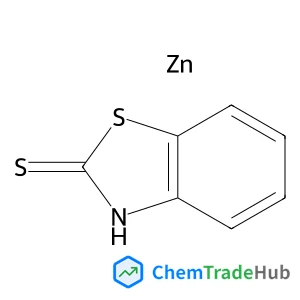
Zinc bis(1,3-benzothiazole-2-thiolate)
CAS Number: 155-04-4
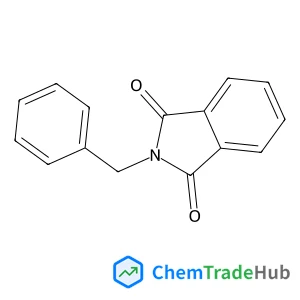
2-Benzyl-1H-isoindole-1,3(2H)-dione
CAS Number: 2142-01-0
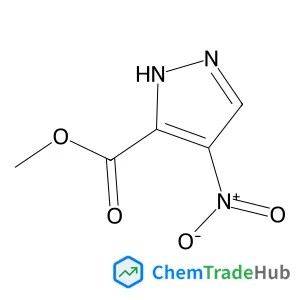
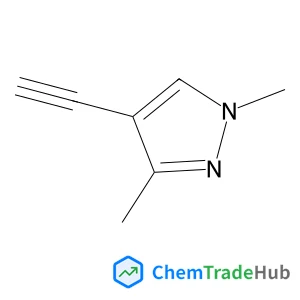
4-Ethynyl-1,3-dimethyl-1H-pyrazole
CAS Number: 61514-53-2
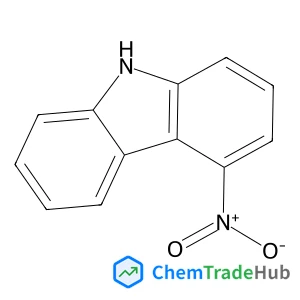
1-Nitro-9H-carbazole
CAS Number: 57905-76-7
Other Suppliers for 5-Chloro-4-nitro-2-thiophenesulfonyl chloride




Basic Information
Molecular Formula
C4HCl2NO4S2
Molecular Weight
262.1 g/mol
Physical Properties
Melting Point
50-52 ºC
Boiling Point
398.4°Cat760mmHg
Density
1.880
Flash Point
194.8°C
Chemical Identifiers
SMILES
C1=C(SC(=C1[N+](=O)[O-])Cl)S(=O)(=O)Cl
InChIKey
SGHAHFHTASPNKN-UHFFFAOYSA-N
Database References
MDL Number
MFCD00067978
FAQ
5-Chloro-4-nitro-2-thiophenesulfonyl chloride is a crystalline solid with a molecular weight of approximately 288.05 g/mol. It is soluble in common organic solvents like DMSO and slightly soluble in water. This compound is highly reactive due to the presence of chlorine and nitro groups, making it susceptible to various chemical transformations.
5-Chloro-4-nitro-2-thiophenesulfonyl chloride is usually synthesized via the chlorination of 5-nitro-4-thiophenesulfonic acid. The reaction involves the use of thionyl chloride under anhydrous conditions, followed by further nitration to introduce the chlorine group. The process requires careful control of reaction conditions to achieve high yield and selectivity.
5-Chloro-4-nitro-2-thiophenesulfonyl chloride finds applications in the pharmaceutical industry for the synthesis of drugs and intermediates. It is also used in the polymer industry for the modification of polymers and in the sensor industry for the development of sensitive detection devices. Additionally, it is utilized in semiconductor manufacturing for specific chemical treatments.
When handling 5-Chloro-4-nitro-2-thiophenesulfonyl chloride, it is essential to use appropriate personal protective equipment (PPE) such as gloves, goggles, and a lab coat. The compound should be handled in a fume hood to minimize exposure to fumes. In case of a spill, it should be carefully cleaned up using appropriate absorbent materials, and the area should be well-ventilated. Always consult the Safety Data Sheet (SDS) for detailed handling instructions and emergency procedures.
Safety Notice
Please verify product specifications and safety data before use. Contact the supplier for detailed safety information.
Always follow proper handling procedures
Contact Information
jacschem@163.com