



AD
2-t-Butyl-Anthraquinone(CAS: 84-47-9)
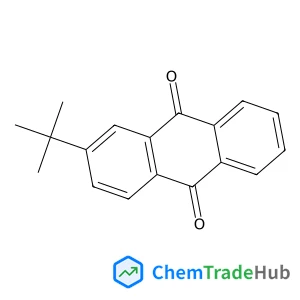
CAS Number
Related Products
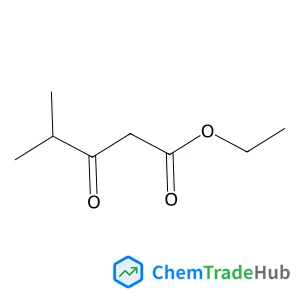
Ethyl 4-methyl-3-oxopentanoate
CAS Number: 7152-15-0
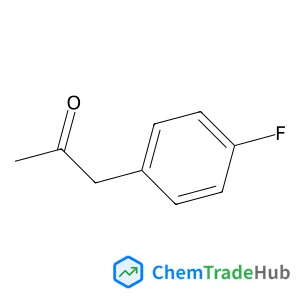
1-(4-Fluorophenyl)acetone
CAS Number: 459-03-0
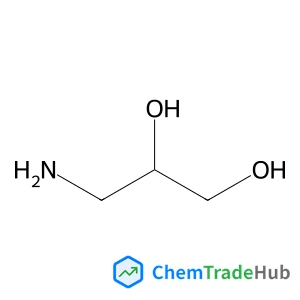
3-Amino-1,2-propanediol
CAS Number: 616-30-8
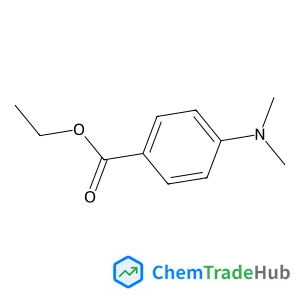
Ethyl 4-(dimethylamino)benzoate
CAS Number: 10287-53-3
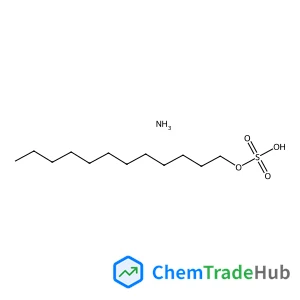
Ammonium dodecyl sulfate
CAS Number: 2235-54-3
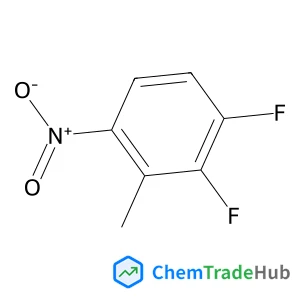
1,2-Difluoro-3-methyl-4-nitrobenzene
CAS Number: 914348-35-9
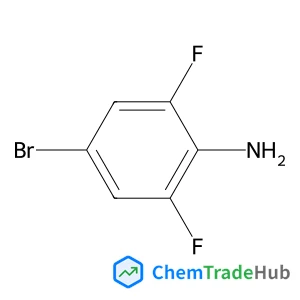
Abemaciclib Impurity 6
CAS Number: 67567-26-4
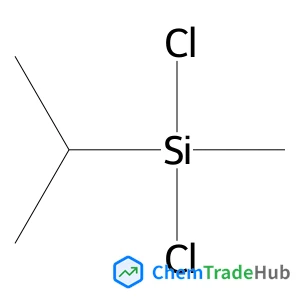
Dichloro(isopropyl)methylsilane
CAS Number: 18236-89-0
Other Suppliers for 2-t-Butyl-Anthraquinone





Basic Information
Molecular Formula
C18H16O2
Molecular Weight
264.32 g/mol
Physical Properties
Melting Point
101.0 to 104.0 deg-C
Boiling Point
367.55°C (rough estimate)
Density
1.0897 (rough estimate)
Flash Point
421.2 °C at 760 mmHg
Chemical Identifiers
SMILES
CC(C)(C)C1=CC2=C(C=C1)C(=O)C3=CC=CC=C3C2=O
InChIKey
YTPSFXZMJKMUJE-UHFFFAOYSA-N
Database References
MDL Number
MFCD00001232
FAQ
2-t-Butyl-Anthraquinone (CAS: 84-47-9) is a crystalline compound with a molecular weight of approximately 272.43 g/mol. It has a high solubility in organic solvents like ethanol and acetone but is insoluble in water. It is moderately reactive, showing limited reactivity towards electrophiles and nucleophiles. This compound is known for its stability under normal conditions.
2-t-Butyl-Anthraquinone (CAS: 84-47-9) can be synthesized via the anthraquinone synthesis route, where anthraquinone is reacted with tert-butyl chloride in the presence of a suitable base such as sodium hydride, yielding a high yield and good selectivity. The reaction is carried out under anhydrous conditions to avoid side reactions.
2-t-Butyl-Anthraquinone (CAS: 84-47-9) is primarily used in the pharmaceutical industry for the synthesis of certain drugs. It also finds applications in the polymer industry for the production of special plastics and in the semiconductor industry for photoresists and other materials.
When handling 2-t-Butyl-Anthraquinone (CAS: 84-47-9), it is important to use personal protective equipment (PPE) such as gloves and safety glasses. Work should be conducted in a well-ventilated area or a fume hood. Spills should be cleaned up using absorbent materials and disposed of according to local regulations. Refer to the Safety Data Sheet (SDS) for detailed information on handling and storage.
Safety Notice
Please verify product specifications and safety data before use. Contact the supplier for detailed safety information.
Always follow proper handling procedures
Contact Information
Contact Person
Yang Qin
1462312301@qq.com