



AD
Ethyl 4-bromo-2-pyridinecarboxylate(CAS: 62150-47-4)
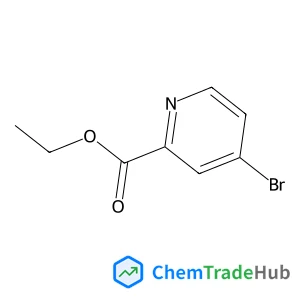
CAS Number
Related Products

1,3-Oxazol-2-amine
CAS Number: 4570-45-0

(1S)-1-Cyclopropylethanamine
CAS Number: 195604-39-8


2,3-Difluoroisonicotinic acid
CAS Number: 851386-31-7

4-Chloronicotinic acid
CAS Number: 10177-29-4
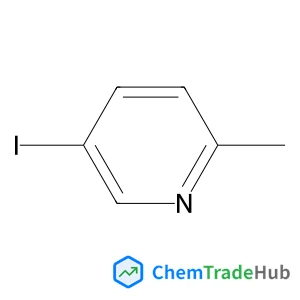
5-Iodo-2-methylpyridine
CAS Number: 695-17-0

![2-Methyl-2-propanyl (3R)-3-{[(benzyloxy)carbonyl]amino}-1-piperidinecarboxylate](https://static.chemtradehub.com/structs/320/320580-76-5-481a.webp)

4'-Chloro-4-biphenylcarbaldehyde
CAS Number: 80565-30-6
Other Suppliers for Ethyl 4-bromo-2-pyridinecarboxylate





Basic Information
Molecular Formula
C8H8BrNO2
Molecular Weight
230.06 g/mol
Chemical Identifiers
SMILES
CCOC(=O)C1=NC=CC(=C1)Br
InChIKey
ATVHAWNFNGFPEM-UHFFFAOYSA-N
Database References
MDL Number
MFCD09839150
FAQ
Ethyl 4-bromo-2-pyridinecarboxylate (CAS: 62150-47-4) is regulated under GHS classification as a hazardous chemical. It falls under REACH regulations for classification and labeling of substances. FDA and EPA have specific guidelines for its handling, storage, and disposal. Compliance with these regulations ensures safe use and minimizes environmental impact.
Alternatives to Ethyl 4-bromo-2-pyridinecarboxylate (CAS: 62150-47-4) include other bromo-pyridine derivatives such as ethyl 4-bromopyridine-2-carboxylate and ethyl 5-bromopyridine-2-carboxylate. Common alternative reagents include phosphorus tribromide and bromopyridines. These alternatives offer similar functionality in synthesis but may vary in reactivity and availability.
The market for Ethyl 4-bromo-2-pyridinecarboxylate (CAS: 62150-47-4) is growing due to its applications in pharmaceuticals and fine chemicals. Research trends focus on its use as a building block for medicinal compounds. Price trends suggest a steady demand, with slight fluctuations based on supply chain factors. Emerging studies explore its role in antiviral and anticancer therapies.
Waste containing Ethyl 4-bromo-2-pyridinecarboxylate (CAS: 62150-47-4) should be collected in appropriate containers and stored separately from other waste. Incineration is a common disposal method, but professional waste disposal services are recommended for safe handling. Environmental protection measures include proper labeling and handling to prevent soil and water contamination. Compliance with local regulations is essential for safe waste management.
Safety Notice
Please verify product specifications and safety data before use. Contact the supplier for detailed safety information.
Always follow proper handling procedures