



AD
Acrylophenone(CAS: 768-03-6)
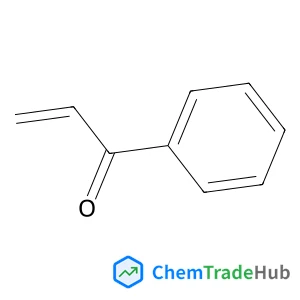
CAS Number
Related Products
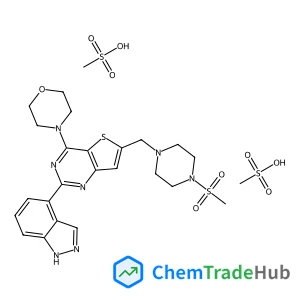
Pictilisib Bismesylate
CAS Number: 957054-33-0
![N-[3-(Trimethoxysilyl)propyl]-1-butanamine](https://static.chemtradehub.com/structs/310/31024-56-3-a83a.webp)
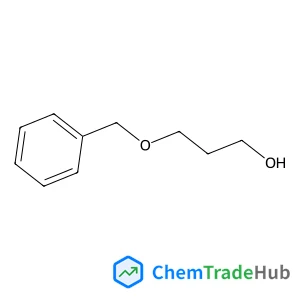
3-(Benzyloxy)-1-propanol
CAS Number: 4799-68-2
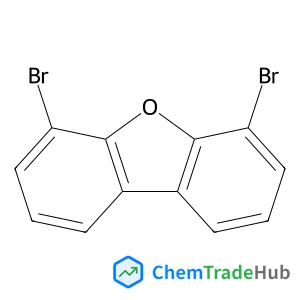
4,6-Dibromodibenzofuran
CAS Number: 201138-91-2
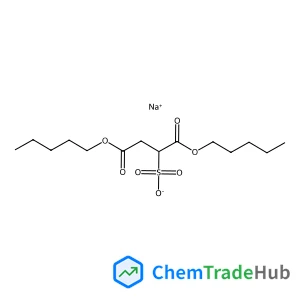
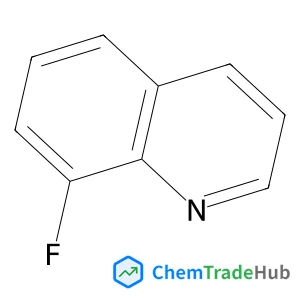
8-Fluoroquinoline
CAS Number: 394-68-3
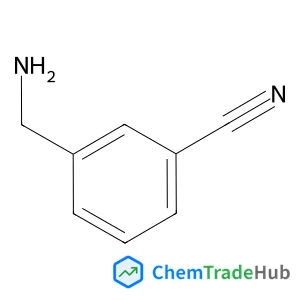
3-(Aminomethyl)benzonitrile
CAS Number: 10406-24-3
![N-({3-Chloro-4-[1,1,2-trifluoro-2-(trifluoromethoxy)ethoxy]phenyl}carbamoyl)-2,6-difluorobenzamide](https://static.chemtradehub.com/structs/116/116714-46-6-96f5.webp)
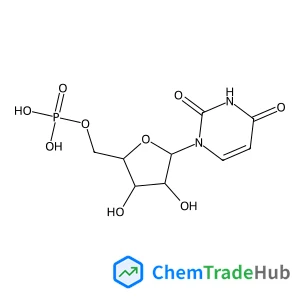
Other Suppliers for Acrylophenone






Basic Information
Molecular Formula
C9H8O
Molecular Weight
132.16 g/mol
Physical Properties
Boiling Point
204.08°C (rough estimate)
Density
1.0270 (rough estimate)
Flash Point
73.7 °C
Chemical Identifiers
SMILES
C=CC(=O)C1=CC=CC=C1
InChIKey
KUIZKZHDMPERHR-UHFFFAOYSA-N
Database References
MDL Number
MFCD00457275
Beilstein Registry Number
0635987
FAQ
Acrylophenone (CAS: 768-03-6) is regulated under the Globally Harmonized System of Classification and Labelling of Chemicals (GHS), which includes hazards such as flammability, skin corrosion, and serious eye damage. Additionally, it falls under the EU REACH regulation, requiring registration for manufacturers and importers. FDA and EPA have specific guidelines for its use and disposal, ensuring it meets safety and environmental standards in the US.
There are several alternatives to acrylophenone (CAS: 768-03-6) in synthesis, such as 2-acryloylbenzene and 4-acryloylphenylacetic acid. These alternatives can offer similar functionalities while potentially having different synthesis routes and reactivity profiles. Researchers often consider these options based on cost, availability, and desired product properties.
The market for acrylophenone (CAS: 768-03-6) shows growing interest in its use as a monomer in polymer synthesis and as a precursor in various chemical applications. Research trends are focusing on its application in developing new materials with enhanced properties. Market trends indicate increasing demand from industries such as pharmaceuticals, electronics, and adhesives, driven by advancements in technology and product innovation.
Waste containing acrylophenone (CAS: 768-03-6) should be collected in compatible, leak-proof containers and stored in a well-ventilated area away from sources of ignition. Incineration is a common disposal method, requiring proper incineration equipment to ensure complete combustion. Alternatively, professional waste disposal services can handle the material safely, ensuring compliance with environmental protection regulations. Local authorities and regulatory bodies should be consulted for specific disposal guidelines.
Safety Notice
Please verify product specifications and safety data before use. Contact the supplier for detailed safety information.
Always follow proper handling procedures

Contact Information
Contact Person
Manager Shao
service@nornachem.com
Mobile
17386138556
Telephone
027-59209883
Fax
027-59209883
Visit Website
https://www.nornachem.comAddress
Wuhan Economic and Technological Development Zone