



AD
2-Chloro-4-methylphenol(CAS: 6640-27-3)
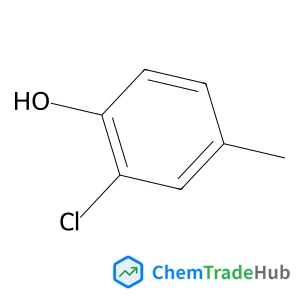
CAS Number
Related Products
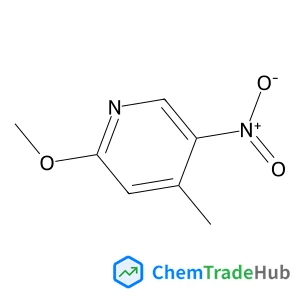
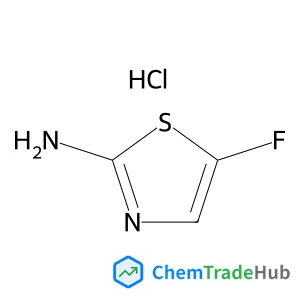
2-Methoxy-4-methyl-5-nitropyridine
CAS Number: 6635-90-1
![N-[4-(4-Fluorophenyl)-5-(hydroxymethyl)-6-isopropyl-2-pyrimidinyl]-N-methylmethanesulfonamide](https://static.chemtradehub.com/structs/147/147118-36-3-8396.webp)
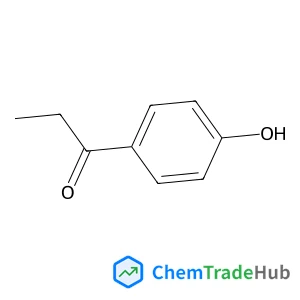
1-(4-Hydroxyphenyl)-1-propanone
CAS Number: 70-70-2
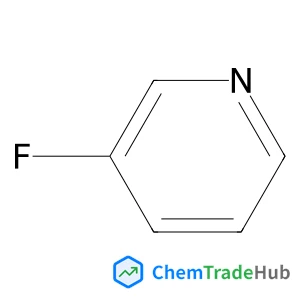
3-Fluoropyridine
CAS Number: 372-47-4
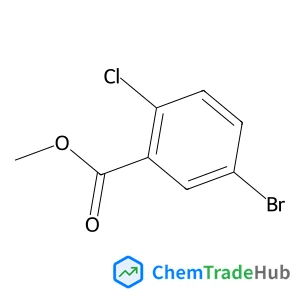
Methyl 5-bromo-2-chlorobenzoate
CAS Number: 251085-87-7
![5-Chloro-3-nitropyrazolo[1,5-a]pyrimidine](https://static.chemtradehub.com/structs/136/1363380-51-1-6292.webp)
Other Suppliers for 2-Chloro-4-methylphenol





Basic Information
Molecular Formula
C7H7ClO
Molecular Weight
142.59 g/mol
Physical Properties
Boiling Point
196°C(lit.)
Density
1.211 g/mL at 25 °C(lit.)
Chemical Identifiers
SMILES
CC1=CC(=C(C=C1)O)Cl
InChIKey
AQJFATAFTQCRGC-UHFFFAOYSA-N
Database References
MDL Number
MFCD00070639
FAQ
2-Chloro-4-methylphenol (CAS: 6640-27-3) falls under the classification of a hazardous chemical according to the GHS system. It is regulated under REACH in the EU, requiring manufacturers and importers to register substances above a certain tonnage. In the USA, it is listed under EPA's Toxic Substances Control Act (TSCA) and may require reporting under OSHA's Hazard Communication Standard (HCS). FDA regulations may apply if it is used in pharmaceutical or food contact applications.
There are several alternatives to 2-Chloro-4-methylphenol (CAS: 6640-27-3). Common substitutes include 2-Methyl-4-chlorophenol and other analogous compounds, which might offer similar properties but with different reactivity. Isomers and analogs can also be used depending on the specific synthesis requirements and desired properties.
The market for 2-Chloro-4-methylphenol (CAS: 6640-27-3) is primarily driven by its use in industrial applications such as tannins, dyes, and pharmaceuticals. Research trends indicate an increasing focus on sustainable alternatives and safer compounds. Emerging areas of interest include the development of less hazardous substitutes and the exploration of its applications in more environmentally friendly processes.
Handling waste containing 2-Chloro-4-methylphenol (CAS: 6640-27-3) requires careful attention to safety and environmental regulations. Waste should be collected in appropriate containers and disposed of according to local hazardous waste disposal regulations. Incineration is a common method, provided it is done at a facility equipped for hazardous waste. In case of accidental spill, immediate decontamination and containment should be followed by professional disposal to prevent environmental contamination.
Safety Notice
Please verify product specifications and safety data before use. Contact the supplier for detailed safety information.
Always follow proper handling procedures
Contact Information
Contact Person
Manager Zhang
supplychain@witofly.com