












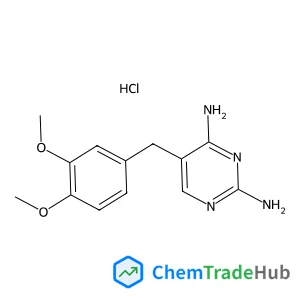
5-(3,4-Dimethoxybenzyl)-2,4-pyrimidinediamine hydrochloride (1:1)
CAS Number:
2507-23-5
Molecular Formula:
C13H17ClN4O2
Mengli Li, Lu Chen, Lirong Gui, Shuo Cao, Di Liu, Gang Zhao, Mingcui Ding, Jinliang Yan, Dehua Wang
Using Born–Oppenheimer ab initio molecular dynamics (BOAIMD) simulations, the high-density water (HDW) and low-density water (LDW) structures based on SCAN meta-GGA are compared with those based on PBE GGA. Compared with Car–Parrinello ab initio molecular dynamics (CPAIMD) simulations, BOAIMD simulations can produce more accurate results because no fictitious electron mass is introduced. At each state point, our simulations continue for 100 ps after the system reached equilibrium, which is the longest ab initio simulations of liquid water reported so far and can ensure an accurate statistical average. The influence of the size effect and nuclear quantum effect on structure is not considered in the present work, but only that of two different functionals on the structure is discussed. It is found that, in HDW, just as shown using CPAIMD simulations, the SCAN-based hydrogen-bonds (HBs) are more flexible than the PBE-based ones, which makes the structure based on SCAN obviously closer to the experimental results than that based on PBE. However, it is not the case in LDW, and the difference between the results based on these two functionals is very small.
Hisahiro Hagiwara, Keon Hyeok Ko, Takashi Hoshi, Toshio Suzuki
DOI: 10.1039/B704098A
Chih-Hung Sun, Wei-Lun Min, Peng Jiang
DOI: 10.1039/B804182B
Yan Yan, Fuqiang Zhang, Yan Meng, Bo Tu, Dongyuan Zhao
DOI: 10.1039/B702232H
Claudia Caltagirone, Philip A. Gale, Jennifer R. Hiscock, Simon J. Brooks, Michael B. Hursthouse, Mark E. Light
DOI: 10.1039/B806238B
András Stirling, Andrea Hamza, Tibor András Rokob, Imre Pápai
DOI: 10.1039/B804662J
Young Jun Seo, Il Joon Lee, Jeong Wu Yi, Byeang Hyean Kim
DOI: 10.1039/B707278C
Fabrice Goubard, Pierre-Henri Aubert, Kada Boukerma, Emmanuel Pauthe, Claude Chevrot
DOI: 10.1039/B800754C
Yang-Guang Li, Yong-Hui Wang, Xin-Long Wang, En-Bo Wang, Zhong-Min Su, Lin Xu
DOI: 10.1039/B700511C
When considering alternatives to 1-(4-Chlorophenyl)-N-hydroxymethanimine (CAS: 3...
This compound should be stored in a cool, dry place away from direct sunlight. I...
3-(4-Bromophenyl)-5-(2-fluorophenyl)-1,2,4-oxadiazole is synthesized through a m...
5-Chloro-2-(4-chlorophenyl)-4-methyl-6-[3-(1-piperidinyl)propoxy]pyrimidine (CAS...
2-Chloro-4-(difluoromethoxy)pyridine is used in the pharmaceutical industry for ...
3-Chloro-6-methylpyridazine (CAS: 1121-79-5) is classified under the Globally Ha...
Several alternatives can be used in the synthesis of Methyl 4,5-dimethyl-2-nitro...
Alternatives to (2E,2'E)-3,3'-(1,4-Phenylene)bisacrylaldehyde include other acry...
3-Amino-5-chloropyridin-2-ol hydrochloride is an organic compound with the CAS n...
When handling 6,7-Difluoro-2,3-dihydro-4H-chromen-4-one, it is essential to wear...

Physical Chemistry Chemical Physics (PCCP) is an international journal co-owned by 19 physical chemistry and physics societies from around the world. This journal publishes original, cutting-edge research in physical chemistry, chemical physics and biophysical chemistry. To be suitable for publication in PCCP, articles must include significant innovation and/or insight into physical chemistry; this is the most important criterion that reviewers and Editors will judge against when evaluating submissions. The journal has a broad scope and welcomes contributions spanning experiment, theory, computation and data science. Topical coverage includes spectroscopy, dynamics, kinetics, statistical mechanics, thermodynamics, electrochemistry, catalysis, surface science, quantum mechanics, quantum computing and machine learning. Interdisciplinary research areas such as polymers and soft matter, materials, nanoscience, energy, surfaces/interfaces, and biophysical chemistry are welcomed if they demonstrate significant innovation and/or insight into physical chemistry. Joined experimental/theoretical studies are particularly appreciated when complementary and based on up-to-date approaches.
![[4-(Isobutyrylamino)phenyl]boronic acid structure](https://static.chemtradehub.com/structs/874/874219-50-8-6ab5.webp "[4-(Isobutyrylamino)phenyl]boronic acid structure")







