![Methyl 4-({[(2-methyl-2-propanyl)oxy]carbonyl}amino)bicyclo[2.2.2]octane-1-carboxylate structure](https://static.chemtradehub.com/structs/943/943845-74-7-b7e5.webp "Methyl 4-({[(2-methyl-2-propanyl)oxy]carbonyl}amino)bicyclo[2.2.2]octane-1-carboxylate structure")
Methyl 4-({[(2-methyl-2-propanyl)oxy]carbonyl}amino)bicyclo[2.2.2]octane-1-carboxylate
CAS Number:
943845-74-7
Molecular Formula:
C15H25NO4
Mingqiu Wang
Nanoparticles can form multiple bonds with target surfaces, thereby increasing adhesion strength and internalization rate into cells. This property has helped to drive interest in nanoparticles as delivery vehicles for drugs and imaging agents, but significant gaps in our understanding of multivalent adhesion make it difficult to control and optimize binding dynamics. In previous work, we experimentally observed that multivalent nanoparticle adhesion can exhibit a time-dependent detachment rate. However, simulations later indicated that the underlying cause was variability in the number of bonds that formed between individual nanoparticles within the population. Here, we use this insight to develop a simple model to isolate a series of constant detachment rates from such heterogeneous populations. Using simulations of experimental data to train the model, we first classified nanoparticles within a given population based on the most likely equilibrium bond number, which we termed the bond potential. We then assumed that each bond potential category would follow standard first-order kinetics with constant detachment rates. Model results matched the population binding data, but only if we further divided each bond potential category into two sub-components, the second of which did not detach. We then utilized bonding rates from the simulation to estimate detachment rates for the second, slower detaching sub-component. These results confirm our hypothesis that nanoparticle populations can be sub-divided based on bond potential, each of which could be characterized by a constant detachment rate. Finally, we established relationships between the new heterogeneous population detachment model and a time-dependent, empirical detachment model that we developed in previous work. This could make it possible to determine bond potential distributions directly from experimental data without computationally costly simulations, which will be explored in future work.
Tuyen Nguyen, M. Fátima Montemor
DOI: 10.1039/C6CP00709K
N. F. Khusnun, S. Triwahyono, N. W. C. Jusoh
DOI: 10.1039/C5CP08068A
Chunsheng Guo, Yu Zhou, Xin-Qiang Shi, Li-Yong Gan, Hong Jiang
DOI: 10.1039/C6CP01477A
Xin Zhou, Hao Dong, Ai-Min Ren
DOI: 10.1039/C5CP07260C
Chuanbao Cao, Jianhua Hou, Huazhang Zhai
DOI: 10.1039/C5CP07997G
Lanju Mei, Tzung-Han Chou, Yu-Shen Cheng, Ming-Jiang Huang, Li-Hsien Yeh, Shizhi Qian
DOI: 10.1039/C5CP05728K
Jin-Myoung Lim, Duho Kim, Maenghyo Cho
DOI: 10.1039/C6CP00088F
Hong-Dan Peng, Jia-Mei Yang, Jing-Hui Yan, Ge-Bo Pan
DOI: 10.1039/C5CP05507E
N. V. Suetin, S. A. Evlashin, A. V. Egorov, K. V. Mironovich, S. A. Dagesyan, L. V. Yashina, E. A. Goodilin, V. A. Krivchenko
DOI: 10.1039/C6CP01638C
Oriol Lamiel-García, Jin Yong Lee, Francesc Illas
DOI: 10.1039/C6CP00912C
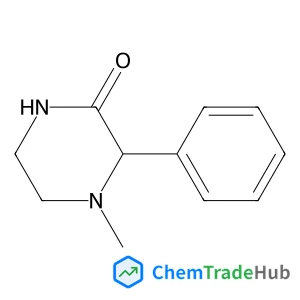
This compound is mainly used as an intermediate in the synthesis of antipsychoti...
Waste containing 1-(D-Ribofuranosyl)-1,4-dihydro-3-pyridinecarboxamide (CAS: 191...
2-Methyl-2-propanyl 3-bromo-3-(hydroxymethyl)-1-azetidinecarboxylate (CAS: 20079...
N-(4-Chloro-2-pyridinyl)acetamide (CAS: 245056-66-0) is a chemical compound with...
5-Chloro-2-hydroxybenzoic acid, also known as 5-chlorosalicylic acid, is an arom...
When handling 1,1-Dichloro-1-fluoroethane (CAS: 1717-00-6), it is important to u...
Fmoc-(2S,3R)-3-phenylpyrrolidine-2-carboxylic acid is a white crystalline solid ...
4-Amino-5-bromo-2-pyridinecarboxylic acid is primarily used as a precursor in th...
Handling this compound should be done with personal protective equipment (PPE) i...
When handling 8-bromo-2,2-dimethyl-3,4-dihydro-2H-1,4-benzoxazin-3-one, use prop...

Physical Chemistry Chemical Physics (PCCP) is an international journal co-owned by 19 physical chemistry and physics societies from around the world. This journal publishes original, cutting-edge research in physical chemistry, chemical physics and biophysical chemistry. To be suitable for publication in PCCP, articles must include significant innovation and/or insight into physical chemistry; this is the most important criterion that reviewers and Editors will judge against when evaluating submissions. The journal has a broad scope and welcomes contributions spanning experiment, theory, computation and data science. Topical coverage includes spectroscopy, dynamics, kinetics, statistical mechanics, thermodynamics, electrochemistry, catalysis, surface science, quantum mechanics, quantum computing and machine learning. Interdisciplinary research areas such as polymers and soft matter, materials, nanoscience, energy, surfaces/interfaces, and biophysical chemistry are welcomed if they demonstrate significant innovation and/or insight into physical chemistry. Joined experimental/theoretical studies are particularly appreciated when complementary and based on up-to-date approaches.