6-Bromo-3,4-dihydro-2H-1,4-benzoxazine hydrochloride (1:1)
CAS Number:
1260803-10-8
Molecular Formula:
C8H9BrClNO
Quan-Song Li, Ze-Sheng Li
All polymer organic solar cells afford unique potentials due to the tunable chemical and electronic properties of both polymer donors and polymer acceptors. Compared with the rapid development of polymer donors, the development of polymer acceptors lags far behind. To seek high-performance polymer acceptors used in organic solar cells, based on the experimentally reported D–A polymer acceptor (NDI2OD-T2)n (P1), a series of novel acceptors, designated as (BDTNDI2OD-T2)n(P2), (BDTNDTI)n(P3), (BDTNDI2OD-Tz2)n(P4), and (BDTNDTzI)n(P5), were designed by introduction of a benzodithiophene (BDT) unit and the nitrogen atom in the bridged thiophene ring. The density functional theory (DFT) and time-dependent density functional theory (TDDFT) methods were applied to study the effect of the BDT unit and the nitrogen atom on the geometrical, optical, electronic, and charge transport properties. The obtained results show that incorporation of the electron-donating BDT unit into P1 and the replacement of a carbon atom by the nitrogen atom in the bridged thiophene ring are effective strategies to lower the lowest unoccupied molecular orbital (LUMO) energy and exciton binding energy, and enhance light-absorbing capacity and electron mobility. Moreover, among the investigated molecules, P2 and P5 exhibit stronger and broader light absorption, higher light absorption efficiency and exciton separation ability as well as electron mobility; therefore they are recommended as promising polymer acceptors for future high-efficiency organic solar cells.
Mariano J. Garcia-Soto, Karsten Haupt, Carlo Gonzato
DOI: 10.1039/C7PY01113J
Marianne S. Rolph, Anaïs Pitto-Barry, Rachel K. O'Reilly
DOI: 10.1039/C7PY00219J
Benoit Louage, Liesa Tack, Yadong Wang, Bruno G. De Geest
DOI: 10.1039/C6PY02192A
Fiona L. Hatton, Joseph R. Lovett, Steven P. Armes
DOI: 10.1039/C7PY01107E
Karol Erfurt, Anna Chrobok, Andrzej Zięba
DOI: 10.1039/C7PY01046J
Michał Szuwarzyński, Karol Wolski, Szczepan Zapotoczny
DOI: 10.1039/C6PY00977H
Ryan Guterman, Tristan D. Harrison, Paul J. Ragogna
DOI: 10.1039/C7PY00438A
G. Bissadi, R. Weberskirch
DOI: 10.1039/C6PY01034B
Jean-Rémi Pouliot, Bin Sun, Mikaël Leduc, Ahmed Najari, Yuning Li, Mario Leclerc
DOI: 10.1039/C4PY01222D
4-Nitrophenyl phosphate disodium salt hexahydrate is primarily used as a substra...
2-(Trifluoromethyl)-1,3-oxazole-4-carboxylic Acid (CAS: 1060816-01-4) is widely ...
2-Fluoro-4-biphenylcarboxylic acid should be stored in a cool, dry place at room...
Prednisolone-21-Carboxylic Acid is primarily used in the pharmaceutical industry...
4-(Hydrazinomethyl)-1,2,3-benzenetriol (CAS: 3614-72-0) should be stored in a co...
4-Amino-1-methyl-1H-pyrazole-5-carboxylic acid hydrochloride (CAS: 92534-70-8) i...
Dehydropachymic acid (CAS: 77012-31-8) is regulated by various agencies. It fall...
The market and research trends for 6-[(2,2-Dimethylpropanoyl)amino]nicotinic aci...
1,10-Phenanthroline-2,9-dicarbaldehyde should be stored in a cool, dry place awa...
5-Carbamoyl-11-oxo-10,11-dihydro-5H-dibenzo[b,f]azepin-10-yl acetate can be synt...

Physical Chemistry Chemical Physics (PCCP) is an international journal co-owned by 19 physical chemistry and physics societies from around the world. This journal publishes original, cutting-edge research in physical chemistry, chemical physics and biophysical chemistry. To be suitable for publication in PCCP, articles must include significant innovation and/or insight into physical chemistry; this is the most important criterion that reviewers and Editors will judge against when evaluating submissions. The journal has a broad scope and welcomes contributions spanning experiment, theory, computation and data science. Topical coverage includes spectroscopy, dynamics, kinetics, statistical mechanics, thermodynamics, electrochemistry, catalysis, surface science, quantum mechanics, quantum computing and machine learning. Interdisciplinary research areas such as polymers and soft matter, materials, nanoscience, energy, surfaces/interfaces, and biophysical chemistry are welcomed if they demonstrate significant innovation and/or insight into physical chemistry. Joined experimental/theoretical studies are particularly appreciated when complementary and based on up-to-date approaches.
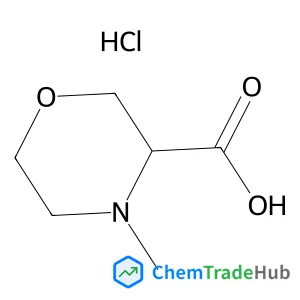
![1-[(4-Methylphenyl)sulfonyl]-3-(4,4,5,5-tetramethyl-1,3,2-dioxaborolan-2-yl)-1H-pyrrolo[2,3-b]pyridine-5-carbonitrile structure](https://static.chemtradehub.com/structs/143/1434747-57-5-fc0d.webp "1-[(4-Methylphenyl)sulfonyl]-3-(4,4,5,5-tetramethyl-1,3,2-dioxaborolan-2-yl)-1H-pyrrolo[2,3-b]pyridine-5-carbonitrile structure")