![[3-Fluoro-4-(1-pyrrolidinylcarbonyl)phenyl]boronic acid structure](https://static.chemtradehub.com/structs/874/874289-09-5-e3d4.webp "[3-Fluoro-4-(1-pyrrolidinylcarbonyl)phenyl]boronic acid structure")
[3-Fluoro-4-(1-pyrrolidinylcarbonyl)phenyl]boronic acid
CAS Number:
874289-09-5
Molecular Formula:
C11H13BFNO3
A. Ryzhikov, I. Khay, H. Nouali, T. J. Daou, J. Patarin
High pressure water and electrolyte solutions intrusion–extrusion experiments in pure-silica *BEA-type zeolite (zeosil β) were performed in order to study the performances of these systems in energy absorption and storage. The “zeosil β–water” system displays a bumper behavior with an intrusion pressure of 53 MPa and an absorbed energy of 8.3 J g−1. For the “zeosil β–LiCl aqueous solutions” systems the intrusion pressure increases with the LiCl concentration to 95, 111 and 115 MPa for 10, 15 and 20 M solution, respectively. However, for concentrations above 10 M, a transformation of the system behavior from bumper to shock-absorber is observed. The zeolite samples were characterized by several structural and physicochemical methods (XRD, TGA, solid-state NMR, N2 physisorption, ICP-OES) before and after intrusion–extrusion experiments in order to understand the influence of the LiCl concentration on the intrusion–extrusion behavior. It is shown that the intrusion of water and LiCl solutions with low concentration leads to the formation of Si-(OSi)3OH groups, whereas no defects are observed under intrusion of concentrated LiCl solutions. A possible mechanism of LiCl solution intrusion based on separate intrusion of H2O molecules and Li(H2O)x+ ions is proposed.
Christel Gervais, Christian Brouder, Nicolas Trcera, Amélie Bordage, Cristina Coelho-Diogo, Pierre Florian, Aydar Rakhmatullin, Lorenzo Paulatto, Michele Lazzeri, Delphine Cabaret
DOI: 10.1039/C6CP08393E
Eesh Vaghela, M. J. Keshvani, Keval Gadani, Zalak Joshi, Hetal Boricha, K. Asokan, D. Venkateshwarlu, V. Ganesan, N. A. Shah, P. S. Solanki
DOI: 10.1039/C6CP07730G
Guillaume Bareigts, Christophe Labbez
DOI: 10.1039/C6CP08056A
Ke Zhang, Rashid Khan, Hongyan Guo, Irfan Ali, Xiuling Li, Yunxiang Lin, Haiping Chen, Wensheng Yan, Xiaojun Wu, Li Song
DOI: 10.1039/C6CP07270D
Ziyun Wang, Christopher Hardacre, Wen-Feng Lin
DOI: 10.1039/C6CP06906A
Hui Li, Wei Chen, Xiaopeng Shen, Jingwei Liu, Xuri Huang, Guangtao Yu
DOI: 10.1039/C6CP06717D
Stefan Vuckovic, Tom J. P. Irons, Lucas O. Wagner, Andrew M. Teale, Paola Gori-Giorgi
DOI: 10.1039/C6CP08704C
Josep Bonet Avalos
DOI: 10.1039/C6CP08511C
(5-Sulfamoyl-3-pyridinyl)boronic acid is primarily used in chemical synthesis, p...
Benzyl 2-methyl-2-(methylsulfonyl)-4-pentenoate is typically synthesized via est...
When handling 8-Fluoroquinolin-6-ol (CAS: 209353-22-0), it is important to use p...
1,3-Dibromo-5-(2-methyl-2-propanyl)benzene (CAS: 129316-09-2) is a crystalline c...
Ethyl 7-chloro-4-oxo-1-(1,3-thiazol-2-yl)-1,4-dihydro-1,8-naphthyridine-3-carbox...
When handling Delta-7-Avenasterol (CAS: 23290-26-8), it is important to wear app...
Proper handling involves the use of personal protective equipment such as gloves...
When handling 2-Methyl-2-proanyl 4-[(2-aminophenyl)amino]-1-piperidinecarboxylat...
N-Methyl-4-chlorobenzylamine hydrochloride (CAS: 65542-24-7) is a organic compou...
[2-(Dodecyloxy)ethoxy]acetic acid (CAS: 27306-90-7) is generally considered safe...

Physical Chemistry Chemical Physics (PCCP) is an international journal co-owned by 19 physical chemistry and physics societies from around the world. This journal publishes original, cutting-edge research in physical chemistry, chemical physics and biophysical chemistry. To be suitable for publication in PCCP, articles must include significant innovation and/or insight into physical chemistry; this is the most important criterion that reviewers and Editors will judge against when evaluating submissions. The journal has a broad scope and welcomes contributions spanning experiment, theory, computation and data science. Topical coverage includes spectroscopy, dynamics, kinetics, statistical mechanics, thermodynamics, electrochemistry, catalysis, surface science, quantum mechanics, quantum computing and machine learning. Interdisciplinary research areas such as polymers and soft matter, materials, nanoscience, energy, surfaces/interfaces, and biophysical chemistry are welcomed if they demonstrate significant innovation and/or insight into physical chemistry. Joined experimental/theoretical studies are particularly appreciated when complementary and based on up-to-date approaches.
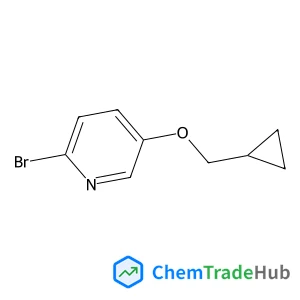
![2-Methyl-2-propanyl 4-oxo-3,9-diazabicyclo[4.2.1]nonane-9-carboxylate structure](https://static.chemtradehub.com/structs/131/1312456-05-5-9a15.webp "2-Methyl-2-propanyl 4-oxo-3,9-diazabicyclo[4.2.1]nonane-9-carboxylate structure")