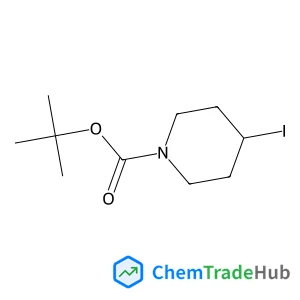
2-Methyl-2-propanyl 4-iodo-1-piperidinecarboxylate
CAS Number:
301673-14-3
Molecular Formula:
C10H18INO2
Vahid Mortazavi, Roshan M. D'Souza, Michael Nosonovsky
We use the Cellular Potts Model (CPM) to study the contact angle (CA) hysteresis in multiphase (solid–liquid–vapour) systems. We simulate a droplet over the tilted patterned surface, and a bubble placed under the surface immersed in liquid. The difference between bubbles and droplets was discussed through their CA hysteresis. Dependency of CA hysteresis on the surface structure and other parameters was also investigated. This analysis allows decoupling of the 1D (pinning of the triple line) and 2D (adhesion hysteresis in the contact area) effects and provides new insight into the nature of CA hysteresis.

Kinetics and Catalysis

Science Progress

Proceedings of the National Academy of Sciences of the United States of America

Journal of Organometallic Chemistry

Pharmacological Reviews

Israel Journal of Chemistry

European Journal of Wood and Wood Products

Journal of Physics and Chemistry of Solids

Pure and Applied Chemistry

Molecular Pharmacology
Zimei Rong, Umber Cheema, Pankaj Vadgama
DOI: 10.1039/B600334F
Tatineni Balaji, Manickam Sasidharan, Hideyuki Matsunaga
DOI: 10.1039/B503261J
Andrew Mills, David Hazafy
DOI: 10.1039/B713450A
Jennifer A. Lyn, Michael H. Ramsey, D. Stephen Coad, Andrew P. Damant, Roger Wood, Katy A. Boon
DOI: 10.1039/B702691A
Justin T. Baca, David N. Finegold, Sanford A. Asher
DOI: 10.1039/B712482A
Yohannes H. Rezenom, Jianan Dong, Kermit K. Murray
DOI: 10.1039/B715146B
Malin Edvardsson, Michael Rodahl, Fredrik Höök
DOI: 10.1039/B601800A
Andrew O. Simm, Olga Ordeig, Javier del Campo, Francesc Xavier Muñoz, Richard G. Compton
DOI: 10.1039/B607888E
Moritz Hebestreit, Ulrich Flenker, Gregor Fußhöller, Hans Geyer, Ute Güntner, Ute Mareck, Thomas Piper, Mario Thevis, Christiane Ayotte, Wilhelm Schänzer
DOI: 10.1039/B603668F
Anita Isaac, Andrew J. Wain, Richard G. Compton, Callum Livingstone, James Davis
DOI: 10.1039/B509721E
Waste containing (6-Bromo-2-naphthyl)oxy](dimethyl)(2-methyl-2-propanyl)silane (...
7-Fluoro-4-isoquinolinecarboxylic acid can be synthesized via a multi-step proce...
2,3,5,6-Tetrabromothieno[3,2-b]thiophene is a crystalline compound with a high m...
1-[4-(Benzylamino)-7,8-dihydro-5H-pyrano[4,3-d]pyrimidin-2-yl]-2-methyl-1H-indol...
The market for imidazo[5,1-d]-1,2,3,5-tetrazine-8-carboxylic acid, 3,4-dihydro-3...
3-(Triisopropylsilyl)propiolaldehyde is a synthetic organic compound with the CA...
6-Nitro-2H-1,4-benzoxazin-3(4H)-one (CAS: 81721-87-1) is subject to various regu...
Waste containing (3-Fluorophenyl)(4-{[(2-methyl-2-propanyl)oxy]carbonyl}-1-piper...
N,N'-4,4'-Biphenyldiyldiisonicotinamide is a white crystalline solid with a mole...
6-Bromo-8-fluoro-2-quinazolinol is primarily used in the pharmaceutical industry...

Physical Chemistry Chemical Physics (PCCP) is an international journal co-owned by 19 physical chemistry and physics societies from around the world. This journal publishes original, cutting-edge research in physical chemistry, chemical physics and biophysical chemistry. To be suitable for publication in PCCP, articles must include significant innovation and/or insight into physical chemistry; this is the most important criterion that reviewers and Editors will judge against when evaluating submissions. The journal has a broad scope and welcomes contributions spanning experiment, theory, computation and data science. Topical coverage includes spectroscopy, dynamics, kinetics, statistical mechanics, thermodynamics, electrochemistry, catalysis, surface science, quantum mechanics, quantum computing and machine learning. Interdisciplinary research areas such as polymers and soft matter, materials, nanoscience, energy, surfaces/interfaces, and biophysical chemistry are welcomed if they demonstrate significant innovation and/or insight into physical chemistry. Joined experimental/theoretical studies are particularly appreciated when complementary and based on up-to-date approaches.