



Methyl 2-amino-4-(4-chlorophenyl)-5-pyrimidinecarboxylate
CAS Number:
1133115-56-6
Molecular Formula:
C12H10ClN3O2
Etienne Grau, Jean-Pierre Broyer, Christophe Boisson, Roger Spitz, Vincent Monteil
Free radical polymerization of ethylene in an intermediate pressure and temperature range (Pethylene < 250 bar and 50 °C < T < 90 °C) in the presence of an organic solvent has been studied. Under selected conditions (P, T) and according to the amount of organic solvent added, either a supercritical monophasic or a biphasic medium is obtained. In the case of a biphasic medium, polymerization occurred in the liquid phase in which radical initiator and ethylenes are dissolved. The transition between a monophasic to a biphasic medium has been predicted using thermodynamic calculations and has been related to experimental observations such as the dependence of polymerization activity versus solvent volume.

Critical Reviews in Solid State and Materials Sciences

Journal of Asian Natural Products Research

Herald of the Russian Academy of Sciences

Chinese Journal of Chemistry

Topics in Catalysis

Medicinal Chemistry Research

Main Group Chemistry

Polycyclic Aromatic Compounds

Electroanalysis

Biocatalysis and Biotransformation
Alexander L. Osipov, Sergei F. Vyboishchikov, Konstantin Y. Dorogov, Lyudmila G. Kuzmina, Judith A. K. Howard, Dmitrii A. Lemenovskii, Georgii I. Nikonov
DOI: 10.1039/B500679A
Charlotte M. Haskins, David W. Knight
DOI: 10.1039/B417625C
Akira Iida, Kenta Takai, Tomohito Okabayashi, Tomonori Misaki, Yoo Tanabe
DOI: 10.1039/B504750A
P. Davide Cozzoli, M. Lucia Curri
DOI: 10.1039/B503774C
Avelino Corma, Marta Iglesias, Felix Sánchez
DOI: 10.1039/B505271H
Deborah Longbottom
DOI: 10.1039/B506397N
Stellios Arseniyadis, Pithani V. Subhash, Alain Valleix, Alain Wagner
DOI: 10.1039/B504200C
Lei Zhang, Jianzhong Yang, Christopher L. Edwards, Lawrence B. Alemany, Valery N. Khabashesku, Andrew R. Barron
DOI: 10.1039/B500125K
Simon Burk, Giancarlo Franciò
DOI: 10.1039/B505195A
2-Methylbenzene-1,4-diamine dihydrochloride (CAS: 615-45-2) should be stored in ...
(1S,4S)-2,5-Diazabicyclo[2.2.1]heptane dihydrobromide is generally considered sa...
(6-Chloropyridazin-3-YL)methanamine finds applications in the pharmaceutical ind...
2-Fluoro-3-methylphenol is primarily used in the synthesis of pharmaceuticals, p...
When handling 3-Methoxy-4-nitrobenzonitrile, it is important to wear appropriate...
When handling 1,3-Oxazolo[4,5-b]pyridine-2(3H)-thione (CAS: 211949-57-4), it is ...
4-Ethynylbenzamide (CAS: 90347-86-7) falls under various regulatory guidelines i...
3-(2-Ethylphenyl)-2-thioxo-4-imidazolidinone is primarily used as an intermediat...
(2-Fluoro-6-methoxyphenyl)acetic acid, also known as 4-fluoro-3-methoxybenzoic a...
Market trends for 2-[4-(Hydroxymethyl)phenoxy]ethanol (CAS: 102196-18-9) indicat...

Physical Chemistry Chemical Physics (PCCP) is an international journal co-owned by 19 physical chemistry and physics societies from around the world. This journal publishes original, cutting-edge research in physical chemistry, chemical physics and biophysical chemistry. To be suitable for publication in PCCP, articles must include significant innovation and/or insight into physical chemistry; this is the most important criterion that reviewers and Editors will judge against when evaluating submissions. The journal has a broad scope and welcomes contributions spanning experiment, theory, computation and data science. Topical coverage includes spectroscopy, dynamics, kinetics, statistical mechanics, thermodynamics, electrochemistry, catalysis, surface science, quantum mechanics, quantum computing and machine learning. Interdisciplinary research areas such as polymers and soft matter, materials, nanoscience, energy, surfaces/interfaces, and biophysical chemistry are welcomed if they demonstrate significant innovation and/or insight into physical chemistry. Joined experimental/theoretical studies are particularly appreciated when complementary and based on up-to-date approaches.
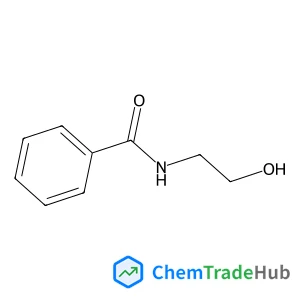
![(1R,6R)-6-({[(2-Methyl-2-propanyl)oxy]carbonyl}amino)-3-cyclohexene-1-carboxylic acid structure](https://static.chemtradehub.com/structs/865/865689-24-3-5fef.webp "(1R,6R)-6-({[(2-Methyl-2-propanyl)oxy]carbonyl}amino)-3-cyclohexene-1-carboxylic acid structure")
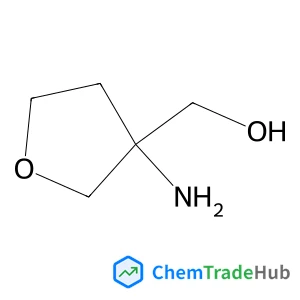
![Methyl 2-[5-(3-Phenoxyphenyl)-2H-tetrazol-2-yl]acetate structure](https://static.chemtradehub.com/structs/130/1305320-60-8-84b4.webp "Methyl 2-[5-(3-Phenoxyphenyl)-2H-tetrazol-2-yl]acetate structure")






