![9H-Fluoren-9-ylmethyl [(2S)-1-hydroxy-3-(1H-indol-3-yl)-2-propanyl]carbamate structure](https://static.chemtradehub.com/structs/153/153815-60-2-a67d.webp "9H-Fluoren-9-ylmethyl [(2S)-1-hydroxy-3-(1H-indol-3-yl)-2-propanyl]carbamate structure")
9H-Fluoren-9-ylmethyl [(2S)-1-hydroxy-3-(1H-indol-3-yl)-2-propanyl]carbamate
CAS Number:
153815-60-2
Molecular Formula:
C26H24N2O3
Cunshun Huang, Sridhar A. Lahankar, Myung Hwa Kim, Bailin Zhang, Arthur G. Suits
We demonstrate a hybrid Doppler-free/Doppler-sliced ion imaging approach that is well-suited for detection of H or D atoms. The method relies on 2 + 1 resonant ionization with identical, nearly counterpropagating beams that are coplanar but directed at a small angle relative to the detector face. This results in Doppler selection of the velocity component along the time of flight axis but Doppler-free detection in the plane perpendicular to this axis. The results show high signal level and excellent slicing (∼5%), yielding velocity resolution completely determined by cation recoil in the ionization step.

Acta Materialia

Russian Chemical Bulletin

Drug Discovery Today

Chemical Communications

Chemistry Education Research and Practice

Russian Journal of Bioorganic Chemistry

Current Opinion in Colloid & Interface Science

Journal of Saudi Chemical Society

Russian Journal of Organic Chemistry

Journal of Peptide Science
Pedro G. Demingos, André R. Muniz
DOI: 10.1039/D0CP05847E
Cristian Privat, José M. Granadino-Roldán, Jordi Bonet, Maria Santos Tomas, Juan J. Perez, Jaime Rubio-Martinez
DOI: 10.1039/D0CP05471B
Meng-yao Liu, Jian Wang, Kai-xuan Yang, Ming Liu, Zi-jin Zhao, Fu-jun Zhang
DOI: 10.1039/D0CP05811D
Kyoungmin Min, Young-Han Shin
DOI: 10.1039/D0CP04974C
Shan-Shan Wang, Wencong Sun, Shuai Dong
DOI: 10.1039/D0CP05374K
Jie Liu, Bing Bu, Michael Crowe, Dechang Li, Jiajie Diao, Baohua Ji
DOI: 10.1039/D0CP03546G
J. Puibasset, P. Judeinstein, J.-M. Zanotti
DOI: 10.1039/D0CP05387B
Yiming Mi
DOI: 10.1039/D0CP05622G
Suvasthika Indrajith, Alicja Domaracka, Patrick Rousseau, Bernd A. Huber, Paola Bolognesi, Robert Richter, Lorenzo Avaldi, Marta Łabuda
DOI: 10.1039/D0CP04890A
Ethyl 4-chlorothieno[2,3-b]pyridine-5-carboxylate (CAS: 59713-58-5) can be synth...
5-Methyl-1H-indole-3-carbaldehyde (CAS: 52562-50-2) is subject to various regula...
(1,3-Dimethyl-2,4-dioxo-1,2,3,4-tetrahydro-5-pyrimidinyl)boronic acid is a white...
Waste containing Sulfocostunolide A (CAS: 1016983-51-9) should be handled with c...
When handling Murraxocin (CAS: 88478-44-8), ensure proper personal protective eq...
Formvar (CAS: 63148-64-1) is an alkyd resin characterized by a high molecular we...
(S)-4-benzyl-2-((benzyloxy)methyl)morpholine is generally safe when handled with...
Methyl 1-(5-bromo-2-pyrimidinyl)cyclopropanecarboxylate (CAS: 1447607-69-3) is p...
2-Methyl-1-phenyl-1-propanamine hydrochloride (CAS: 24290-47-9) is generally con...
3-(4-Bromophenyl)-2-methylpropanoic acid is synthesized through a multi-step pro...

Physical Chemistry Chemical Physics (PCCP) is an international journal co-owned by 19 physical chemistry and physics societies from around the world. This journal publishes original, cutting-edge research in physical chemistry, chemical physics and biophysical chemistry. To be suitable for publication in PCCP, articles must include significant innovation and/or insight into physical chemistry; this is the most important criterion that reviewers and Editors will judge against when evaluating submissions. The journal has a broad scope and welcomes contributions spanning experiment, theory, computation and data science. Topical coverage includes spectroscopy, dynamics, kinetics, statistical mechanics, thermodynamics, electrochemistry, catalysis, surface science, quantum mechanics, quantum computing and machine learning. Interdisciplinary research areas such as polymers and soft matter, materials, nanoscience, energy, surfaces/interfaces, and biophysical chemistry are welcomed if they demonstrate significant innovation and/or insight into physical chemistry. Joined experimental/theoretical studies are particularly appreciated when complementary and based on up-to-date approaches.
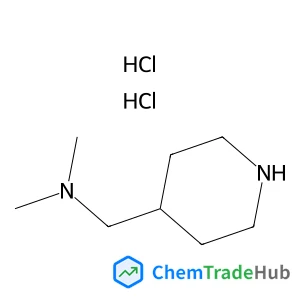
![Sodium 6-amino-3-[(E)-{4-[(E)-(4-aminophenyl)diazenyl]-2-methoxy-5-methylphenyl}diazenyl]-4-hydroxy-2-naphthalenesulfonate structure](https://static.chemtradehub.com/structs/294/2945-96-2-092f.webp "Sodium 6-amino-3-[(E)-{4-[(E)-(4-aminophenyl)diazenyl]-2-methoxy-5-methylphenyl}diazenyl]-4-hydroxy-2-naphthalenesulfonate structure")