



AD
Propylene glycol(CAS: 57-55-6)
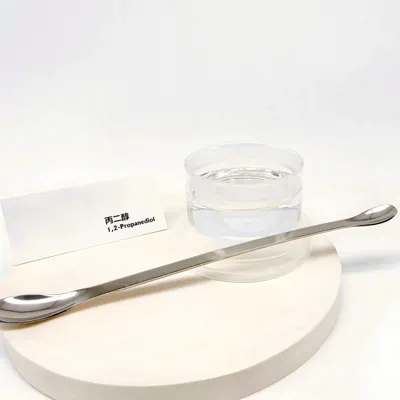
Product Description
INCI Name: Propylene Glycol
CAS Registry Number: 57-55-6
EINECS login number: 200-338-0
HS Code: 2905320000
Molecular formula : C3H8O2
Molecular weight: 76.09
Related Products
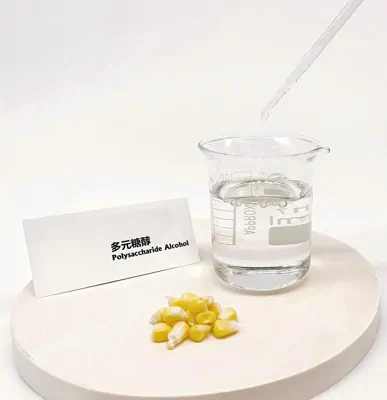
Hydrogenated Starch Hydrolysate
CAS Number: 68425-17-2
1,3-Propanediol
CAS Number: 504-63-2
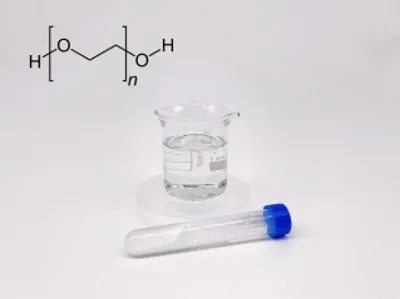
Polyethylene glycol
CAS Number: 25322-68-3
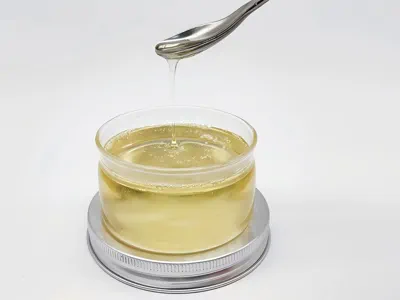
![3-[(3-{[6-Deoxy-2-O-(6-deoxy-alpha-L-mannopyranosyl)-alpha-L-mannopyranosyl]oxy}decanoyl)oxy]decanoic acid](https://static.chemtradehub.com/productimgs/697c6f81b06cc0082f0b2526/pending-6c2c5e6a-09de-477d-bc4e-18f9ca2a4a91.webp)
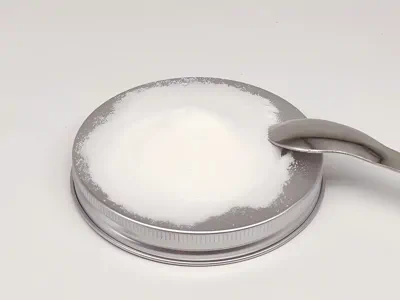
Sodium dodecyl sulfate
CAS Number: 151-21-3
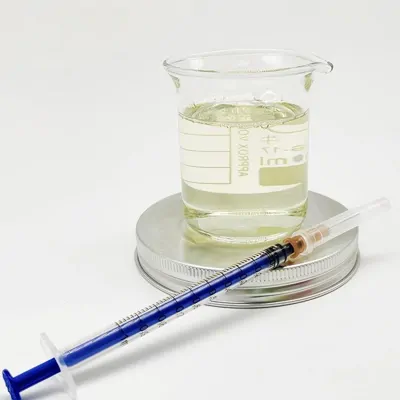
Lauramidopropyl betaine
CAS Number: 86438-79-1
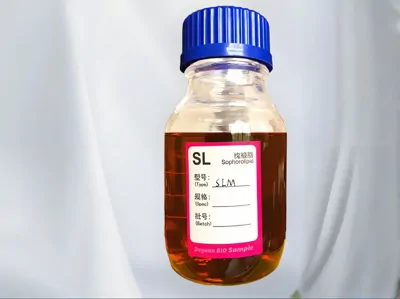
Lactonic Sophorolipid
CAS Number: 148409-20-5
Other Suppliers for Propylene glycol

Basic Information
Molecular Formula
C3H8O2
Molecular Weight
76.1 g/mol
Physical Properties
Melting Point
−60 °C (lit.)
Boiling Point
187 °C(lit.)
Water Solubility
miscible
Chemical Identifiers
SMILES
CC(CO)O
InChIKey
DNIAPMSPPWPWGF-UHFFFAOYSA-N
Database References
MDL Number
MFCD00064272
Beilstein Registry Number
1340498
FAQ
Propylene glycol (CAS: 57-55-6) is a colorless, odorless, and viscous liquid with the chemical formula C3H8O2. It is a diol, meaning it contains two hydroxyl groups, and is commonly used as a humectant, solvent, and antifreeze agent. This compound is miscible with water and has a high boiling point, which contributes to its stability in various applications. Propylene glycol is known for its hygroscopic nature, allowing it to absorb moisture from the air, making it valuable in industries requiring moisture control. Its low toxicity compared to ethylene glycol makes it a preferred choice in food and pharmaceutical products. The compound is also used as a plasticizer in polymers, enhancing flexibility and durability. Propylene glycol’s chemical structure and physical properties make it versatile for use in both industrial and consumer settings. Safety standards and regulatory guidelines ensure its proper handling, while its chemical inertness and solubility support its wide range of applications.
Propylene glycol (CAS: 57-55-6) is widely used in pharmaceuticals, food, and industrial applications. In the pharmaceutical industry, it serves as a solvent, preservative, and stabilizer in drug formulations, helping to maintain product quality and enhance solubility. It is also used in topical medications and as a carrier for active ingredients. In the food industry, propylene glycol acts as a sweetener, humectant, and texture modifier, commonly found in beverages, confectionery, and baked goods. Industrially, it is a key component in antifreeze solutions, de-icing agents, and as a raw material for producing other chemicals. Additionally, it is used in cosmetics and personal care products for its moisturizing properties. Propylene glycol’s versatility stems from its ability to mix with both water and oils, making it suitable for diverse applications. Its chemical properties ensure effectiveness in these fields, while compliance with safety standards ensures its widespread use.
Propylene glycol (CAS: 57-55-6) is generally recognized as safe (GRAS) by the FDA for use in food and pharmaceutical products. However, proper handling is essential to ensure safety. While it has low toxicity, prolonged skin contact may cause irritation, and inhalation of vapors can lead to respiratory discomfort. Safety standards, such as those outlined by OSHA and the EPA, emphasize the need for protective measures like gloves, goggles, and ventilation when working with larger quantities. In industrial settings, adherence to safety data sheets (SDS) is crucial to identify potential hazards and mitigation strategies. The compound is considered non-flammable and has a low risk of combustion, but it should be stored away from heat sources. Its safety profile makes it a preferred alternative to more hazardous substances like ethylene glycol in many applications.
Propylene glycol (CAS: 57-55-6) should be stored in a cool, dry, and well-ventilated area to maintain its stability and prevent degradation. It is best kept in sealed, airtight containers to avoid moisture absorption, which can affect its consistency. Storage temperature should ideally remain below 25°C (77°F) to prevent any chemical changes. Exposure to direct sunlight or high humidity should be minimized to preserve its quality. The compound is non-reactive but should be stored away from strong oxidizers or incompatible materials to ensure safety. When handling large quantities, proper labeling and storage in designated chemical cabinets are recommended. Regular checks for container integrity and adherence to storage guidelines help maintain its effectiveness and safety over time.
Safety Notice
Please verify product specifications and safety data before use. Contact the supplier for detailed safety information.
Always follow proper handling procedures

Contact Information
Contact Person
Ning
cornigsbp@cornigs.com
Mobile
+8613402501627
Telephone
+8613402501627
Fax
+8613402501627
Visit Website
http://www.biocornigs.comAddress
Room 101, Building 4, No. 30 Nanguandu Road, Wuzhong Economic Development Zone, Suzhou City, Jiangsu Province