



AD
4-AMINO-2,1,3-BENZOTHIADIAZOLE(CAS: 767-64-6)
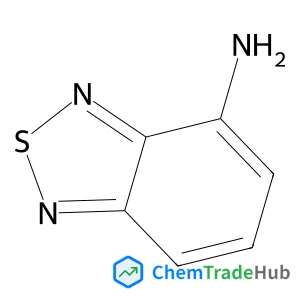
CAS Number
Related Products
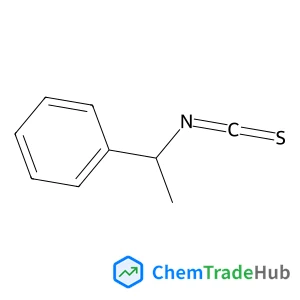
(+)-1-PHENYLETHYL ISOTHIOCYANATE
CAS Number: 4478-92-6
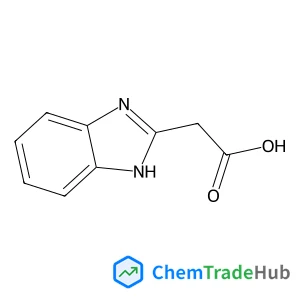
(1H-BENZIMIDAZOL-2-YL)ACETIC ACID
CAS Number: 13570-08-6

(1H-PYRROL-1-YL)PENTAFLUOROBENZENE
CAS Number: 344452-95-5
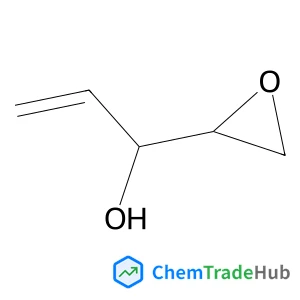
(1R)-1-(2S)-Oxiran-2-ylprop-2-en-1-ol
CAS Number: 102490-00-6
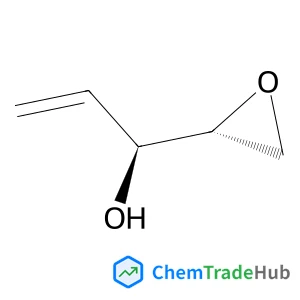
(1S)-1-(2R)-Oxiran-2-ylprop-2-en-1-ol
CAS Number: 100017-22-9
Other Suppliers for 4-AMINO-2,1,3-BENZOTHIADIAZOLE






Basic Information
Molecular Formula
C6H5N3S
Molecular Weight
151.19 g/mol
Physical Properties
Melting Point
67-69 °C (lit.)
Boiling Point
314
Density
1.485
Flash Point
137.1°C
Water Solubility
Insoluble in water.
Chemical Identifiers
SMILES
C1=CC2=NSN=C2C(=C1)N
InChIKey
DRLGIZIAMHIQHL-UHFFFAOYSA-N
Database References
MDL Number
MFCD00005810
Beilstein Registry Number
0003551
FAQ
2,1,3-Benzothiadiazol-4-amine is a white to off-white crystalline solid with a molecular weight of approximately 158.23 g/mol. It is slightly soluble in water and ethanol. Chemically, it shows basic properties due to the amine group and exhibits reactivity towards acidic conditions. It is stable under normal conditions but susceptible to hydrolysis in acidic media.
2,1,3-Benzothiadiazol-4-amine is typically synthesized by the reduction of 2,1,3-benzothiadiazolone with a reducing agent such as sodium borohydride or lithium aluminum hydride. The reaction is carried out in an inert solvent like dimethylformamide (DMF) at room temperature. The yield is generally good, around 80-90%, and the product can be isolated by filtration and recrystallization.
2,1,3-Benzothiadiazol-4-amine is used in various industries. It is particularly relevant in the pharmaceutical industry for the synthesis of drug intermediates. In the polymer industry, it serves as a stabilizer and antioxidant. It also finds applications in sensor technology for detecting certain gases and in semiconductor manufacturing as a dopant.
Proper handling of 2,1,3-Benzothiadiazol-4-amine requires the use of personal protective equipment (PPE) such as gloves, goggles, and a lab coat. Work should be conducted in a well-ventilated area or a fume hood to prevent inhalation. Spills should be cleaned up using absorbent materials and disposed of according to local regulations. Safety data sheets (SDS) should be consulted for detailed information on storage and disposal. Handling should be done in accordance with local and national regulations for chemical safety.
Safety Notice
Please verify product specifications and safety data before use. Contact the supplier for detailed safety information.
Always follow proper handling procedures
Contact Information
Contact Person
Juraj Duris
Mobile
+421 33 6403132
Telephone
+421 33 6403132
Fax
+421 33 6403133
Visit Website
https://www.georganics.sk