



AD
Potassium bis(trimethylsilyl)amide(CAS: 40949-94-8)
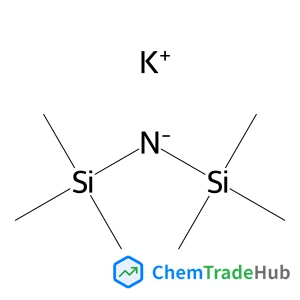
CAS Number
Related Products
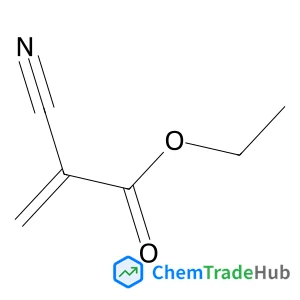
ethyl 2-cyanoprop-2-enoate
CAS Number: 7085-85-0
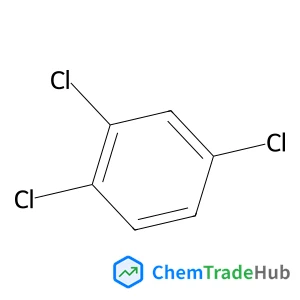
1,2,4-Trichlorobenzene
CAS Number: 120-82-1
![3-Azaspiro[5.5]undecane-2,4-dione](https://static.chemtradehub.com/structs/113/1130-32-1-48c2.webp)
3-Azaspiro[5.5]undecane-2,4-dione
CAS Number: 1130-32-1
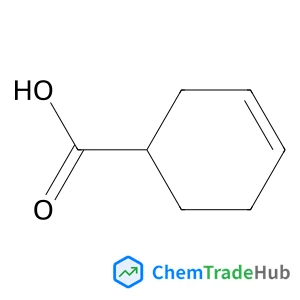
3-(3-Ethylcyclopentyl)propanoic acid
CAS Number: 1338-24-5
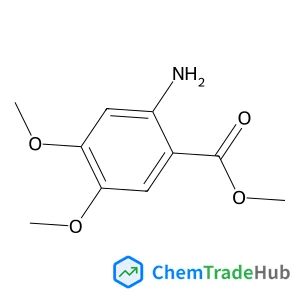
Methyl 2-amino-4,5-dimethoxybenzoate
CAS Number: 26759-46-6
Diiodomethane
CAS Number: 75-11-6
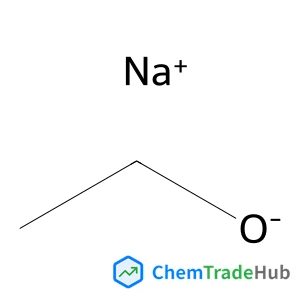
Sodium ethanolate
CAS Number: 141-52-6
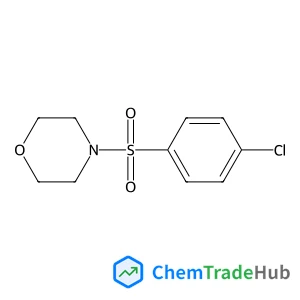
Other Suppliers for Potassium bis(trimethylsilyl)amide







Basic Information
Molecular Formula
C6H18KNSi2
Molecular Weight
199.48 g/mol
Physical Properties
Melting Point
No data available
Boiling Point
111 °C
Water Solubility
Reacts with water.
Chemical Identifiers
SMILES
C[Si](C)(C)[N-][Si](C)(C)C.[K+]
InChIKey
IUBQJLUDMLPAGT-UHFFFAOYSA-N
Database References
MDL Number
MFCD00010330
Beilstein Registry Number
4006754
FAQ
Potassium bis(trimethylsilyl)amide (CAS: 40949-94-8) is regulated under the Globally Harmonized System of Classification and Labelling of Chemicals (GHS) for its potential hazards, including flammability and skin/eye irritation. In the European Union, it falls under the Registration, Evaluation, Authorization and Restriction of Chemicals (REACH) regulation. Additionally, the Food and Drug Administration (FDA) and the Environmental Protection Agency (EPA) have specific guidelines for its use in pharmaceutical and industrial applications, focusing on safety and environmental impact.
While Potassium bis(trimethylsilyl)amide (CAS: 40949-94-8) is a valuable reagent, alternatives such as other silylating agents like tert-butyldimethylsilyl chloride or tert-butyldimethylsilyl trifluoroacetate can be used in synthesis. These alternatives offer similar functionality but with different reactivity and utility in various chemical transformations.
The market for Potassium bis(trimethylsilyl)amide (CAS: 40949-94-8) is driven by its use in organic synthesis, particularly in the pharmaceutical and polymer industries. Current research trends focus on its applications in catalysis and as a protecting group in organic reactions. Market trends indicate increasing demand, especially due to its role in green chemistry initiatives and its ability to enhance the efficiency of chemical processes.
Waste containing Potassium bis(trimethylsilyl)amide (CAS: 40949-94-8) should be collected in a sealed container and disposed of through a professional hazardous waste disposal service. Incineration is a common method for waste disposal, provided it is done in an enclosed, controlled environment to minimize environmental impact. Proper handling includes ensuring no leakage and adherence to local environmental protection regulations to prevent contamination of soil and water sources.
Safety Notice
Please verify product specifications and safety data before use. Contact the supplier for detailed safety information.
Always follow proper handling procedures
Contact Information
Contact Person
Jane