



AD
Hexamethoxydisilane(CAS: 5851-07-0)
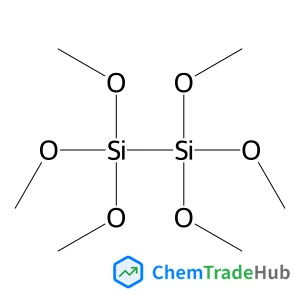
CAS Number
Related Products
![N-[3-[Tris(trimethylsiloxy)silyl]propyl]acrylamide](https://static.chemtradehub.com/structs/115/115258-10-1-577e.webp)
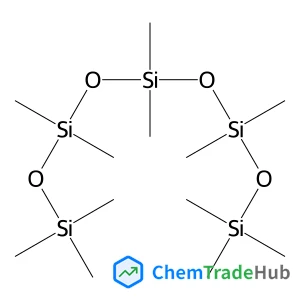
Dodecamethylpentasiloxane
CAS Number: 141-63-9
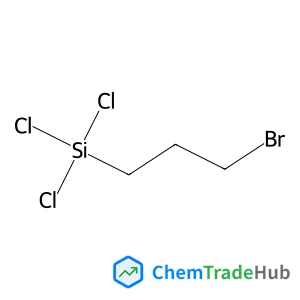
(3-Bromopropyl)(trichloro)silane
CAS Number: 13883-39-1
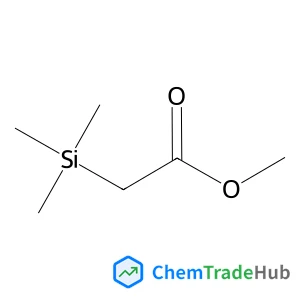
Methyl (trimethylsilyl)acetate
CAS Number: 2916-76-9
![1,2-Ethanediylbis[chloro(dimethyl)silane]](https://static.chemtradehub.com/structs/135/13528-93-3-260b.webp)
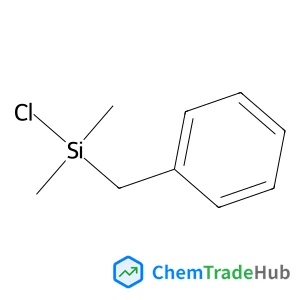
Benzyl(chloro)dimethylsilane
CAS Number: 1833-31-4
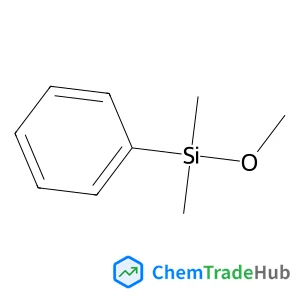
Methoxy(dimethyl)phenylsilane
CAS Number: 17881-88-8
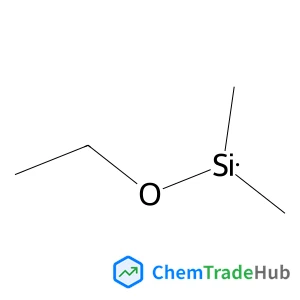
Ethoxy(dimethyl)silane
CAS Number: 14857-34-2
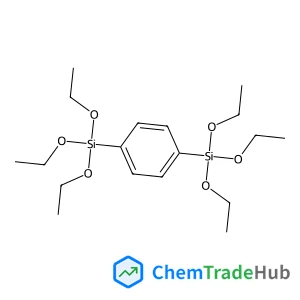
1,4-Phenylenebis(triethoxysilane)
CAS Number: 2615-18-1
Other Suppliers for Hexamethoxydisilane





Basic Information
Molecular Formula
C6H18O6Si2
Molecular Weight
242.38 g/mol
Physical Properties
Boiling Point
98°C/20mmHg
Flash Point
36.7°C
Chemical Identifiers
SMILES
CO[Si](OC)(OC)[Si](OC)(OC)OC
InChIKey
LMQGXNPPTQOGDG-UHFFFAOYSA-N
Database References
MDL Number
MFCD00271005
FAQ
Hexamethoxydisilane (CAS: 5851-07-0) is a colorless, viscous liquid at room temperature. It has a molecular weight of approximately 224.3 and a boiling point of around 125°C. The compound is poorly soluble in water but miscible with many organic solvents. It is highly reactive, particularly towards acids and bases, making it useful in chemical synthesis and surface modification applications.
Hexamethoxydisilane is typically synthesized through the reaction of chlorosilane derivatives with methanol, using a catalyst such as sodium methoxide. The process involves the substitution of chlorine groups with methoxy groups, leading to a high yield of the desired product. The reaction is selective and efficient, making it a common method in industrial synthesis.
Hexamethoxydisilane (CAS: 5851-07-0) finds applications in various industries, including pharmaceuticals, where it is used in the synthesis of organic compounds. It is also used in the production of polymers, where it enhances properties such as adhesion and flexibility. Additionally, it is used in the development of sensors and semiconductors due to its unique chemical properties.
When handling hexamethoxydisilane (CAS: 5851-07-0), it is essential to wear appropriate personal protective equipment (PPE), including gloves, goggles, and a lab coat. Ensure the work is conducted in a well-ventilated area or a fume hood. Spills should be handled using appropriate absorbent materials, and disposal should be done in accordance with local regulations. Refer to the safety data sheet (SDS) for detailed instructions on handling and storage.
Safety Notice
Please verify product specifications and safety data before use. Contact the supplier for detailed safety information.
Always follow proper handling procedures
Contact Information
Contact Person
Xiao Luo
2892064327@qq.com
Mobile
18516530597
Visit Website
http://www.qmsilicon.com/Address
No. 128 Yuantong Road, Pudong New Area, Shanghai