



AD
beta-D-Glucopyranosyl-(1->3)-beta-D-glucopyranosyl-(1->3)-beta-D-glucopyranose(CAS: 54724-00-4)
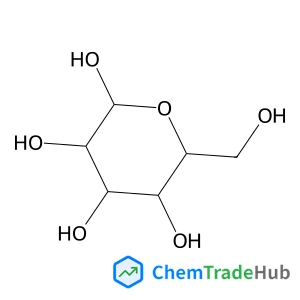
CAS Number
Related Products
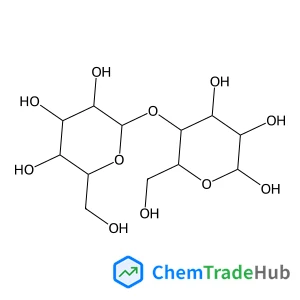
Deae-cellulose
CAS Number: 9004-34-6
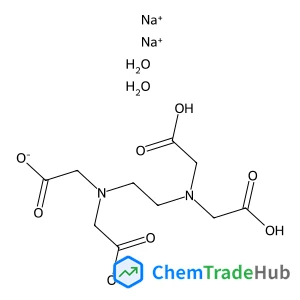
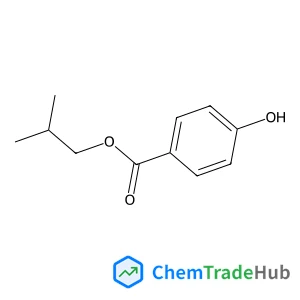
Isobutyl 4-hydroxybenzoate
CAS Number: 4247-02-3
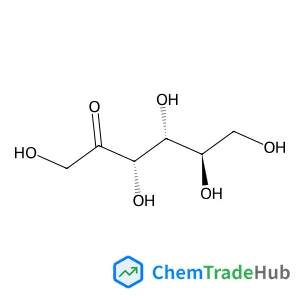
D-Fructose
CAS Number: 57-48-7
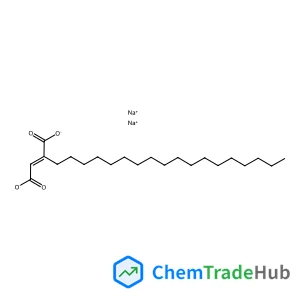
Sodium Stearyl Fumarate
CAS Number: 4070-80-8
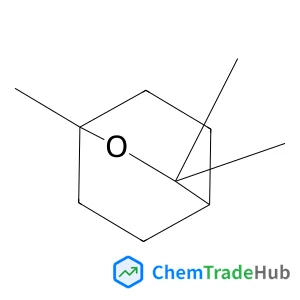
Eucalyptus Oil
CAS Number: 8000-48-4
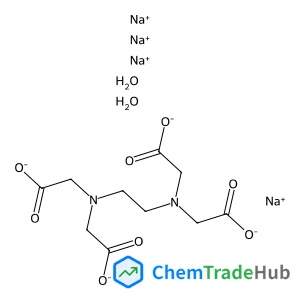
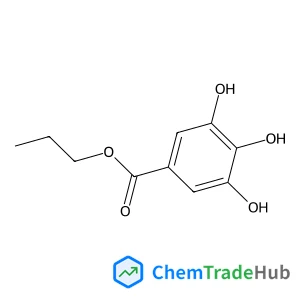
Propyl 3,4,5-trihydroxybenzoate
CAS Number: 121-79-9
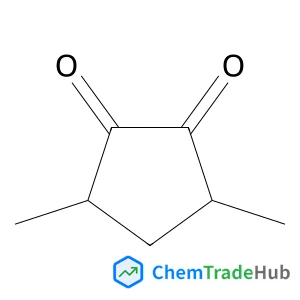
Caramel (color)
CAS Number: 8028-89-5
Other Suppliers for beta-D-Glucopyranosyl-(1->3)-beta-D-glucopyranosyl-(1->3)-beta-D-glucopyranose


Basic Information
Molecular Formula
C18H32O16
Molecular Weight
504.44 g/mol
Chemical Identifiers
SMILES
C(C1C(C(C(C(O1)O)O)O)O)O
InChIKey
DBTMGCOVALSLOR-AKJQSPAISA-N
Database References
MDL Number
MFCD00212920
FAQ
Beta-D-Glucopyranosyl-(1->3)-beta-D-glucopyranosyl-(1->3)-beta-D-glucopyranose is a complex polysaccharide composed of three glucose units linked by beta-(1->3) glycosidic bonds. It is a naturally occurring compound found in various biological systems and is known for its structural stability and biocompatibility. This compound has the chemical formula C18H32O16 and is typically a white powder with a high molecular weight.
This compound is primarily used in pharmaceutical applications as a component of immunomodulatory agents and as a stabilizer in drug formulations. It also finds use in the food industry as a dietary fiber supplement and in research for studying carbohydrate structures and their biological functions. Additionally, it is utilized in the production of certain bioactive materials and as a precursor for other derivatives.
Beta-D-Glucopyranosyl-(1->3)-beta-D-glucopyranosyl-(1->3)-beta-D-glucopyranose is generally considered safe when handled properly. It has low toxicity and is well-tolerated in biological systems. However, as with any chemical, it is important to follow appropriate safety protocols, including wearing protective gloves and goggles, and ensuring proper ventilation when working with concentrated forms. It meets safety standards for use in food and pharmaceutical applications.
This compound should be stored in a cool, dry place away from direct light. It is best kept in airtight containers to prevent moisture absorption. Storage at temperatures below 25°C and with humidity levels below 60% is recommended to maintain its stability and prevent degradation. Protective measures should be taken to ensure safe handling during storage and transportation.
Safety Notice
Please verify product specifications and safety data before use. Contact the supplier for detailed safety information.
Always follow proper handling procedures
Contact Information
hnsy22@126.com